2 March slots left • April diary now open
Bathroom Tile Ideas: How to Choose Tiles for Walls, Floors and Shower Areas
The right bathroom tiles do much more than finish the room visually. They shape how open the space feels, how calm or busy it looks, how easy it is to maintain and whether the final result feels properly resolved. The best tile choices usually come from one clear finish direction, not from trying to mix too many ideas at once.
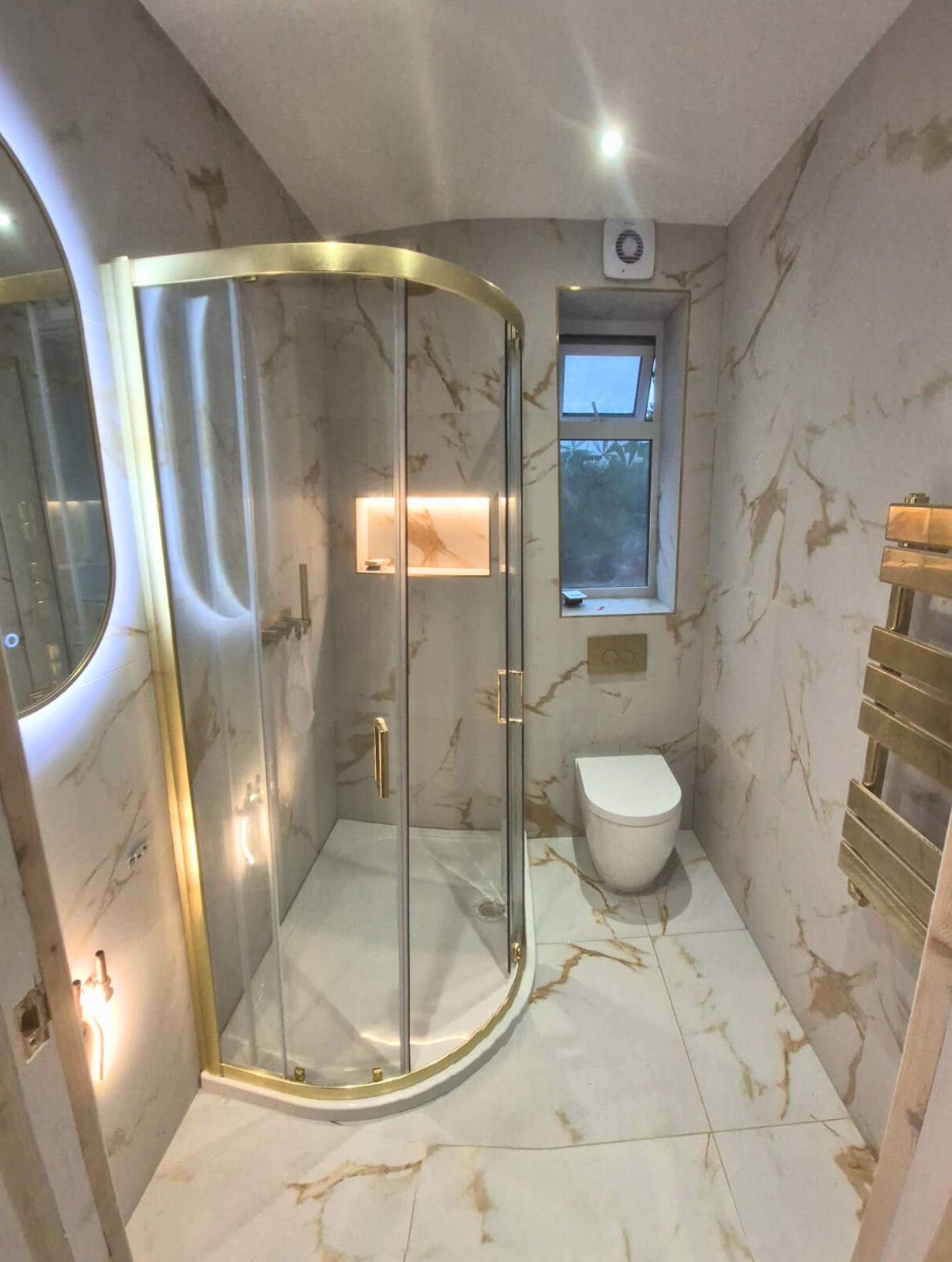
Bathroom tile ideas often start with inspiration images, but the best decisions usually come from planning the room as a whole. A tile that looks beautiful in one bathroom may feel too busy, too cold or too heavy in another. That is why tile selection works best when it is tied to the layout, light levels, shower setup and overall mood you want the room to have.
Instead of asking which tile is the most fashionable, it helps to ask a better question: what kind of bathroom am I trying to create? Once that is clear, wall tiles, floor tiles and shower finishes become much easier to choose.
Key takeaways before you choose tiles
- The strongest bathroom tile ideas usually come from one clear finish direction.
- Wall tiles, floor tiles and shower area finishes should work together, not compete.
- Tile size, grout tone and colour all affect how spacious and calm the bathroom feels.
- Small bathrooms usually benefit from less visual interruption, not more feature surfaces.
- The best tile choices balance aesthetics, practicality and the everyday use of the room.
1. Start with the overall feel you want the bathroom to have
Before comparing specific tiles, define the overall mood of the bathroom. Do you want the room to feel light and minimal, warm and textured, spa-like and calm, or more design-led with stronger contrast? The answer shapes every material choice that follows.
Bathrooms usually feel most premium when the materials support one another quietly. That often means choosing one dominant direction first, then letting secondary finishes reinforce it. A calm stone-look palette, for example, works very differently from a bathroom built around bold patterned tiles or high contrast surfaces.
If you are working with a compact room, it also helps to read Small Bathroom Design Ideas before making heavy finish decisions.
2. Think about walls, floors and shower areas as one connected scheme
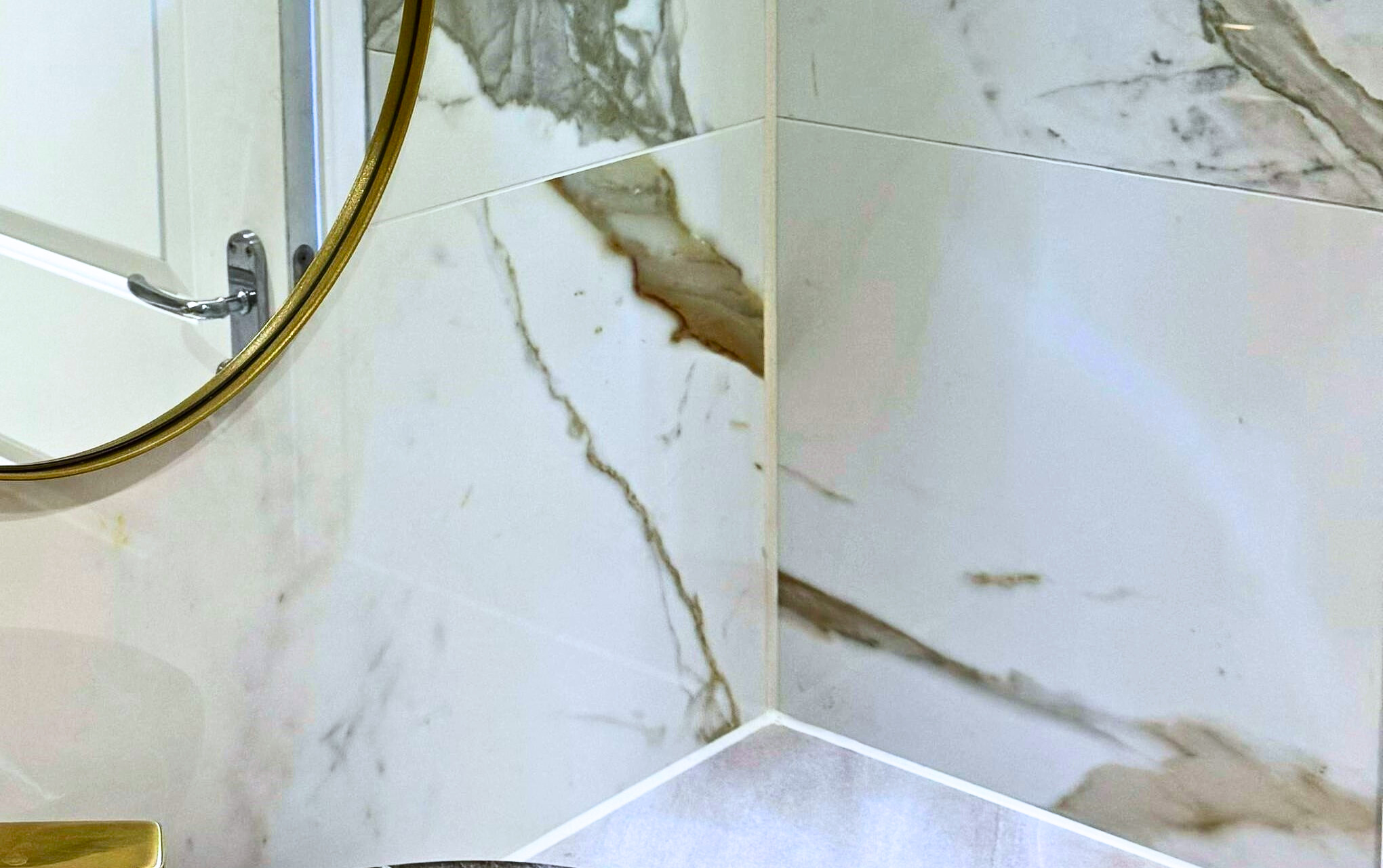
One of the most common bathroom tile mistakes is choosing wall tiles, floor tiles and shower tiles separately without checking whether they actually belong together. The final room then feels broken into too many zones.
A better approach is to think in layers. Which tile is doing the most visual work? Which surface should feel quieter? Should the shower area blend into the room or stand out more? When those questions are answered early, the scheme usually becomes much easier to control.
If you want a more technical breakdown of where different materials make sense, the next best read is How to Choose Tiles for Walls, Floors and Wet Areas.
3. Use tile size to shape visual calm
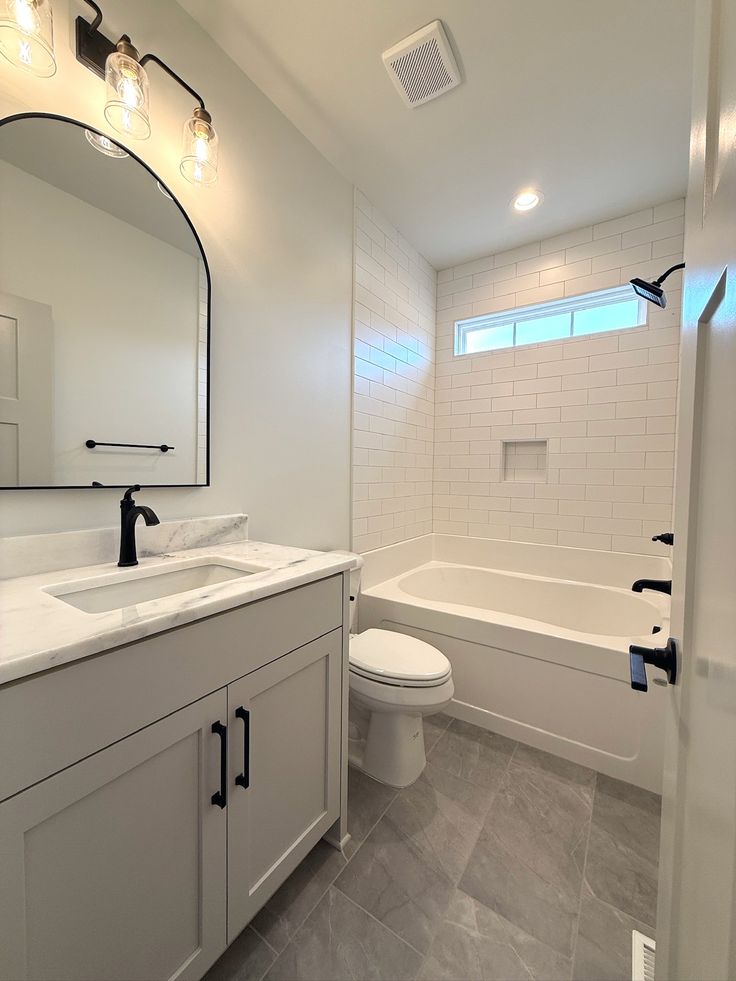
Tile size has a bigger impact on the room than many people expect. Larger tiles often create a cleaner visual flow because there are fewer grout lines interrupting the surfaces. Smaller tiles can add texture and detail, but they can also make a compact bathroom feel busier if the finish direction is already doing a lot.
That does not mean large tiles are always better. Smaller formats can work beautifully in the right setting, particularly when they are used with control and in the right quantity. The key is to choose tile scale based on the room, not just on trend.
For a direct comparison, go to Large Tiles vs Small Tiles.
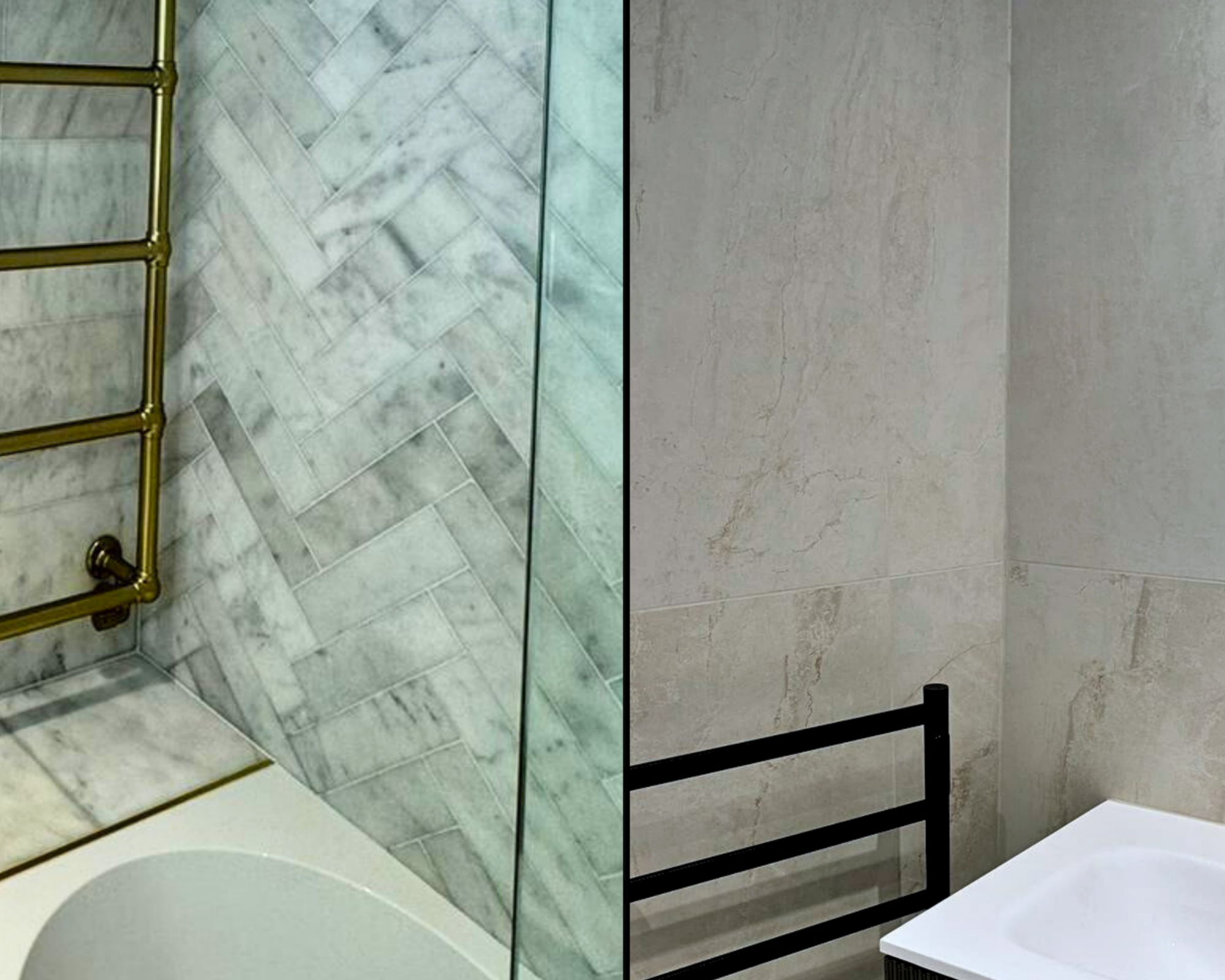
4. Use colour to support the room, not overwhelm it
Good bathroom tile ideas usually rely on colour balance rather than colour variety. In many bathrooms, especially smaller ones, a restrained palette creates a stronger final result than trying to combine too many statement tones.
Light and warm-neutral tiles often help the room feel more open and comfortable. Darker finishes can work beautifully too, but they need confidence, enough light and the right room proportions. Colour should support the atmosphere you want, not fight against the size and function of the space.
If your room is compact, continue with Best Tile Colours for a Small Bathroom. For broader colour guidance, go to Best Tile Colours for a Bathroom.
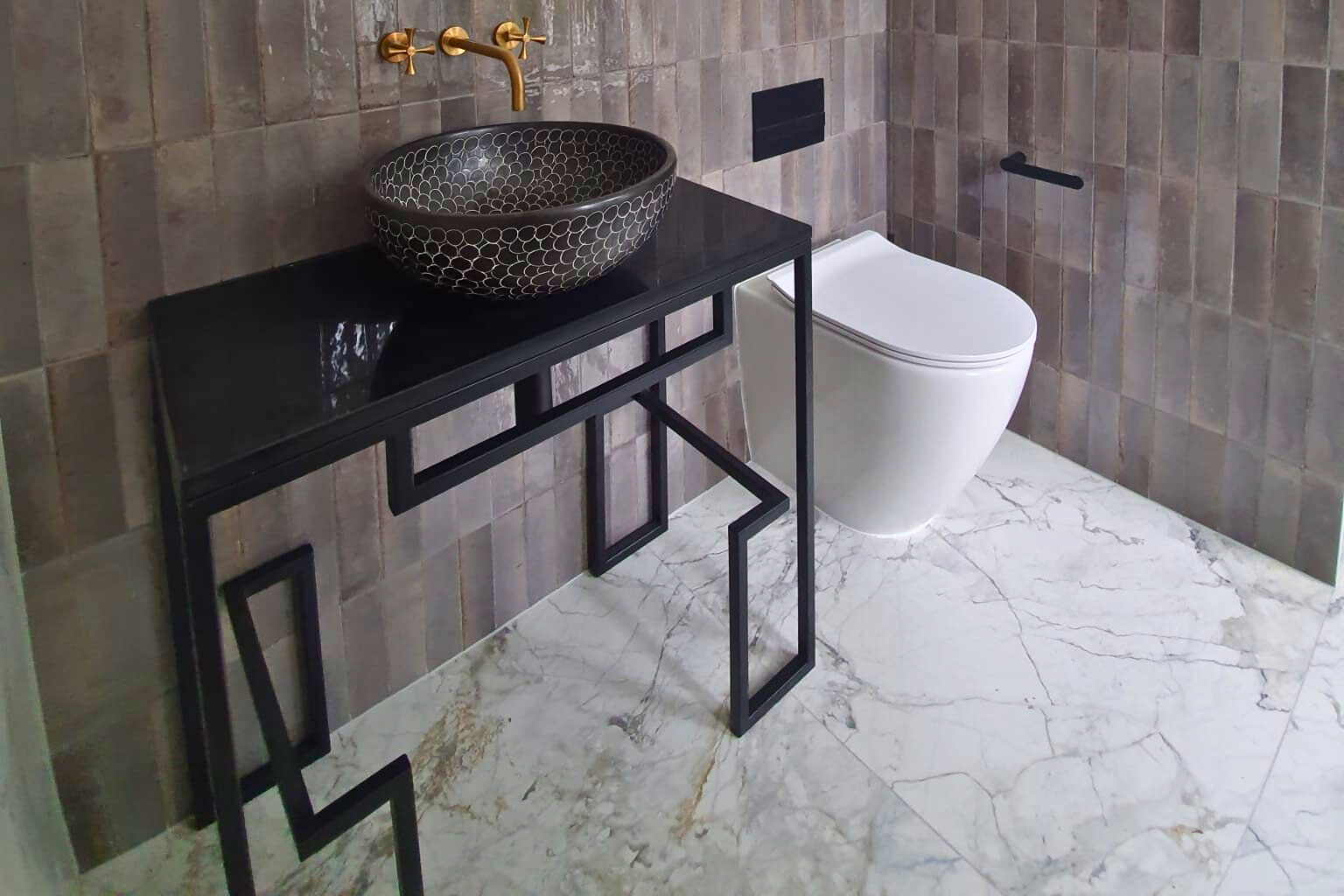
5. Grout matters more than people think
Grout is not just a technical necessity. It changes the whole read of the tiled surface. High-contrast grout can make the pattern sharper and more graphic. Tonal grout usually softens the effect and makes the bathroom feel calmer.
In a smaller bathroom, strong grout contrast can sometimes make the room feel more broken up. In other bathrooms, it can add the right amount of structure and detail. The important thing is to choose it deliberately rather than treating it as an afterthought.
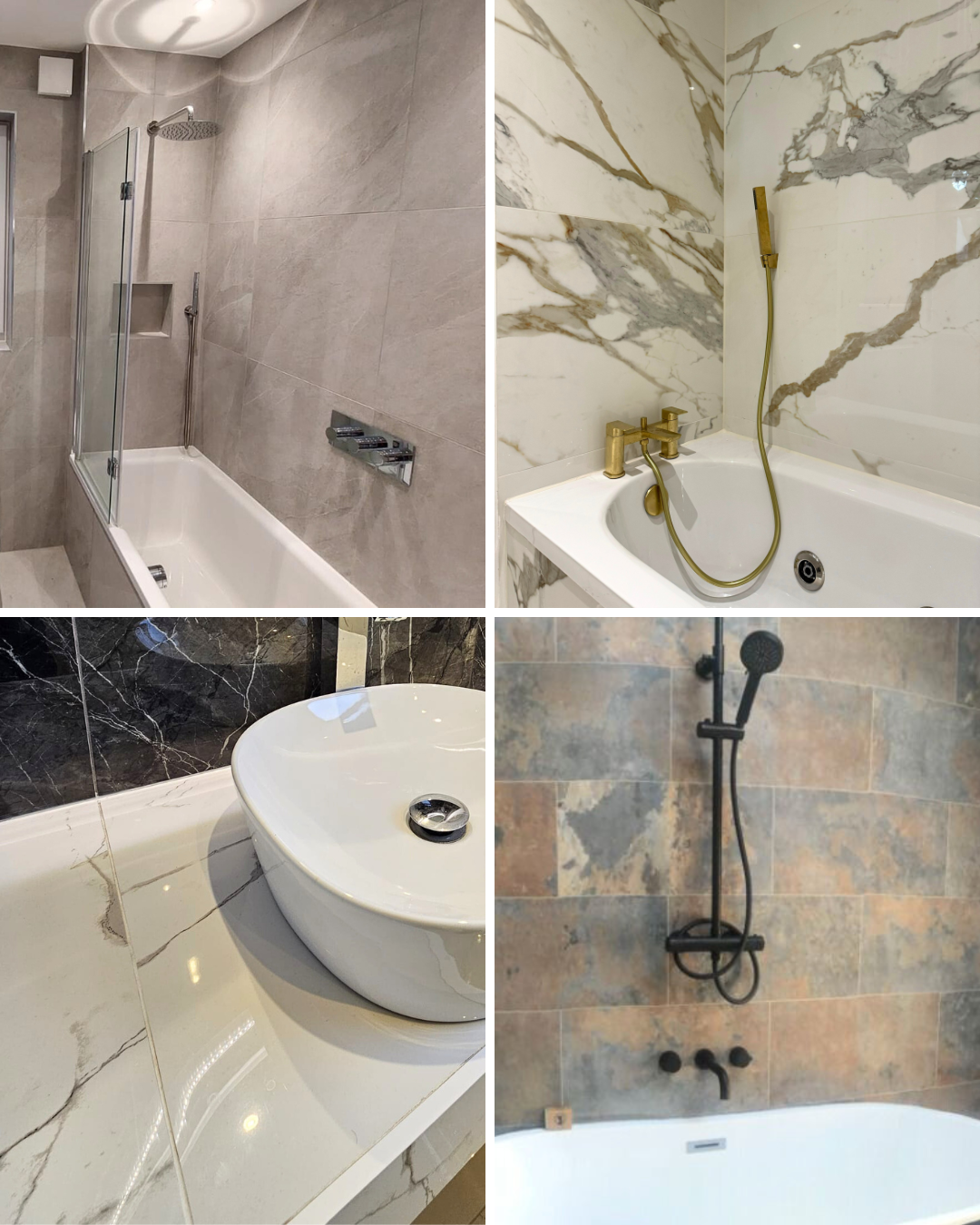
6. Keep feature tiles under control
A feature tile can work beautifully in a bathroom, but only when the room has a clear hierarchy. If everything is trying to be the focal point, nothing feels calm. Feature areas usually work best when they are limited and supported by quieter surrounding finishes.
In many bathrooms, especially smaller ones, one carefully chosen point of interest is enough. That might be a shower wall, a niche back panel or a vanity zone. Once that is decided, the rest of the finishes should make it easier for that feature to breathe.
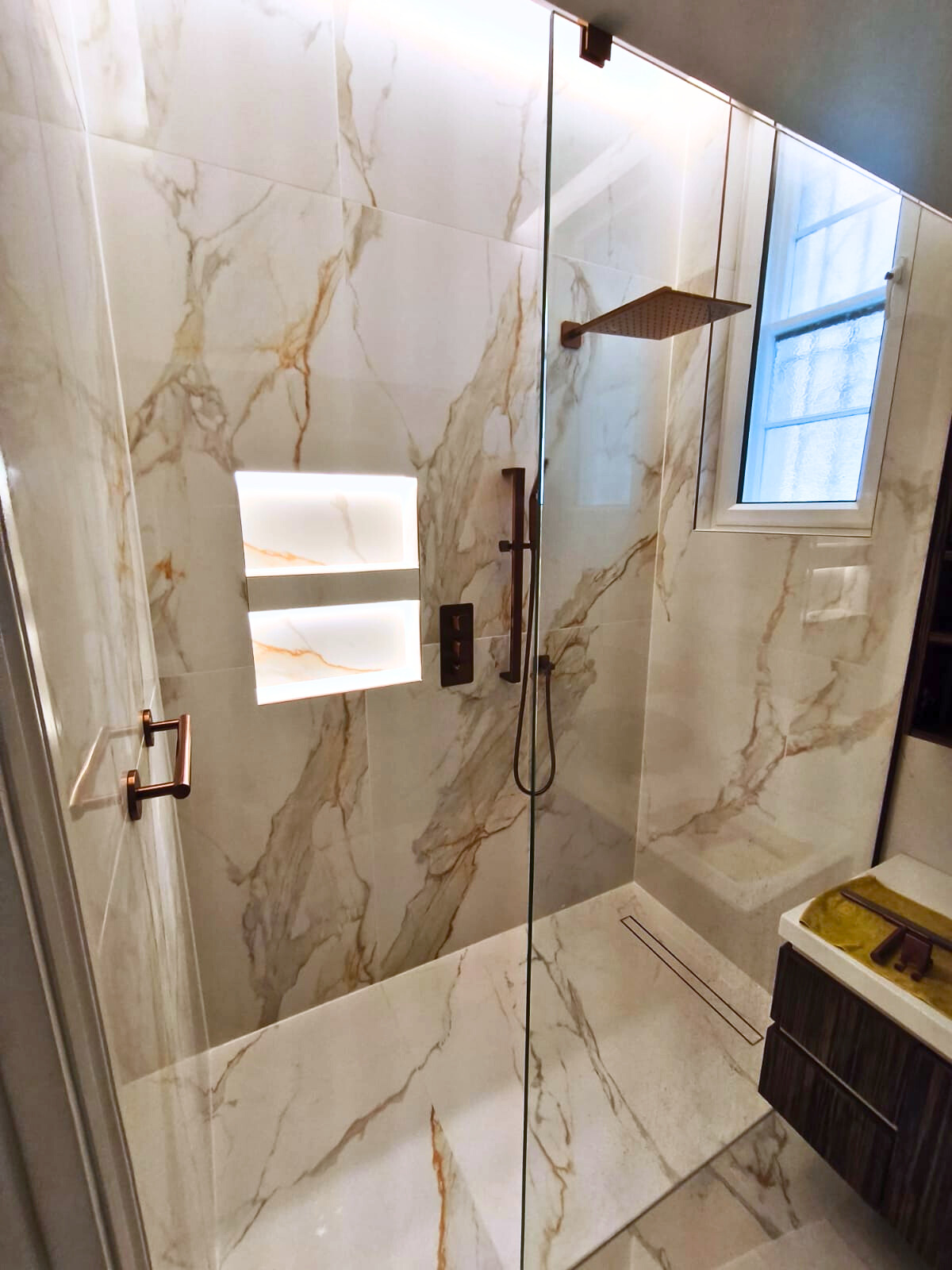
7. Match the finish direction to the shower setup
The shower area often becomes the most visually dominant part of the room, so the tile strategy needs to work with the chosen setup. A walk-in shower usually benefits from a cleaner, more integrated finish approach, while a more enclosed shower may tolerate stronger contrast a little better because it is more visually contained.
If the bathroom is built around a shower, the tile decisions should help the shower feel like a natural part of the room, not a separate design theme dropped in afterwards.
For that decision path, read How to Design a Small Bathroom With a Shower and Bath, Shower or Wet Room?.
8. Choose materials that still work in real life
The best bathroom tile ideas always balance visual appeal with practical use. The room still needs to cope with moisture, regular cleaning, water splash, grout maintenance and day-to-day wear. A finish that looks impressive in a showroom but becomes difficult to live with may not be the right choice.
This is where material honesty matters. Matte finishes, gloss finishes, textured porcelain, stone-look surfaces and wood-effect materials all create different moods, but they also behave differently in use. The right answer depends on the room, the user and the level of upkeep you are comfortable with.
Two useful follow-up reads here are Matte vs Gloss Bathroom Tiles and Can You Use Wood in a Bathroom?.
Common mistakes when choosing bathroom tiles
- Choosing wall, floor and shower tiles separately with no overall finish direction.
- Using too many tile formats or feature zones in one room.
- Ignoring how grout tone changes the final visual effect.
- Using strong contrast in a small bathroom without checking how it affects visual calm.
- Picking tiles based only on trend rather than on layout, light and daily use.
- Forgetting that the shower area often needs the most careful finish planning of all.
Need clearer next steps for your bathroom finishes?
Answer a few quick questions about your style, layout and priorities to get a free bathroom planning report with more tailored guidance.
Get Your Free Bathroom Planning ReportRelated planning guides
Smarter bathroom planning, design inspiration and fitting guidance for London homeowners.
© Copyright 2026 Bathroom Converter. All rights reserved