2 March slots left • April diary now open
Wet Room vs Shower Room: What Is the Real Difference?
Wet rooms and shower rooms are often spoken about as if they are the same thing, but they are not. Both are shower-led bathroom setups, yet they differ in openness, waterproofing requirements, visual feel and how much technical planning they need. The right option depends on the room, the budget, the layout and the kind of bathroom experience you actually want.
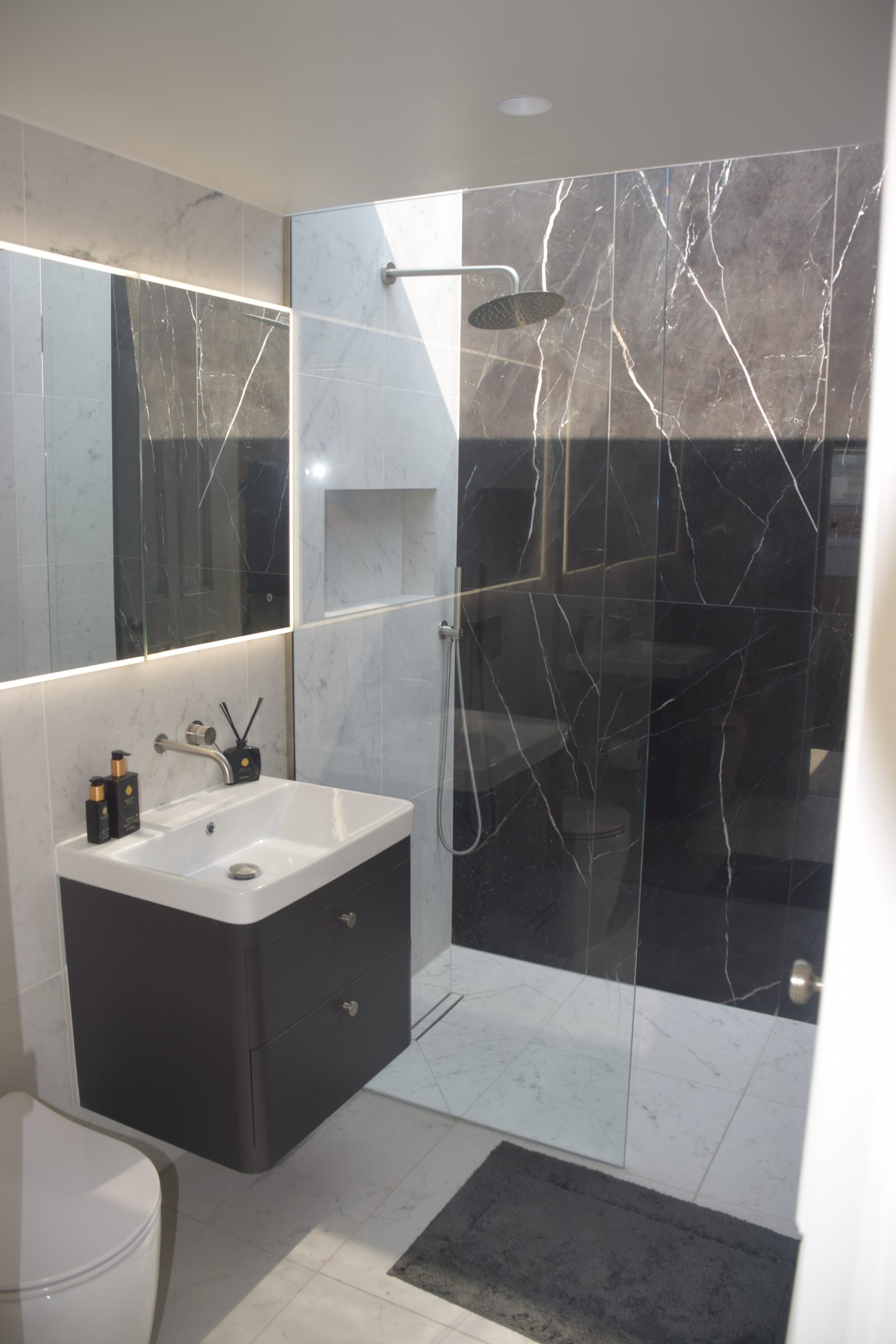
A shower room usually means a bathroom with a defined shower area, often separated by glass, enclosure elements or a more clearly contained zone. A wet room is more open. It is designed so the room itself can handle water properly, with the shower area flowing more directly into the wider bathroom rather than feeling like a contained unit.
That difference changes more than appearance. It affects drainage, waterproofing, layout freedom, cleaning, visual openness and whether the room feels like the right fit for the way you want to live. Some bathrooms suit a wet room beautifully. Others work much better as a more conventional shower room.
Key takeaways before deciding
- A shower room usually has a more clearly defined shower zone.
- A wet room is more open and relies more heavily on full waterproofing and drainage planning.
- Wet rooms can feel more spacious and premium, but they are not automatically the better choice.
- Shower rooms often suit more layouts because they are easier to contain and plan.
- The right choice depends on openness, practicality, budget and technical feasibility.
1. A shower room is usually more contained
In a shower room, the shower area is still part of the bathroom, but it is usually more clearly defined. That might mean a glass screen, a tray or a contained wet zone that visually reads as a separate part of the room. This often makes the setup easier to understand, easier to control and more straightforward to plan.
For many homes, this containment is a strength. It keeps the shower area practical while still allowing the room to feel modern and well designed. In smaller or more standard bathrooms, that can be a very effective balance.
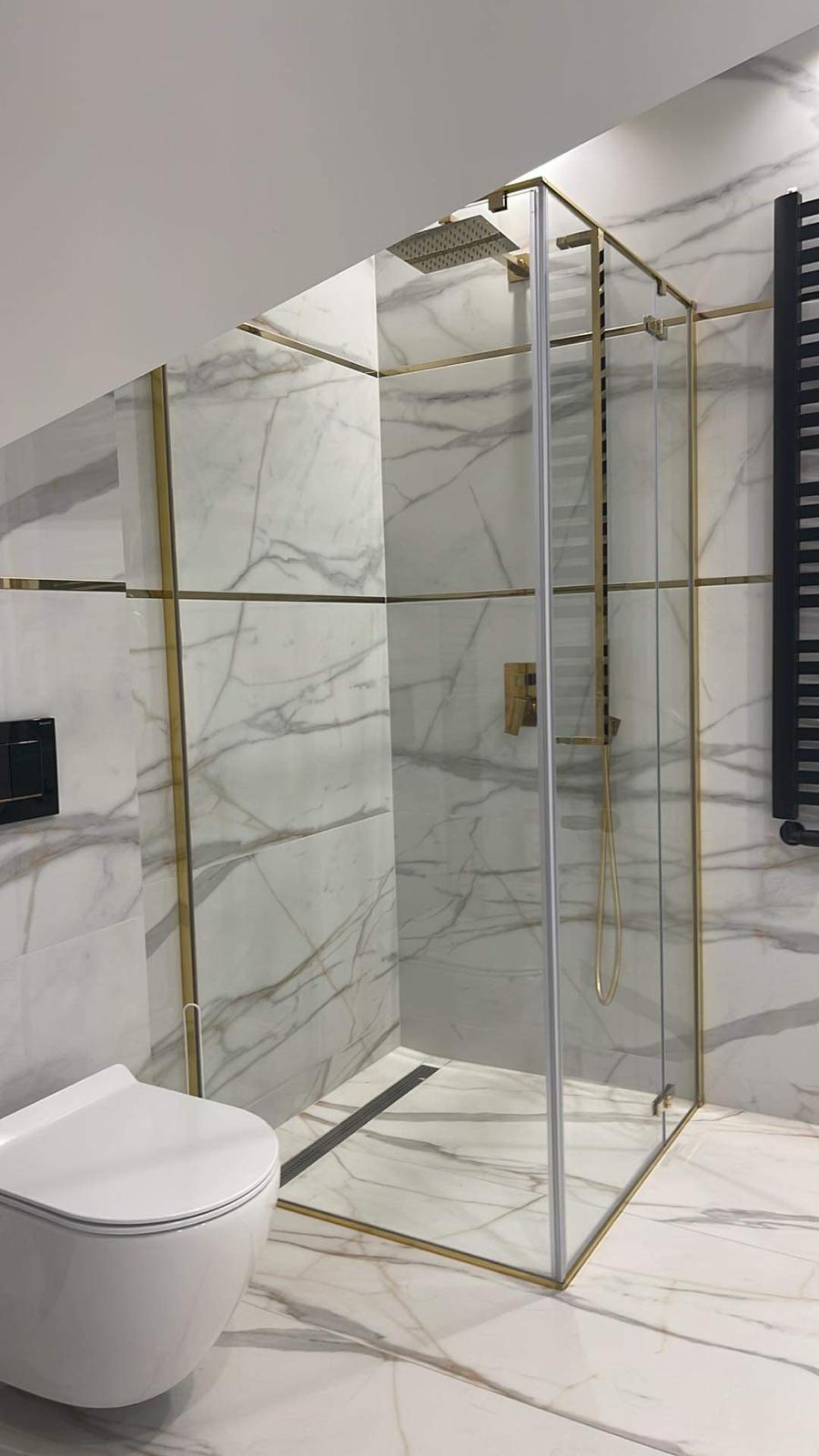
2. A wet room is usually more open and integrated
A wet room feels more architectural and open because the shower area is less visually separated from the rest of the room. The floor is typically designed to manage water properly, and the space often feels more continuous as a result. That can make the bathroom feel calmer, cleaner and more premium when done well.
This is one reason wet rooms are so appealing in design-led projects. They can create a stronger sense of openness and simplicity. But that openness also means the room needs the right technical planning underneath.
If you want to explore the broader wet room decision, continue with Is a Wet Room Worth It for Your Home?.
3. The technical difference matters more than many people realise
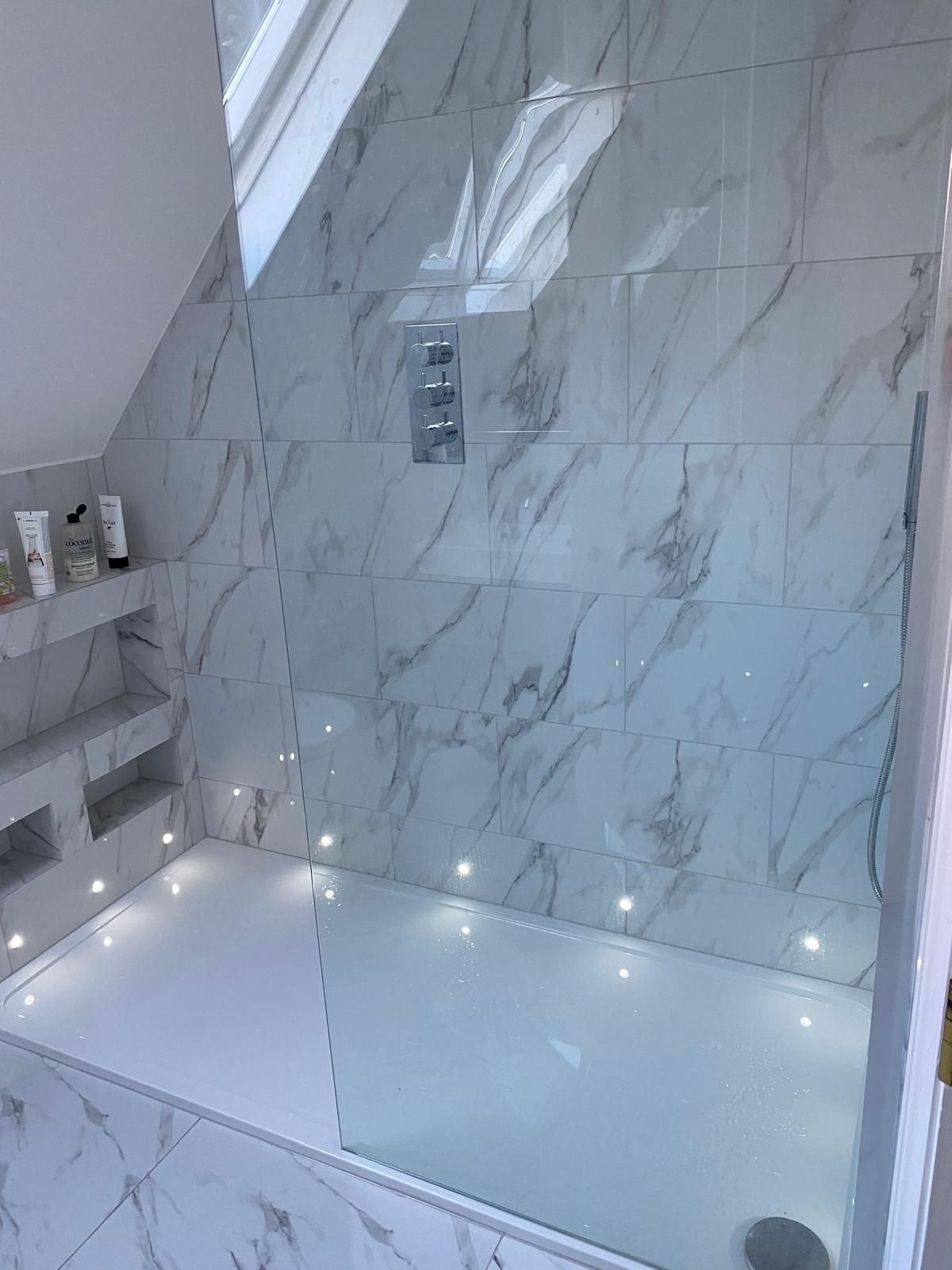
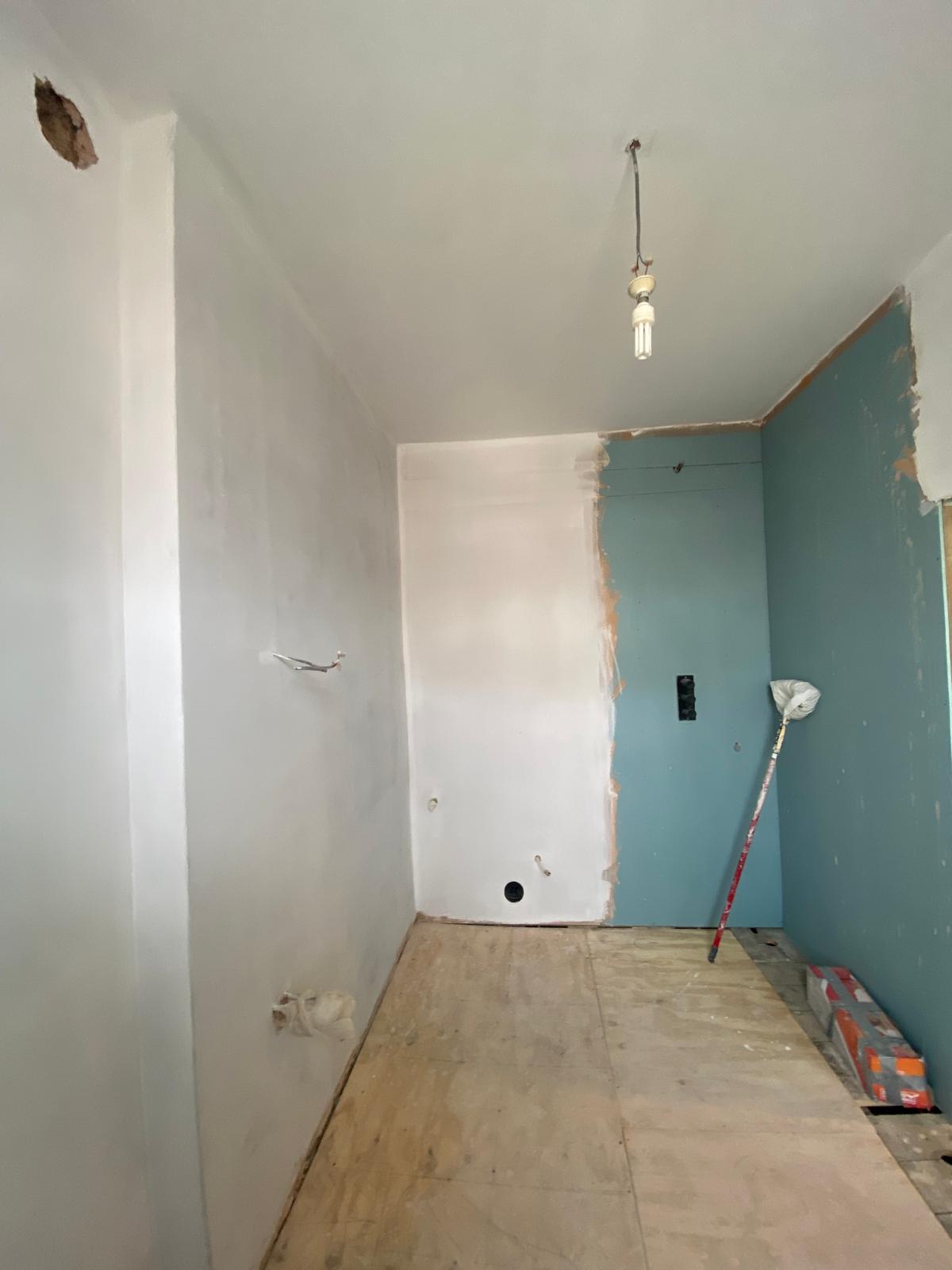
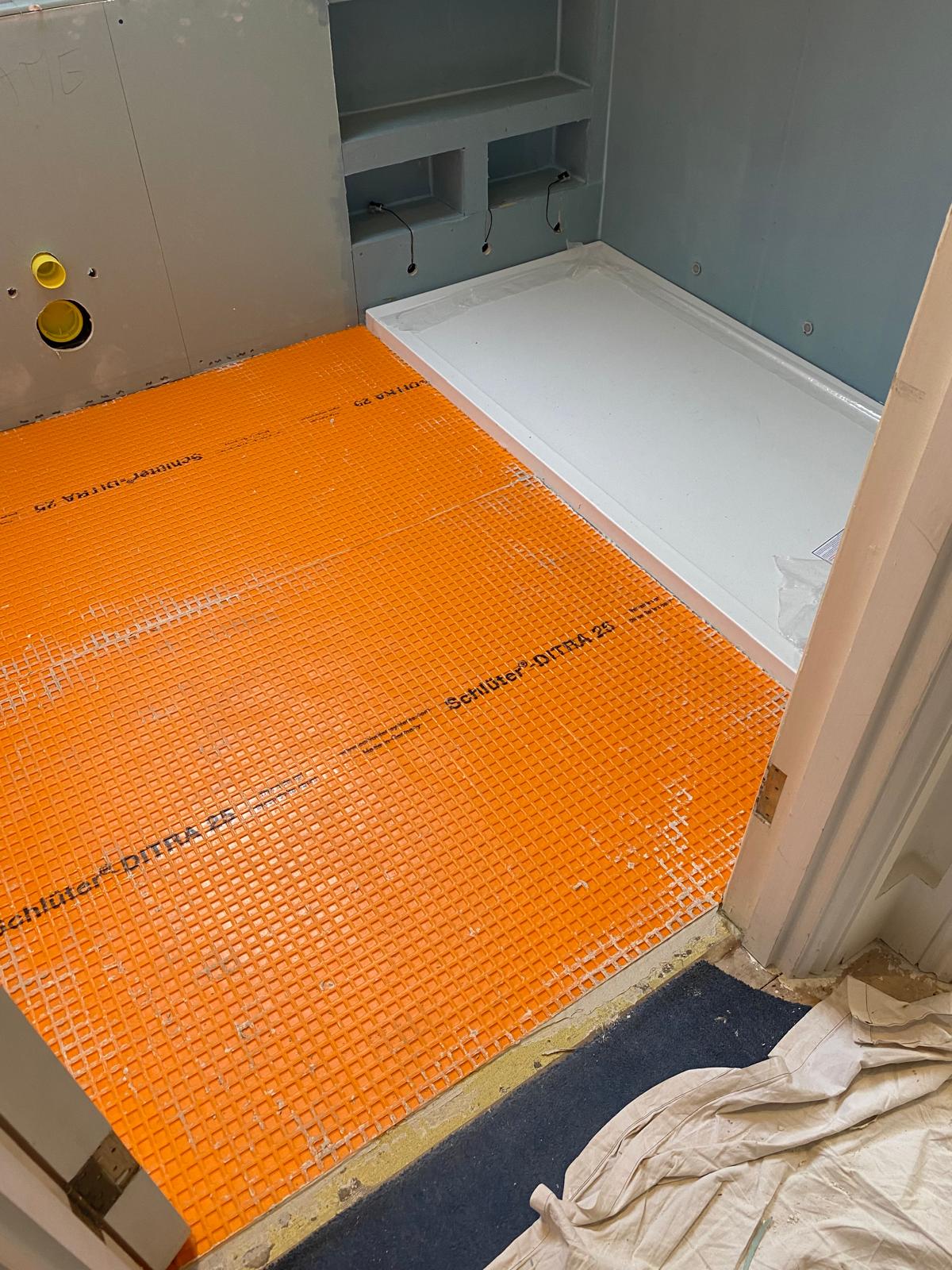
This is where the distinction becomes important. A shower room may still need excellent waterproofing, but a wet room usually depends on a more complete wet-zone strategy across the floor and surrounding details. Drainage, falls, waterproofing and shower detailing all become more critical because the room is handling water in a more open way.
In other words, a wet room is not just a visual style. It is a technical decision as much as a design one. That does not make it a bad choice. It just means it needs the right room and the right planning to work well.
For that side of the decision, read Bathroom Waterproofing: What Needs Thinking About Early?.
4. Wet rooms often feel more premium, but not always more practical
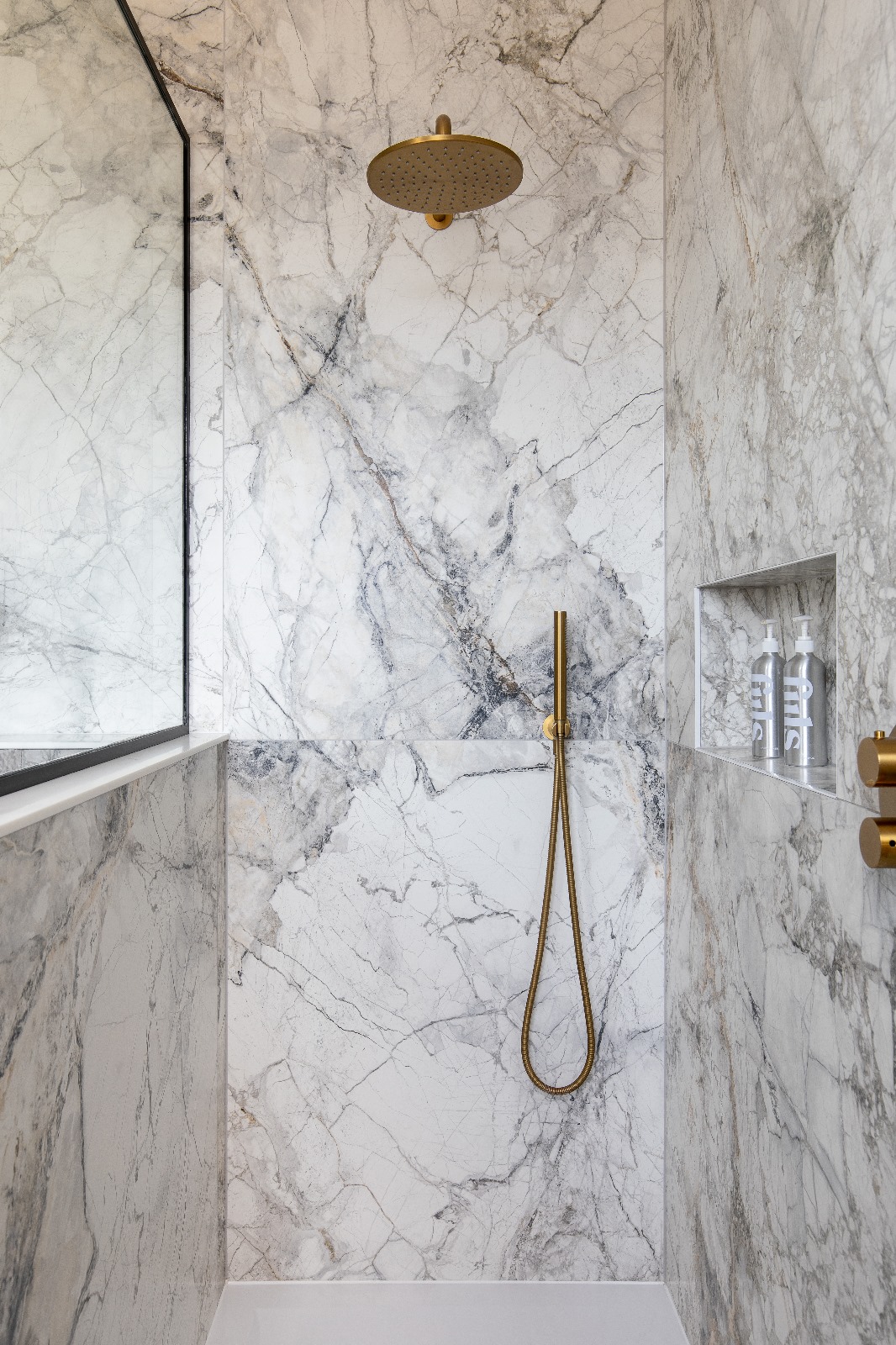
A well-executed wet room can feel very refined. The openness, cleaner lines and more integrated shower area often create a high-end effect that many homeowners love. In the right bathroom, it can feel lighter and more elegant than a more enclosed shower setup.
But premium appearance is not the only test. Some households may still find that a shower room is easier to manage day to day, especially where splash containment, cleaning pattern or layout control matter more than openness for its own sake.
5. Shower rooms are often easier to fit into more standard layouts
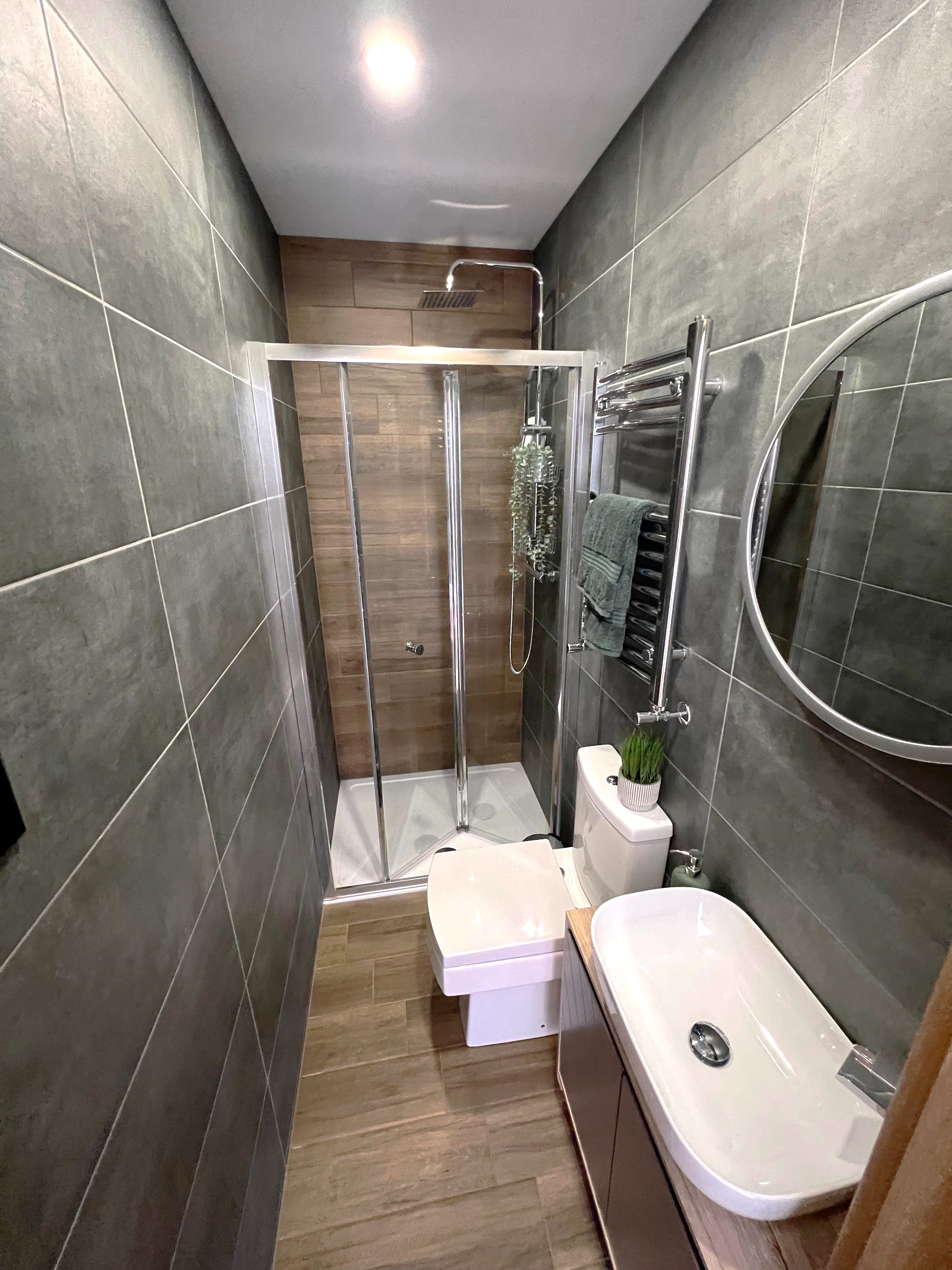
One of the big strengths of a shower room is flexibility. Because the shower zone is more defined, it often fits more naturally into everyday bathroom layouts. This can make it easier to work around vanity units, WCs, towel rails and circulation space without making the room feel overcomplicated.
That is why shower rooms are often the safer option when the room is not especially generous or when the layout still needs stronger visual control.
For compact layouts specifically, see How to Design a Small Bathroom With a Shower.
6. Wet rooms can be excellent for access and cleaner movement
One reason wet rooms are often considered is accessibility. The more open floor and reduced threshold can create a simpler and more direct experience moving through the bathroom. In the right home, that can be a major advantage.
That said, accessibility alone does not automatically mean a wet room is the best answer. The room still has to function well as a whole. The openness must feel helpful rather than awkward, and the technical setup has to support the intended use properly.
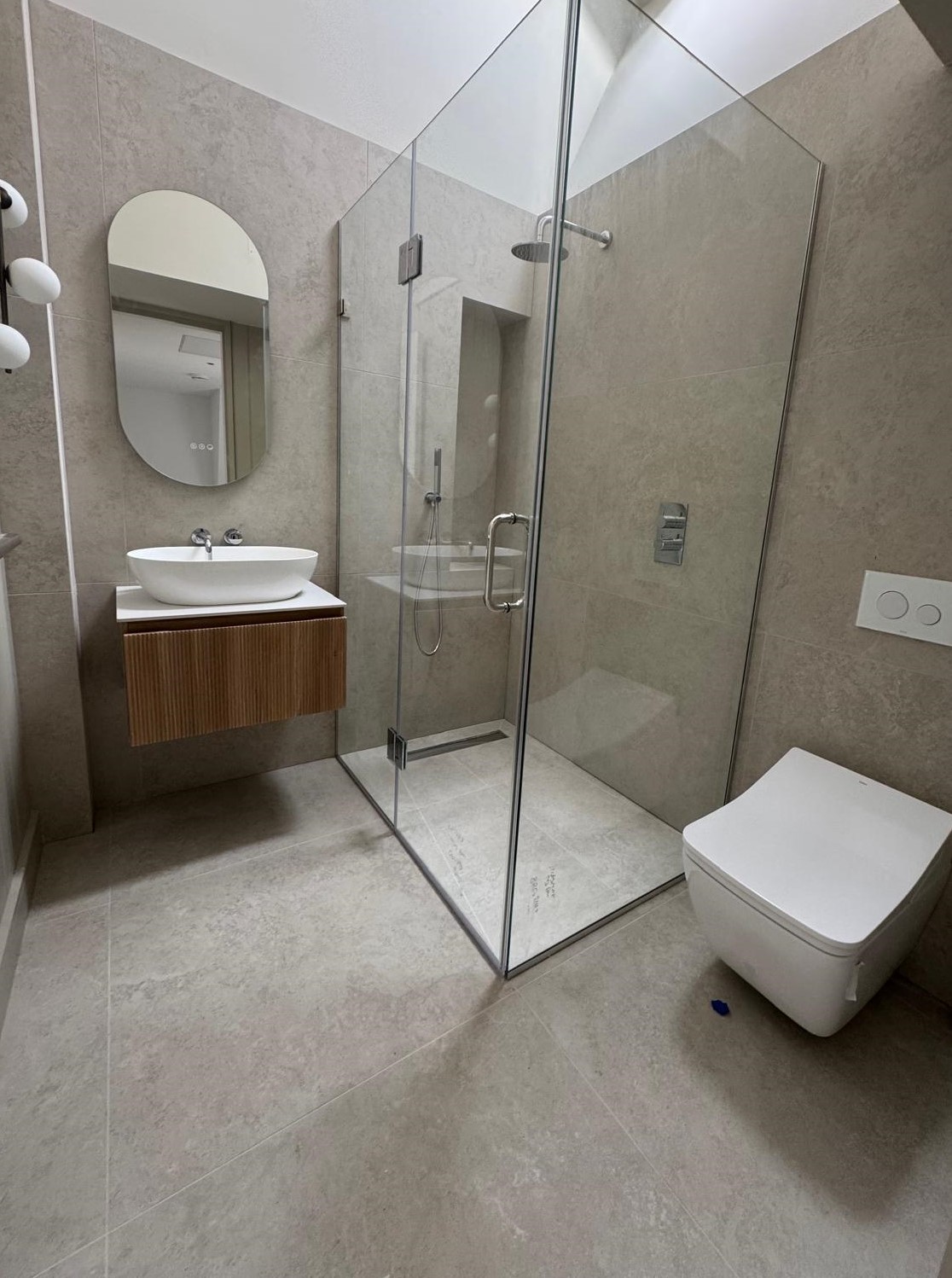
7. The visual effect is different even when the room size stays the same
A wet room and a shower room can occupy similar square footage, but they do not usually feel the same. A wet room often reads as one cleaner spatial gesture because there are fewer visible interruptions. A shower room can still feel open, but it usually has more definition between the shower and the rest of the bathroom.
Which one feels better depends on the room and the design goal. If you want a more open, seamless effect, a wet room may be very appealing. If you want more visual structure and clearer zoning, a shower room may be stronger.
8. Cleaning and day-to-day maintenance can feel different too
Some people assume a wet room is automatically easier to clean because it feels simpler. Sometimes that is true, especially when the detailing is strong and the room is well planned. But because the water handling is more open, the wider bathroom may need more awareness in use.
A shower room, by contrast, often contains water more directly. That can make the practical day-to-day routine feel more predictable in some homes. The right answer depends on how you want the bathroom to behave, not just how you want it to look.
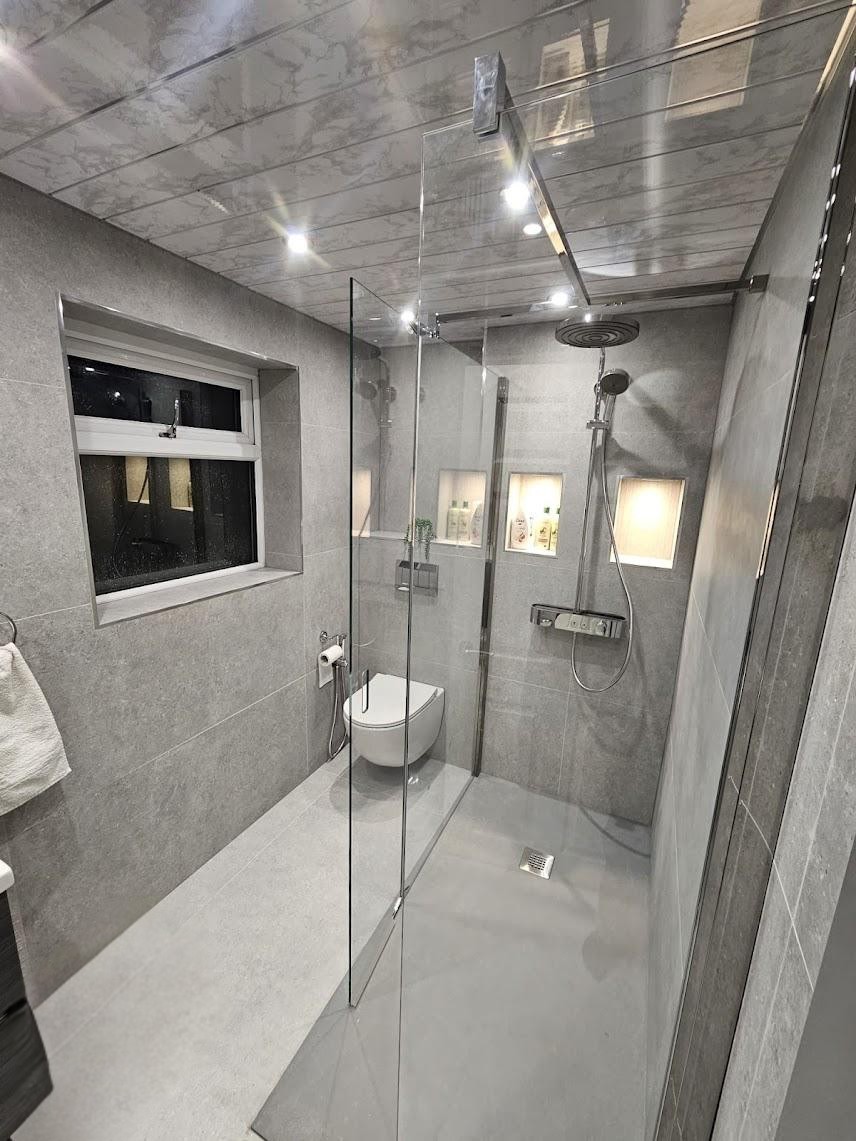
9. The best option is the one that makes the room more successful overall
This is the most useful test. Does the room become more open, easier to use and better resolved with a wet room? Or does it become better planned, easier to contain and more practical as a shower room? The answer depends on what the bathroom is trying to achieve.
A shower room is often the more adaptable choice. A wet room can be the more striking and open choice. Neither is automatically right. The success of the room should decide.
Wet room vs shower room at a glance
- Wet room is usually best for: openness, seamless feel, strong design-led bathrooms and some accessibility-focused layouts.
- Shower room is usually best for: clearer zoning, easier containment, wider layout flexibility and simpler everyday practicality.
- Wet room can be weaker when: the room does not support the openness well or the technical planning is not strong enough.
- Shower room can be weaker when: the room wants a more seamless premium effect than the contained layout can deliver.
Common mistakes when choosing between a wet room and a shower room
- Choosing a wet room for the look without checking whether the room suits it technically.
- Assuming a shower room is automatically less premium than a wet room.
- Ignoring drainage and waterproofing implications too early in the process.
- Focusing only on style and not enough on day-to-day use.
- Choosing openness or containment without checking how the full bathroom layout benefits.
Need help deciding which shower-led setup suits your bathroom best?
Answer a few quick questions about your space, routine and priorities to get a free bathroom planning report with more tailored guidance.
Get Your Free Bathroom Planning ReportRelated planning guides
Smarter bathroom planning, design inspiration and fitting guidance for London homeowners.
© Copyright 2026 Bathroom Converter. All rights reserved