2 March slots left • April diary now open
Bathroom Lighting Ideas: What to Plan Before the Electrician Arrives
Good bathroom lighting should do more than make the room bright. It should support the morning routine, flatter the finishes, improve comfort and help the bathroom feel calmer at every hour of the day. The best results usually come from planning lighting early, before mirrors, tiles and final feature positions are locked in.
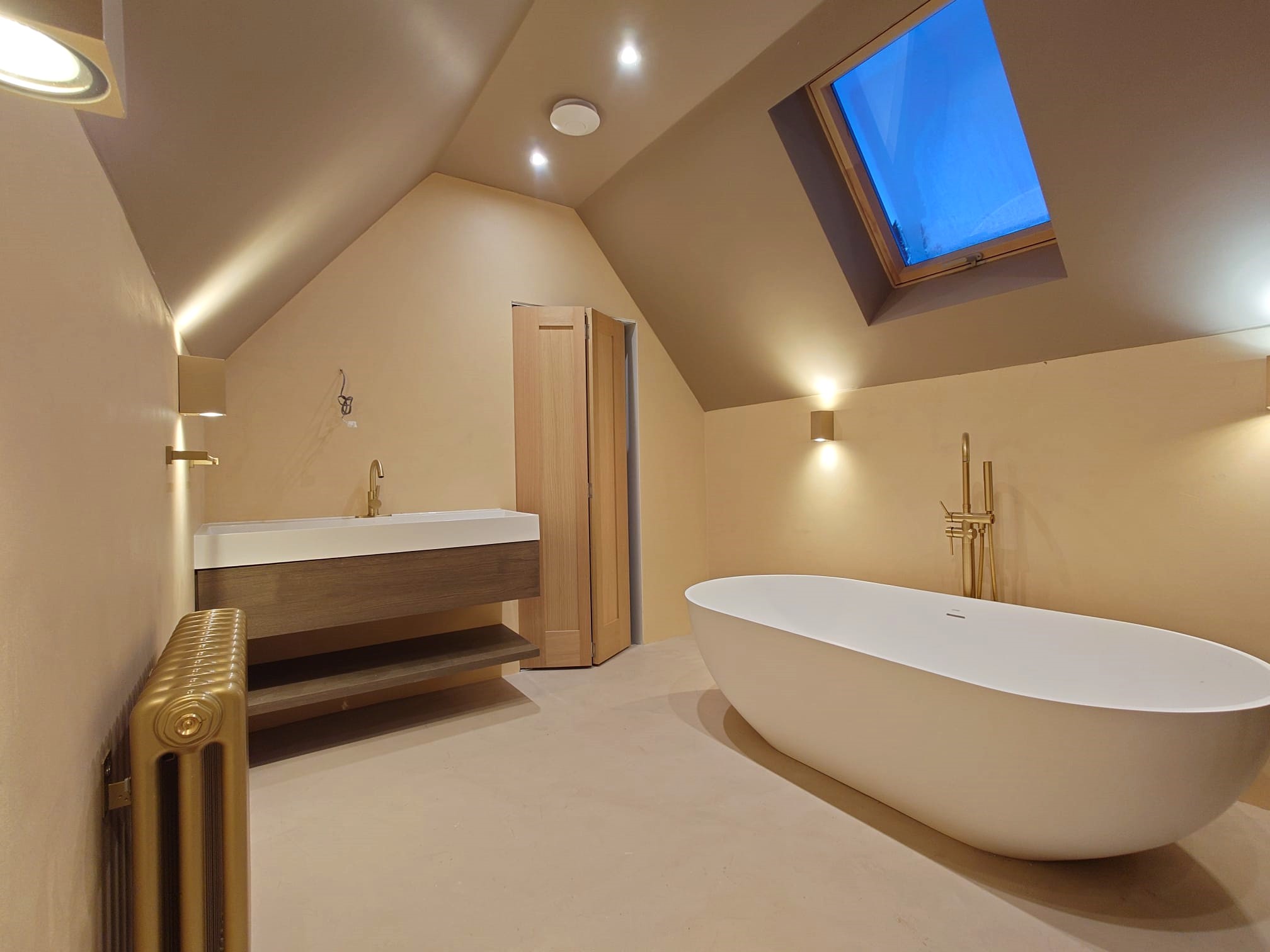
Bathroom lighting is often treated as a finishing touch, when in reality it is one of the decisions that shapes the room most. A bathroom can have beautiful tiles, a strong vanity and a well-planned shower, yet still feel underwhelming if the light is flat, too harsh or badly positioned.
The goal is not just to add more fittings. The goal is to create the right layers of light for how the room is actually used. That means thinking about mirror lighting, ceiling lighting, softer ambient support and the relationship between light, materials and layout before first-fix decisions are finalised.
Key takeaways before planning bathroom lighting
- One ceiling light is rarely enough for a well-resolved bathroom.
- Mirror lighting and task lighting usually matter more than people expect.
- Lighting should be planned alongside mirrors, vanity position and shower layout.
- Layered lighting creates a more premium and practical result than a single bright source.
- The best lighting decisions are usually made before the electrician arrives, not after tiling starts.
1. Start by thinking about how the bathroom is used at different times
A bathroom serves more than one purpose. It may need bright practical light in the morning, flattering mirror light for grooming, softer light in the evening and enough overall balance that the room never feels gloomy or clinical. Good bathroom lighting ideas begin with understanding those moments, not with choosing fittings in isolation.
The best lighting plans usually support the full routine of the room. That means thinking about visibility, comfort and atmosphere together rather than trying to solve everything with one strong overhead light.
2. Layered lighting usually works better than one central fitting
One of the most common bathroom lighting mistakes is relying on a single central ceiling light to do everything. It may technically illuminate the room, but it rarely creates depth, comfort or a premium feel. It also tends to cast shadows where better visibility is needed most, particularly around the mirror.
A better approach is layered lighting. In simple terms, that means separating the roles of lighting: one layer for overall illumination, one for mirror or task lighting, and where appropriate one for softer mood or accent support. That balance usually makes the room feel more resolved immediately.
If the bathroom is compact, this also ties closely into Small Bathroom Design Ideas.
3. Mirror lighting is often the most important layer of all
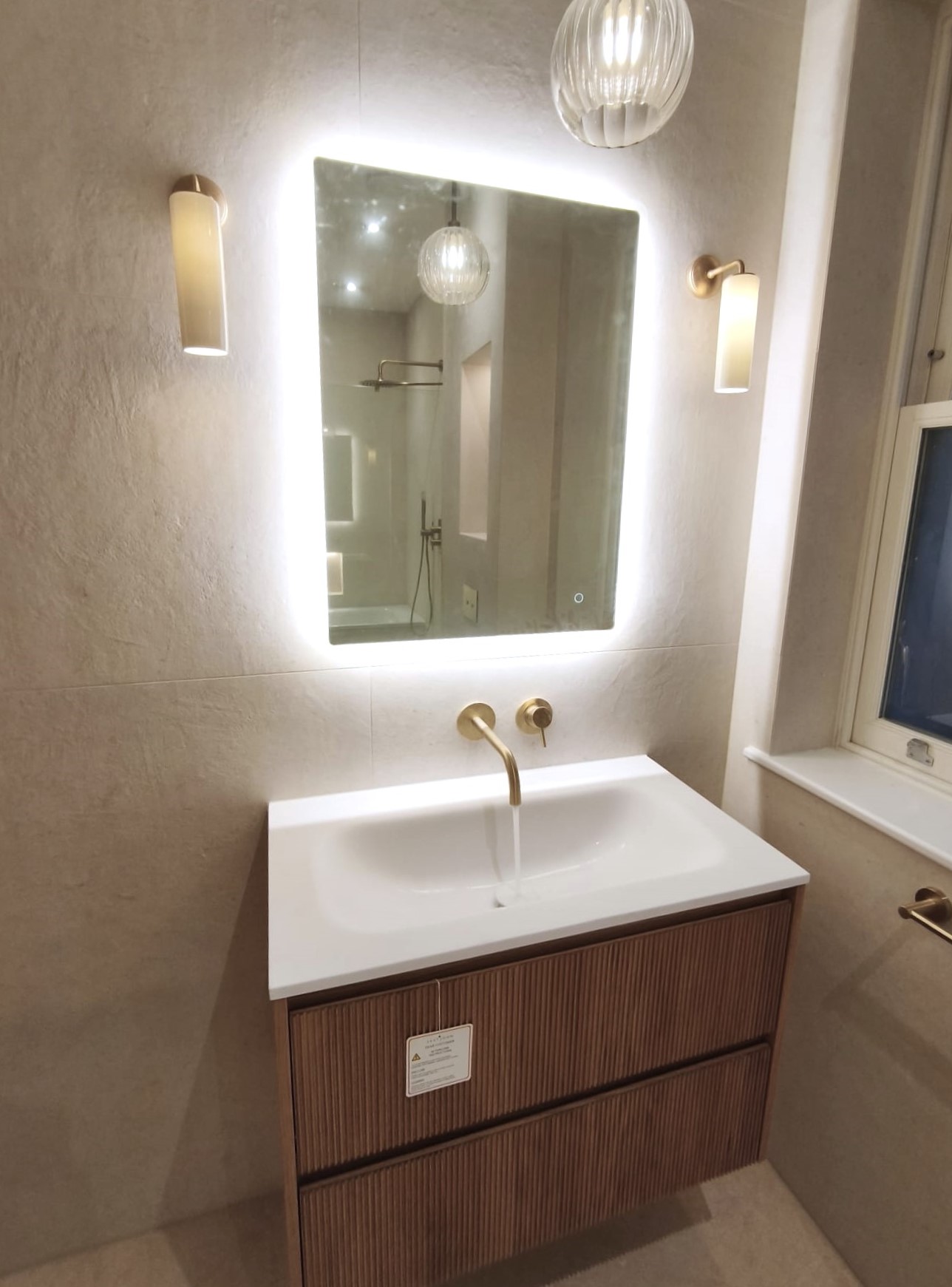
In many bathrooms, the mirror zone is where lighting matters most. That is the area used for washing, grooming, skincare, makeup, shaving and general daily routine. If the mirror area is poorly lit, the bathroom can feel frustrating even if the rest of the room looks good.
The strongest results often come from mirror lighting that feels even and flattering rather than harsh or overly directional. This may come from integrated mirror lighting, wall lights placed thoughtfully or a more considered combination of both.
For that specific part of the room, the next best read is Mirror Lighting Ideas for a Better Bathroom Routine.
4. Ceiling lighting should support the room, not dominate it
Ceiling lighting still matters, but its job should usually be to give the room a clean overall base rather than to shout. In many bathrooms, a softer and better-positioned ceiling plan feels much stronger than one aggressively bright point source.
This is especially important where the room already has reflective tiles, lighter finishes or lots of hard surfaces. Overly intense ceiling light can flatten the space and make it feel colder than it needs to.
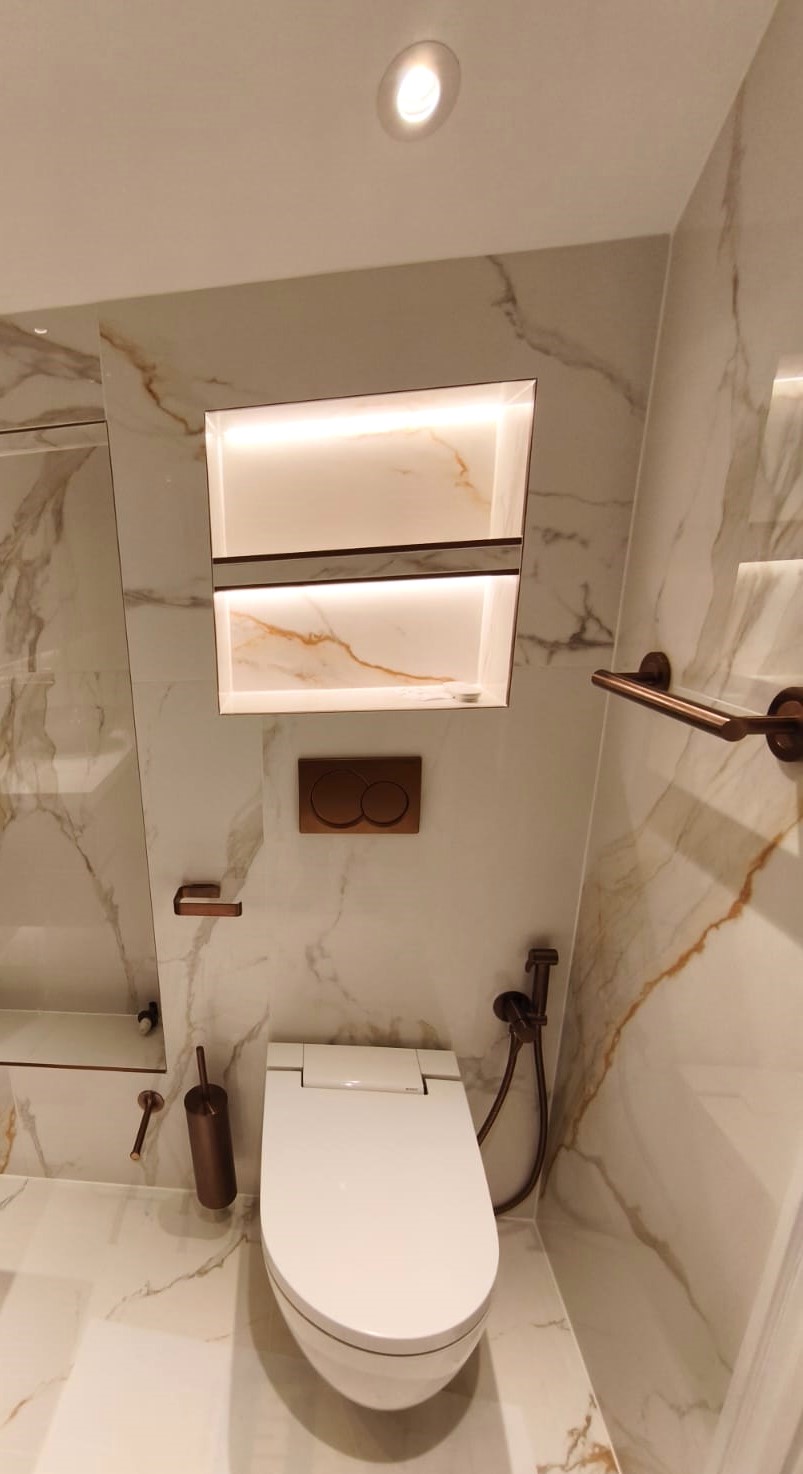
5. Bathroom lighting should work with the materials, not against them
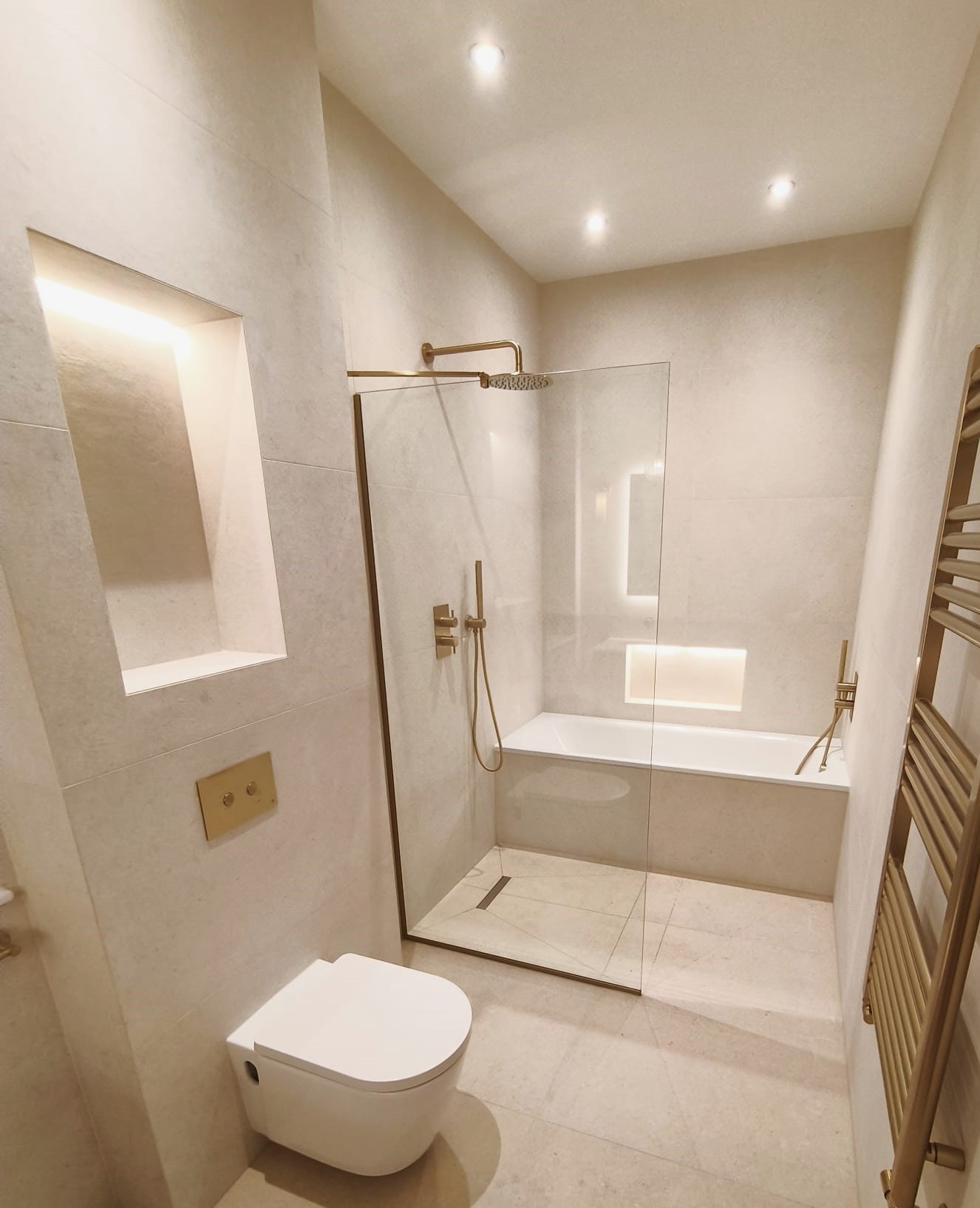
Lighting changes how tiles, stone-look surfaces, timber tones, brass details and paint colours are perceived. A bathroom that feels warm and balanced in daylight can look flat or overly stark under the wrong artificial light. That is why bathroom lighting ideas should always be considered alongside the finish palette.
Warm neutral tiles, textured finishes and softer palettes often respond especially well to lighting that feels gentle and controlled. On the other hand, a harder or colder lighting setup can make otherwise beautiful finishes feel more clinical.
This is one reason lighting and finish planning should stay connected. For the finish side, continue with Bathroom Tile Ideas and Tiles & Finishes.
6. Think about the shower and bath areas too
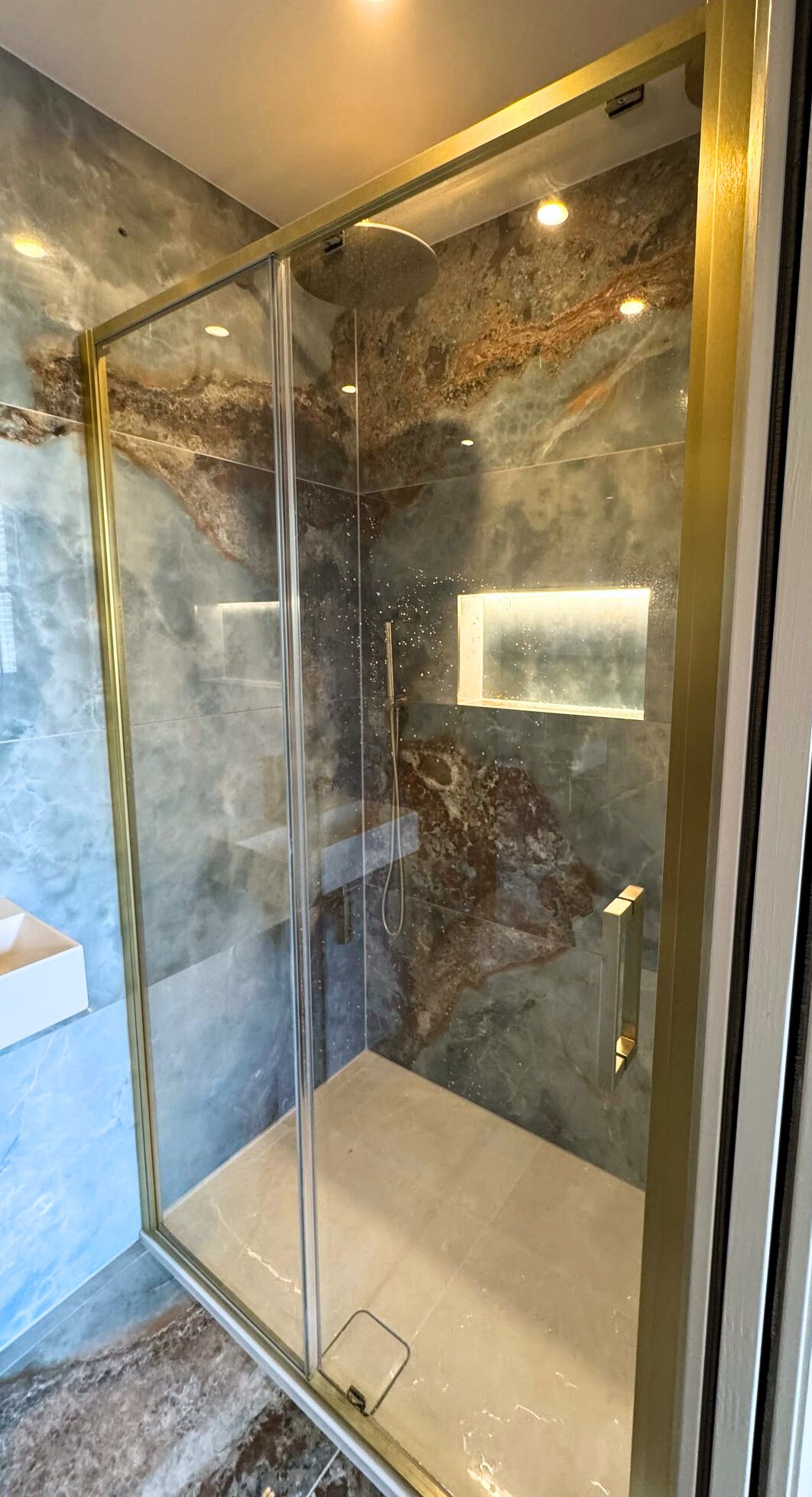
Good bathroom lighting is not only about the mirror. The shower and bath zones also affect how the room feels. A shower area that is too dark can feel enclosed. A bath zone with no softer light support can lose much of the comfort people want from it. In more design-led bathrooms, lighting is often used subtly to help these zones feel more considered.
The right approach depends on the room and setup. Shower-led bathrooms often benefit from cleaner, brighter spatial definition, while bath-led bathrooms may benefit from softer support that enhances the mood of the room.
If the setup decision is still not final, compare Bath vs Shower and Bath, Shower or Wet Room?.
7. Plan lighting positions before other details force compromises
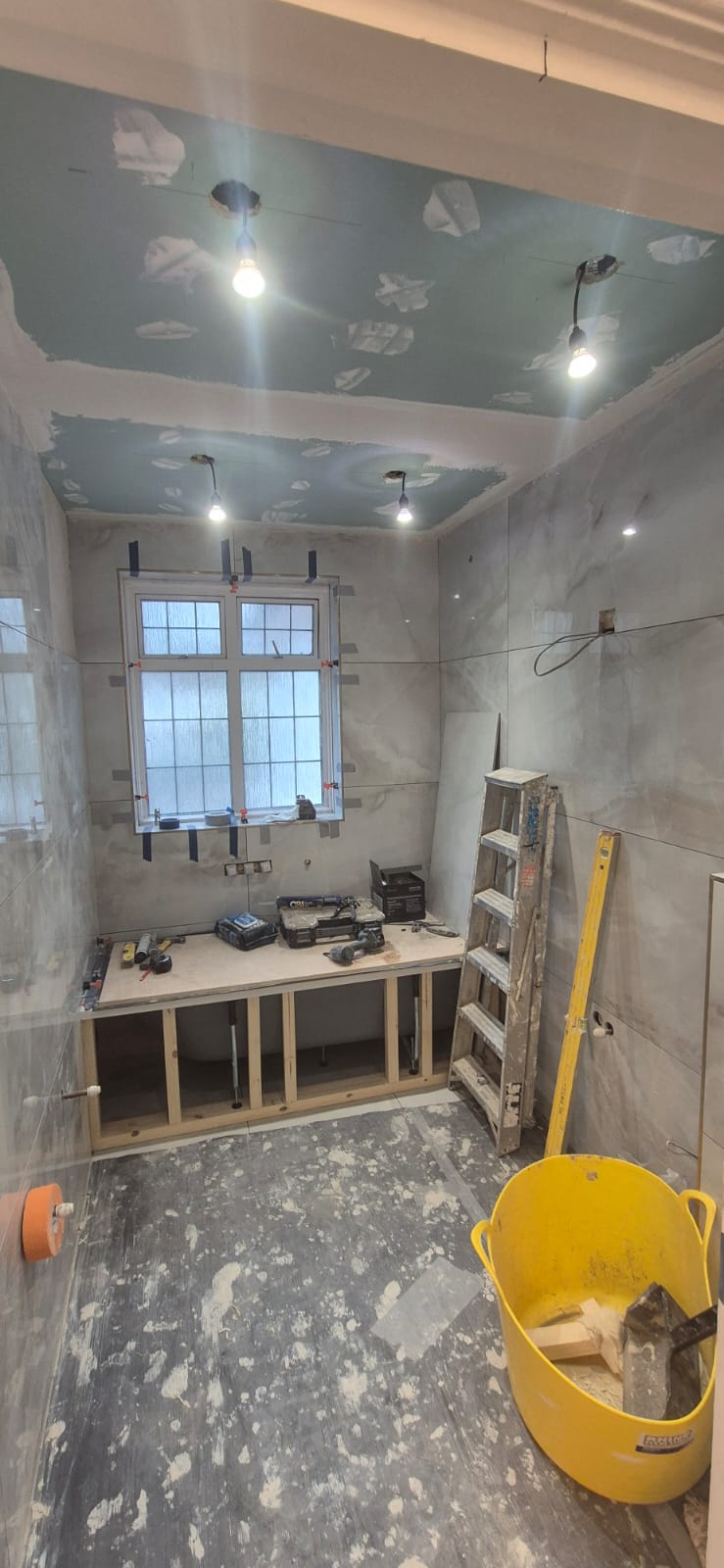
This is where bathroom lighting becomes a planning issue, not just a styling one. Mirror size, vanity placement, storage units, niches and tile layout can all affect where lights should go. If those relationships are not checked early enough, the final positions often end up compromised.
The cleanest results usually come when lighting positions are planned alongside the main bathroom layout before the electrician arrives. That gives the room a more integrated feel and reduces the risk of awkward late-stage workarounds.
For that next step, read Bathroom Lighting Positions: What to Decide Early.
8. Mood lighting can work beautifully when it stays controlled
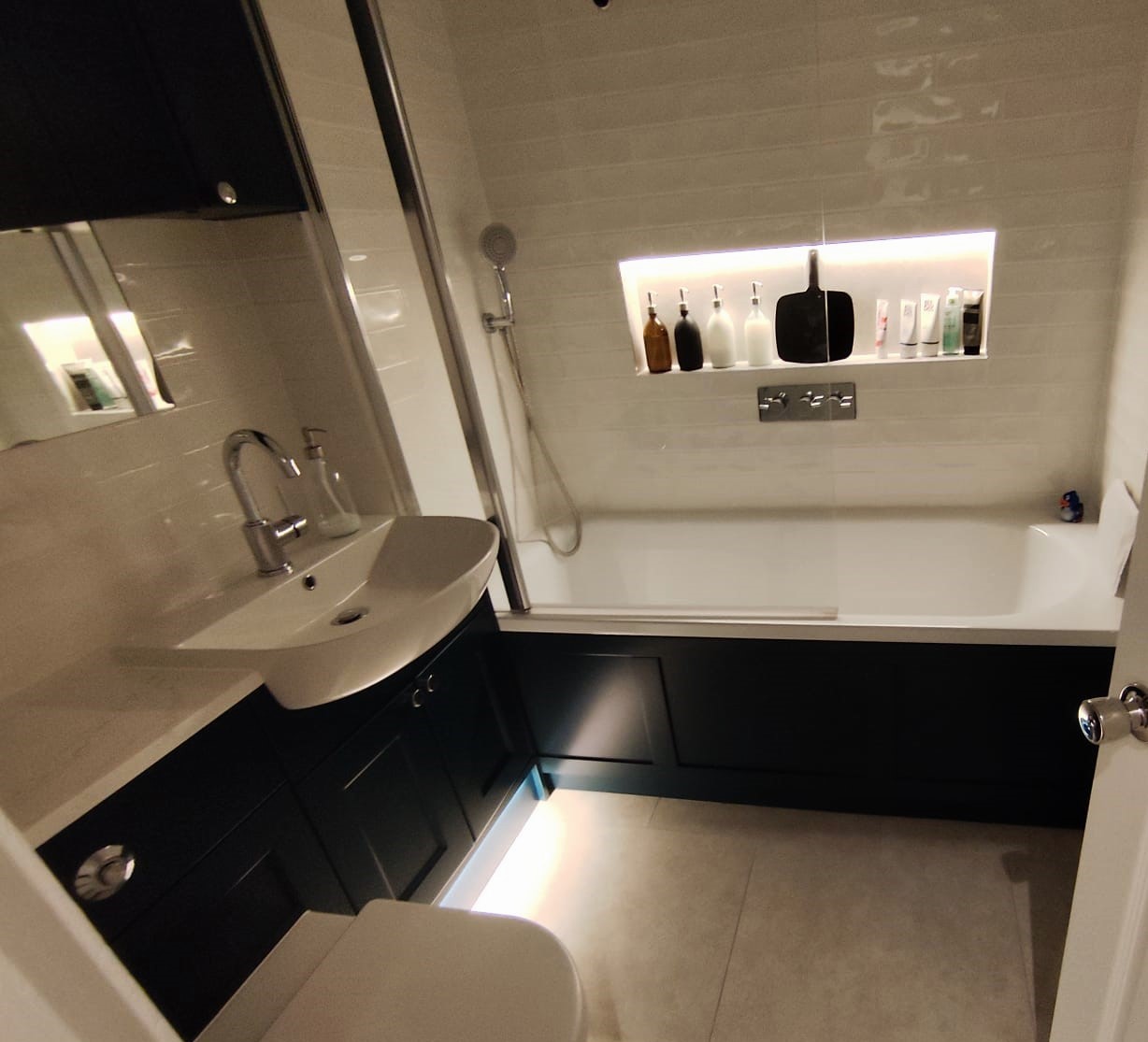
Mood lighting in a bathroom can be very effective, but only when it supports the room rather than turning it into a gimmick. The aim is not to fill the bathroom with decorative effects. The aim is to introduce a softer layer that makes the room feel calmer in the evening or more luxurious in quieter moments.
In most bathrooms, subtlety works best. A controlled glow, softer perimeter light or a more understated support layer usually feels far more premium than anything overcomplicated.
For that approach, go to How to Add Mood Lighting Without Overcomplicating the Bathroom.
9. Lighting should make the bathroom easier to live with, not just nicer in photos
The strongest bathroom lighting ideas work in real life. They help you see properly at the mirror, move through the room comfortably, enjoy the bathroom in the evening and make the finishes feel better overall. Good lighting should reduce friction, not add another design layer that looks impressive but feels impractical.
This is where many bathroom decisions become clearer. If a lighting choice improves daily use as well as atmosphere, it is usually worth serious consideration.
Common bathroom lighting mistakes
- Relying on one central ceiling light to do everything.
- Forgetting that mirror lighting often matters more than overall brightness.
- Planning light fittings too late, after mirror and vanity positions are already decided.
- Using lighting that clashes with the room’s material palette.
- Making the room bright but not comfortable.
- Adding mood lighting with no clear purpose or restraint.
Need help planning the right lighting for your bathroom?
Answer a few quick questions about your space, priorities and style direction to get a free bathroom planning report with more tailored guidance.
Get Your Free Bathroom Planning ReportRelated planning guides
Smarter bathroom planning, design inspiration and fitting guidance for London homeowners.
© Copyright 2026 Bathroom Converter. All rights reserved