2 March slots left • April diary now open
Should You Replace a Bath With a Shower?
Replacing a bath with a shower can be one of the smartest bathroom decisions you make — but only when it genuinely improves how the room works. In many homes, a shower creates better circulation, easier daily use and a calmer layout. In others, removing the bath takes away flexibility without giving enough back. The right answer depends on space, routine, comfort and what the bathroom needs to do well.
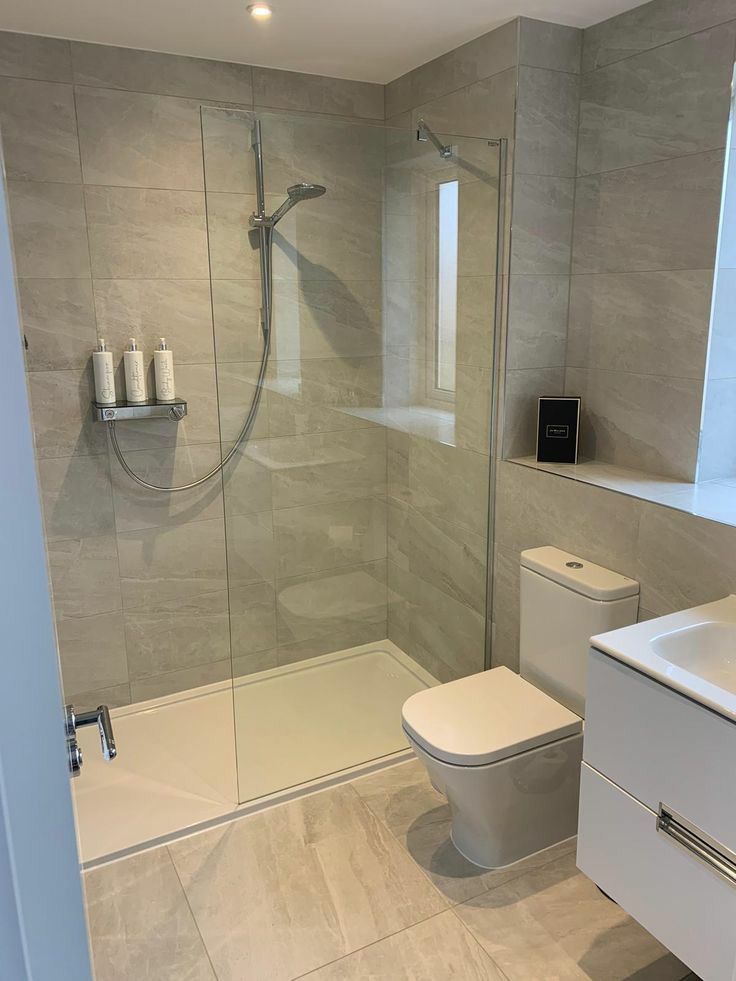
This is one of those bathroom decisions that people often make emotionally first and practically second. Some keep the bath because they assume they should. Others remove it immediately because a shower feels more modern. The stronger approach is to ask whether the room actually becomes better once the bath is gone.
A shower can absolutely transform a bathroom, especially when the layout is tight or the bath is barely used. But the benefit should be real, not theoretical. If the new shower layout gives you more usable space, better access, cleaner flow and a better daily routine, the change is often worth it. If it barely alters the room, the decision becomes less obvious.
Key takeaways before making the switch
- Replacing a bath with a shower makes the most sense when the room clearly improves as a result.
- In smaller bathrooms, this change often creates more usable space and better circulation.
- A shower usually supports easier daily use and simpler long-term access.
- If the bath is regularly used and the room does not gain much without it, the switch may be less worthwhile.
- The decision should include layout, routine, technical implications and overall finish strategy.
1. The first question is simple: do you actually use the bath?
Before getting into layout and style, start with honest usage. If the bath is genuinely used often and adds real value to your daily life, that matters. But if it mostly sits there unused while taking up the most powerful part of the room, then it may be limiting the bathroom more than helping it.
This is where many decisions become clearer. A bath that is rarely used often survives because of habit rather than need. Once that is acknowledged, a better shower-led layout can become much easier to justify.
For the broader decision, compare Bath vs Shower.
2. Replacing a bath with a shower often works especially well in small bathrooms
In compact bathrooms, removing the bath can unlock a much better room. A well-planned shower usually reduces bulk, improves movement space and makes the bathroom feel more open as soon as you enter. That is why this change is so often recommended in smaller layouts.
The key phrase is well-planned. A shower is not automatically better just because it is smaller than a bath. The room still needs a sensible layout, the right shower format and finishes that support the new openness.
If this sounds like your situation, continue with How to Design a Small Bathroom With a Shower and Small Bathroom Design Ideas.
3. The best reason to make the switch is not style — it is function
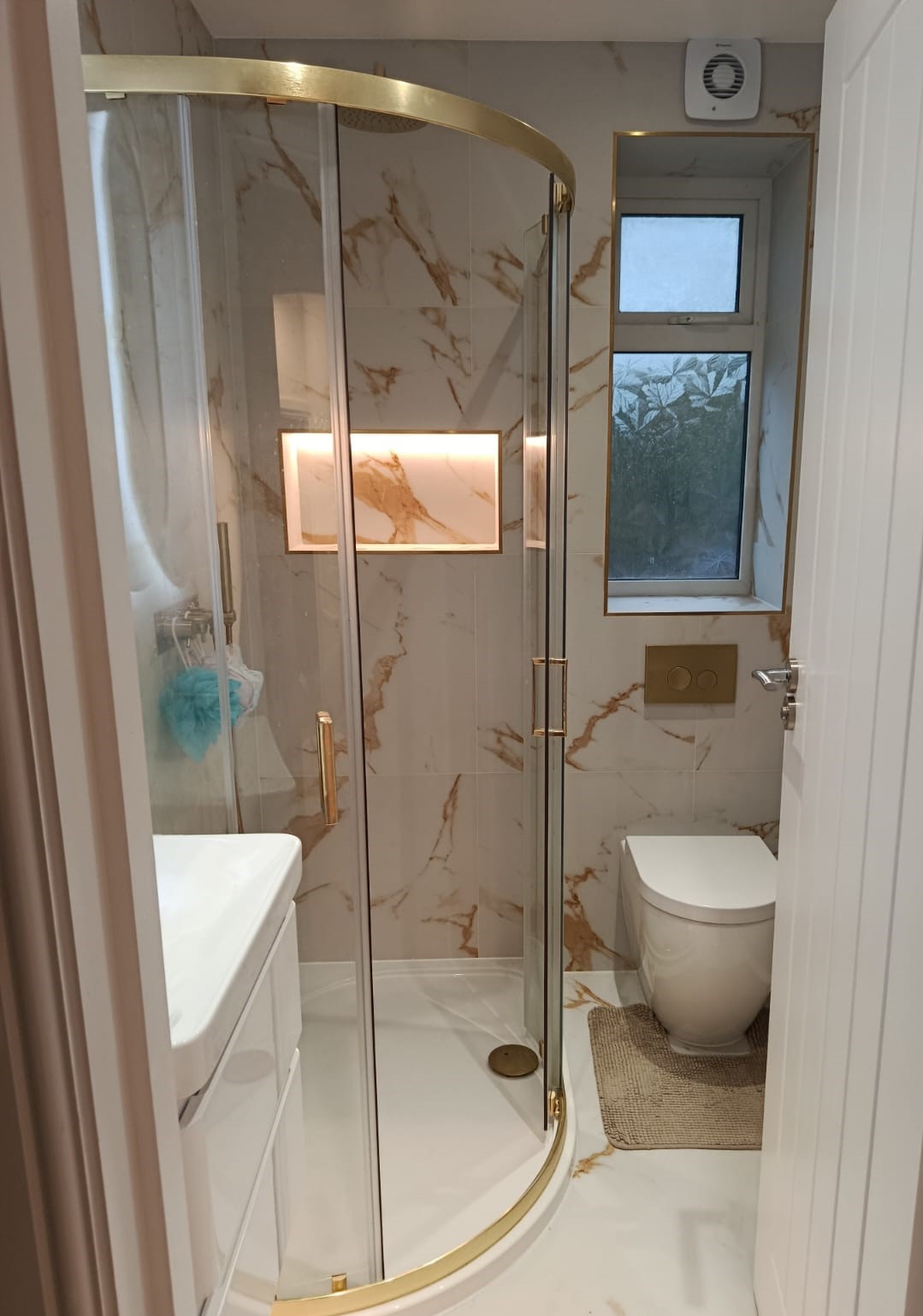
A shower may look cleaner and more modern, but that should not be the only reason to change. The strongest argument is usually practical improvement. Does the room become easier to use every day? Is circulation better? Does it become easier to clean? Is access simpler? Does the bathroom stop feeling overfilled?
When the answer to those questions is clearly yes, replacing the bath with a shower often becomes one of the highest-value changes you can make.
4. Showers usually support easier access and long-term use
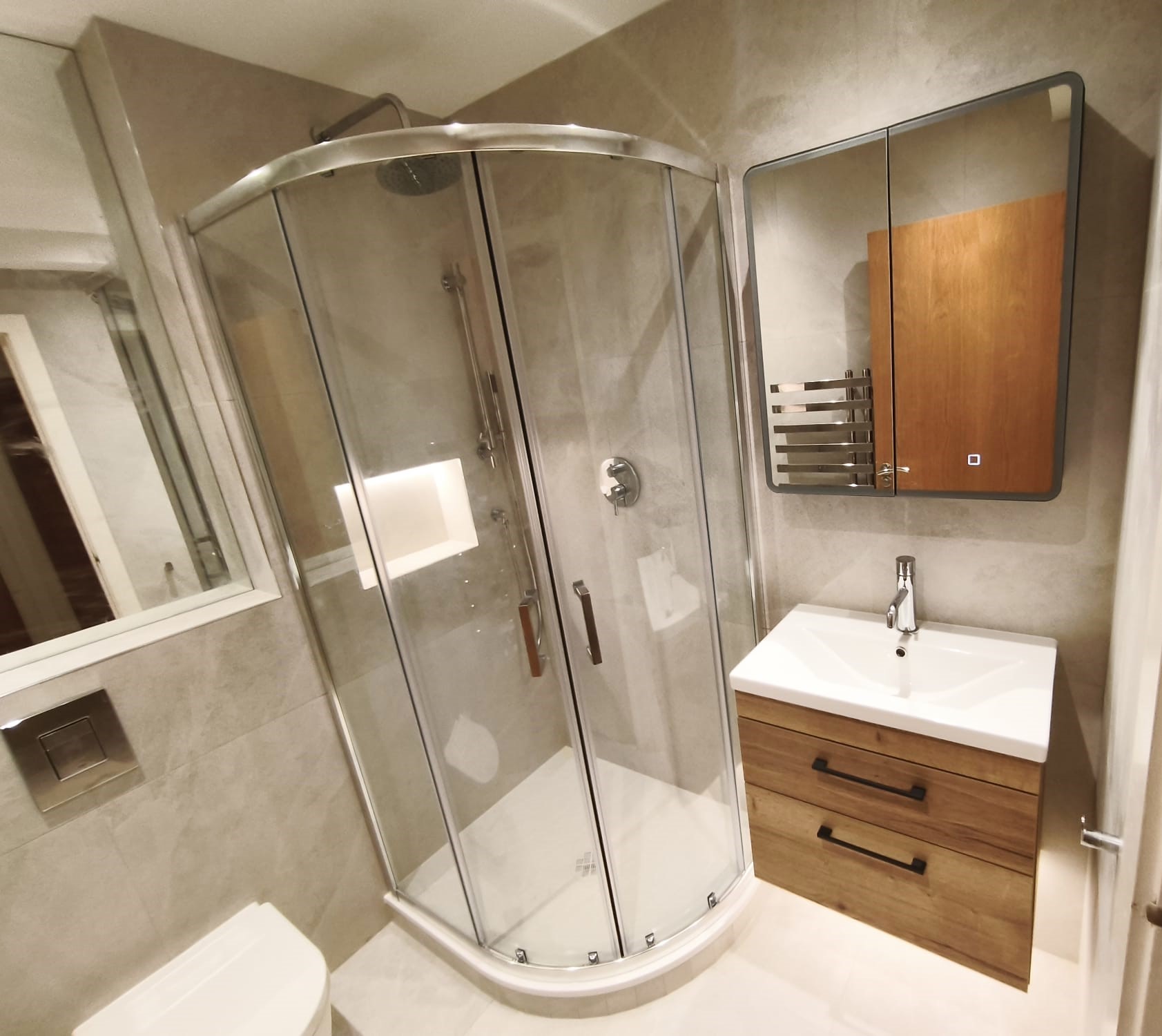
One of the biggest advantages of a shower is accessibility. Stepping into a shower is usually simpler and more comfortable than climbing into a bath, especially over time. Even when accessibility is not an urgent need today, many homeowners still prefer the easier, cleaner experience a shower provides.
That practical ease can make a bathroom feel better not only in terms of design, but in terms of confidence and comfort every day.
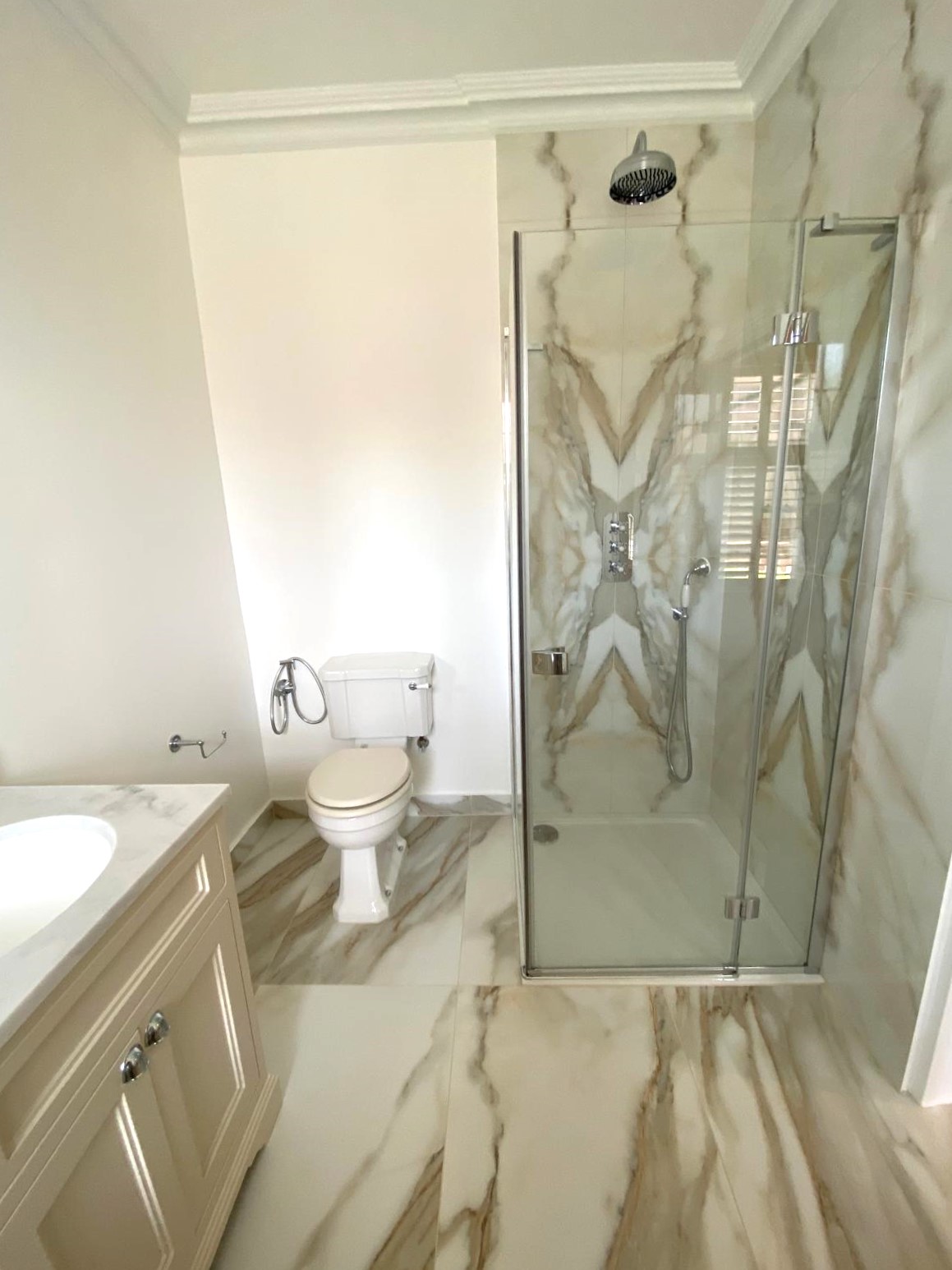
5. But removing the bath is not always the right move
There are still situations where keeping the bath makes more sense. Family use is one of the clearest examples. If the bath is regularly needed and the room still functions well, replacing it may solve one problem while creating another. In larger bathrooms, a bath may also continue to fit naturally without compromising movement or layout.
This is why the right question is not “are showers better than baths?” but “does this bathroom become more successful with a shower?”
6. Think carefully about what kind of shower would replace it
If you do remove the bath, the next decision is what replaces it. A walk-in shower, a more enclosed glass shower or even a wet-room-inspired approach will all change the room differently. The replacement should feel proportionate to the space and should support the overall bathroom layout rather than just occupy the old bath footprint.
If that choice is still open, the best supporting reads are Walk-In Shower Ideas and Wet Room vs Shower Room.
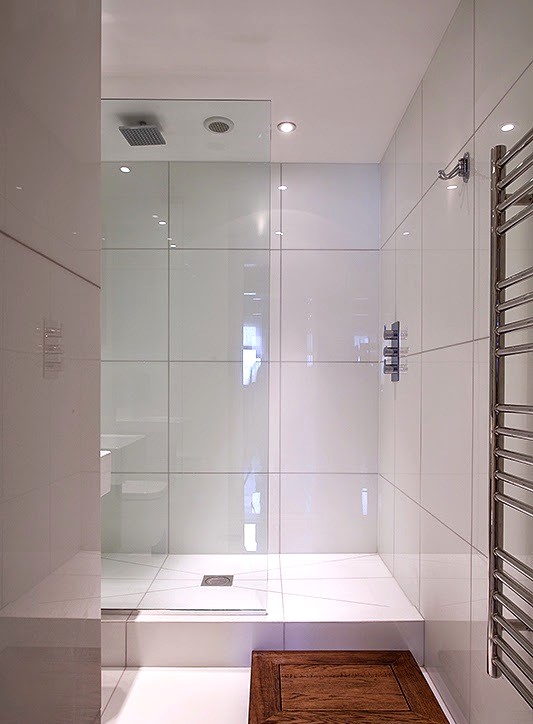
7. The finish strategy often improves with a shower-led layout
Another reason this change often works well is that the finish scheme becomes easier to control. A shower-led bathroom can allow cleaner tile layouts, calmer visual flow and more flexibility with storage, mirrors and lighting. In many compact rooms, the whole bathroom starts to feel more resolved because the largest and heaviest feature has been simplified.
This is especially noticeable in smaller bathrooms where the bath was visually dominating the room. For finish planning, continue with Bathroom Tile Ideas and Best Tile Colours for a Small Bathroom.
8. Do not ignore the technical side of the change
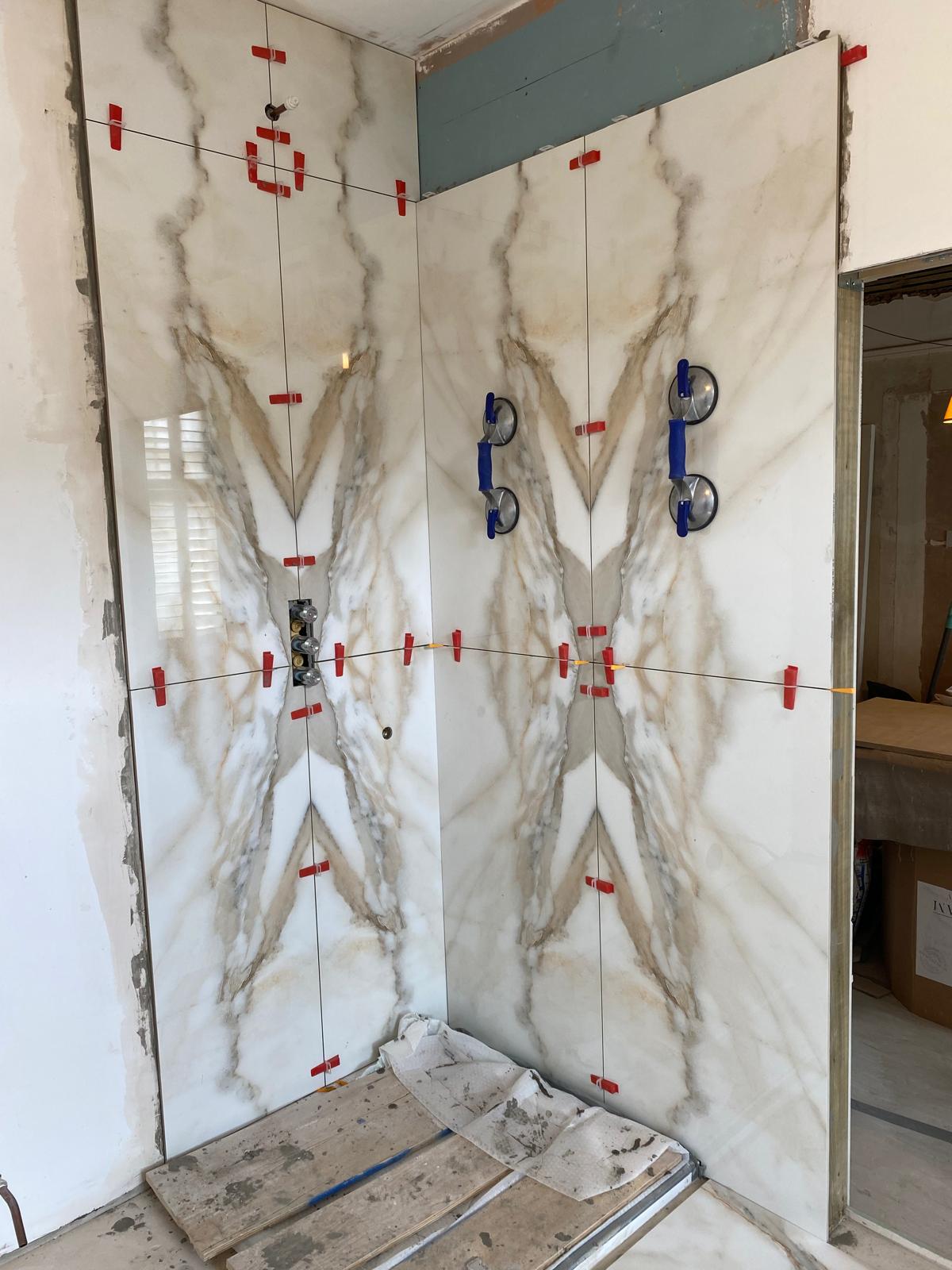
Replacing a bath with a shower is not only a visual decision. It can affect drainage, waterproofing, floor build-up, plumbing adjustments, screen detailing and lighting positions. Some switches are very straightforward. Others need more planning, especially if the new shower type changes how the space is configured.
That does not mean the switch is a bad idea. It simply means the decision should be tied to the technical reality of the room as well as the design ambition.
For that side of the planning, read What to Plan Before a Bathroom Renovation Starts, When Are Plumbing Changes Worth It? and Bathroom Waterproofing: What Needs Thinking About Early?.
9. A good switch should make the whole room feel better, not just different
This is the final test. Once the bath is removed, does the bathroom become easier to move through, easier to light, easier to store things in and easier to enjoy? If yes, the switch was probably worth it. If the room still feels compromised, then the problem may not have been the bath alone.
The best bathroom decisions improve the full experience of the room. Replacing a bath with a shower can absolutely do that — but only when the change is part of a stronger overall plan.
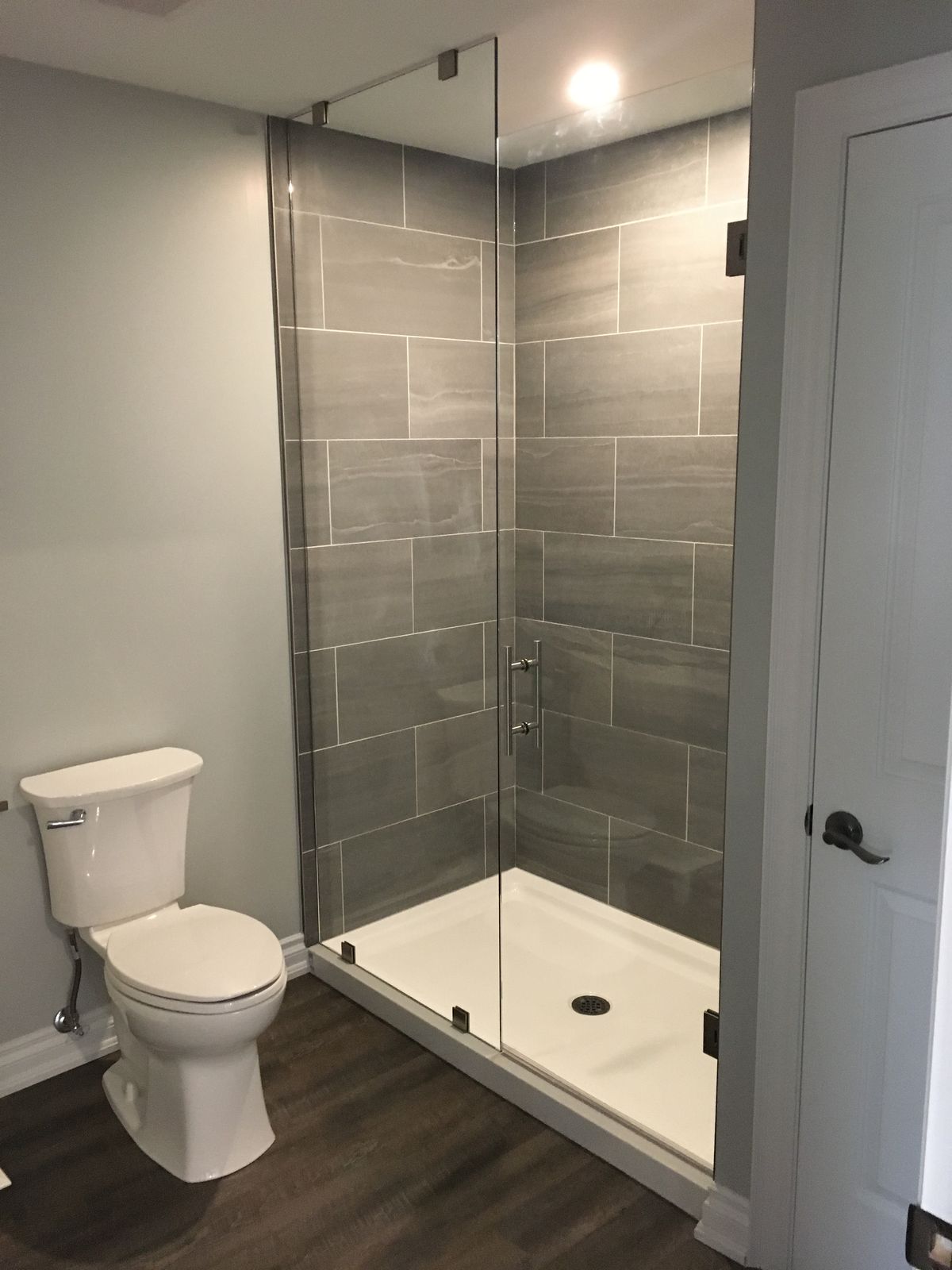
Signs replacing the bath with a shower is probably worth it
- The bath is rarely or never used.
- The room feels cramped and circulation is poor.
- You want easier access and simpler daily use.
- You need more practical layout freedom for storage or vanity planning.
- The bathroom would feel significantly more open with a shower-led setup.
Common mistakes when replacing a bath with a shower
- Making the switch without checking if the layout truly improves.
- Choosing a new shower that still feels bulky or awkward in the room.
- Ignoring storage, lighting and finish planning after the bath is removed.
- Forgetting the technical implications of waterproofing and drainage.
- Removing a bath that is still genuinely valuable to the household.
Need help deciding whether this change is right for your bathroom?
Answer a few quick questions about your room, routine and priorities to get a free bathroom planning report with more tailored guidance.
Get Your Free Bathroom Planning ReportRelated planning guides
Smarter bathroom planning, design inspiration and fitting guidance for London homeowners.
© Copyright 2026 Bathroom Converter. All rights reserved