2 March slots left • April diary now open
What to Plan Before a Bathroom Renovation Starts
The smoothest bathroom renovations usually feel easy only because the important decisions were made early. Layout, shower type, lighting positions, waterproofing details, storage, heating and plumbing changes all become harder, messier and more expensive once the work is already underway. The best results usually come from planning the room properly before demolition begins.
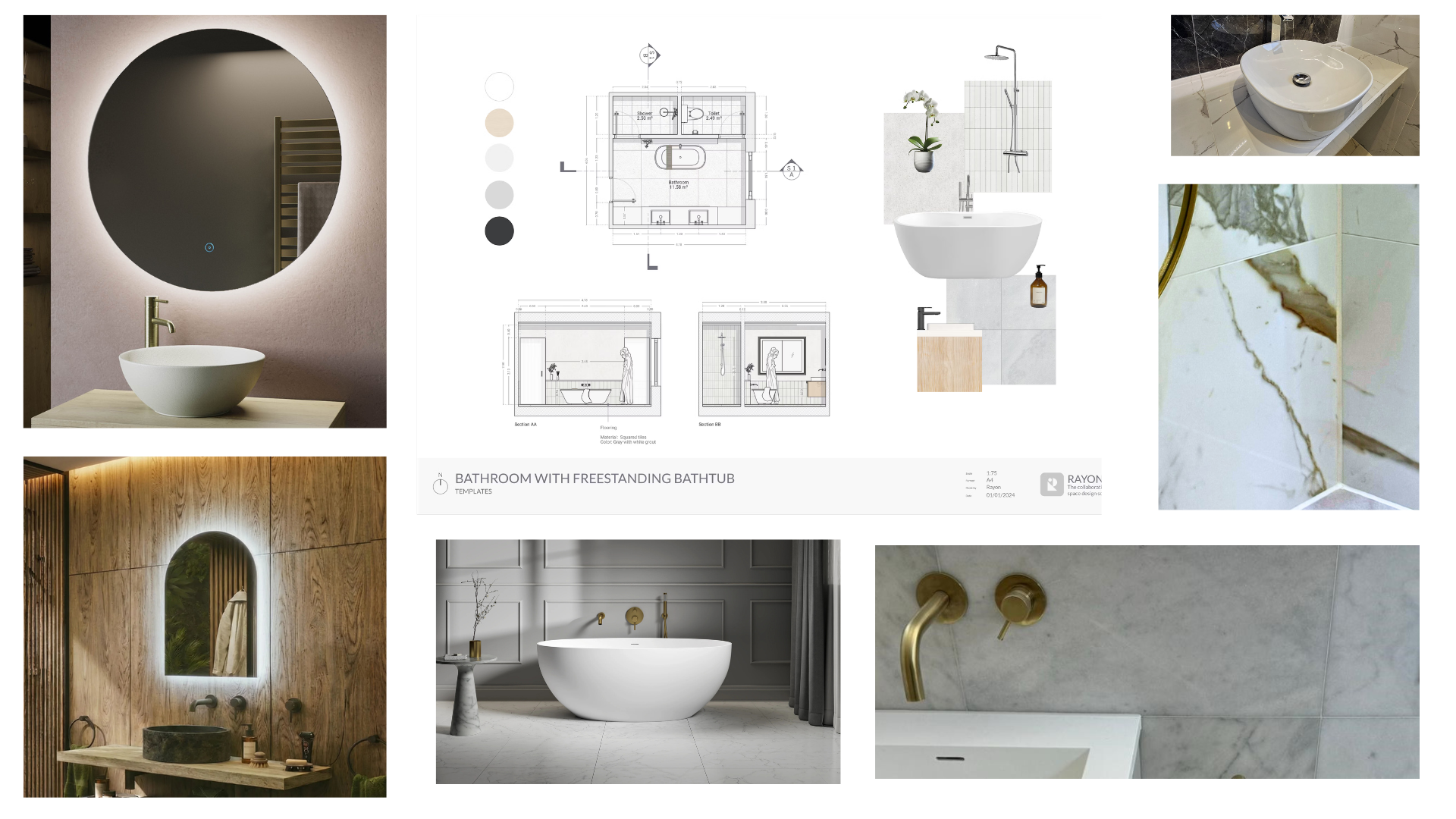
Many bathroom problems are not caused by poor workmanship alone. They start earlier, when key decisions are left too late or treated in isolation. A mirror gets chosen before the lighting positions are confirmed. A niche gets added after the tiling has already been set out. A bath is removed without checking whether the new shower layout really improves the room.
Planning does not have to mean overcomplicating the project. It means making the right decisions in the right order. When that happens, the bathroom usually feels better, the installation runs more smoothly and there are fewer expensive compromises later.
Key takeaways before your bathroom renovation starts
- The most important bathroom decisions are often the ones made before visible finishes go in.
- Layout, shower type, lighting and waterproofing should be planned early, not during the install.
- Good planning reduces costly changes, awkward detailing and weak final results.
- The best bathroom renovations usually follow a clear order of decisions rather than making everything up as they go.
- If one early decision changes, several others usually need checking too.
1. Start with how the bathroom needs to work
Before choosing any products, step back and define what the room needs to do well. Is the priority daily practicality, more storage, easier access, a more premium feel, or simply making a cramped bathroom work properly? Until that is clear, other decisions can become reactive rather than useful.
This is also where the bath-versus-shower question should be faced honestly. If the room works much better with a shower, that needs deciding early. If the bath remains genuinely important, the rest of the layout has to respect that.
For that decision path, continue with Bath vs Shower and Should You Replace a Bath With a Shower?.
2. Confirm the layout before moving anything unnecessarily
The layout is one of the highest-impact decisions in the whole project. It affects movement, comfort, visual balance, storage, lighting positions and technical work underneath the surfaces. That is why it should be resolved early, not after fixtures have already been mentally chosen.
At the same time, layout changes should still be justified. Some plumbing moves are worth doing because they transform the room. Others add disruption and cost without improving the bathroom enough to justify them.
If that question is relevant in your case, read When Are Plumbing Changes Worth It?.
3. Decide on the shower setup early
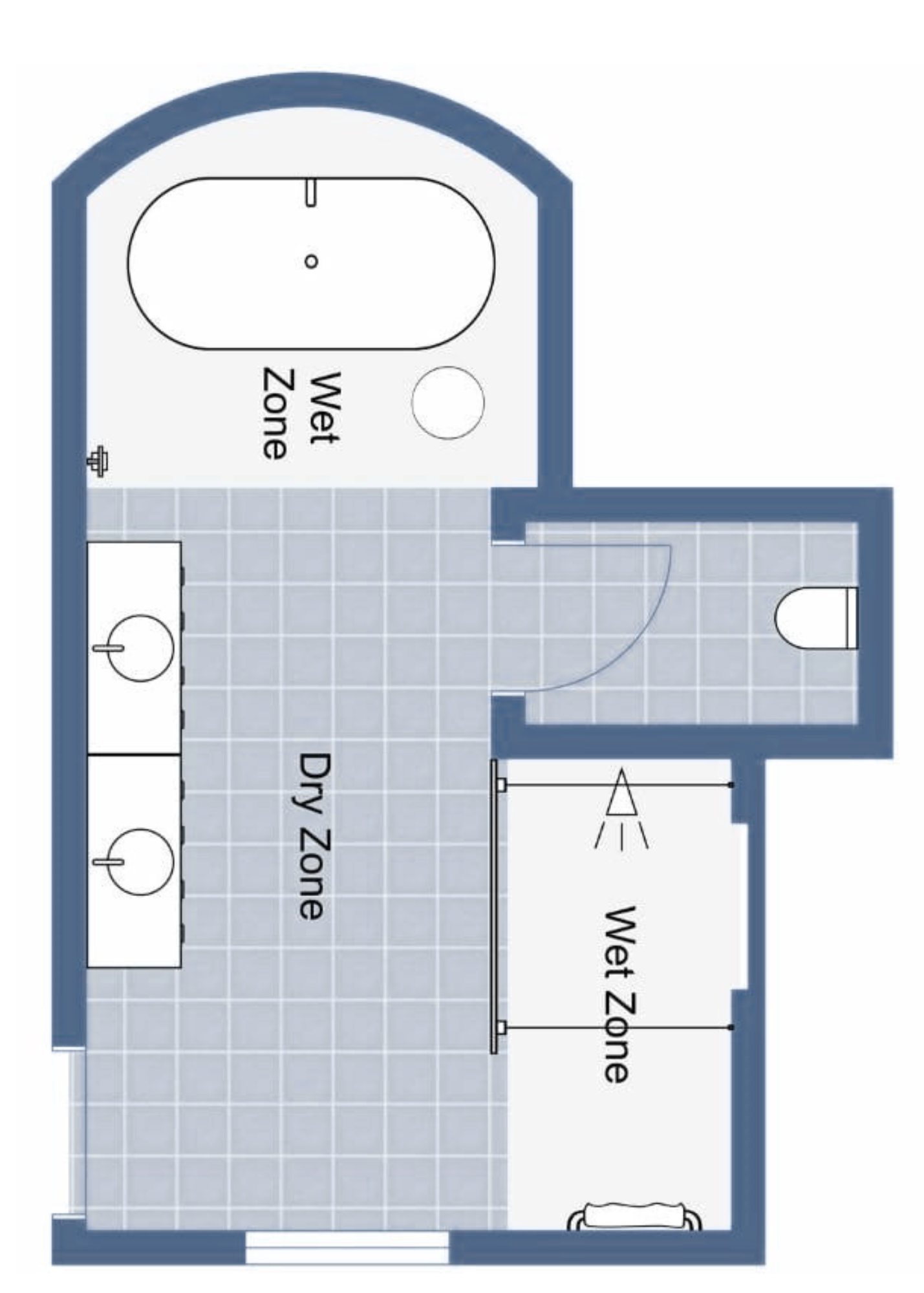
The chosen shower setup affects more than the shower itself. A walk-in shower, enclosed shower, shower room or wet room all create different demands in the room. They influence drainage, waterproofing, tile strategy, glass layout, circulation and how open the bathroom feels overall.
If this decision is left vague, the rest of the planning often becomes weaker. The room needs to know what kind of shower it is supporting before the technical decisions underneath can be resolved properly.
For that route, compare Wet Room vs Shower Room and How to Design a Small Bathroom With a Shower.
4. Plan lighting positions before mirror and tiling decisions lock you in
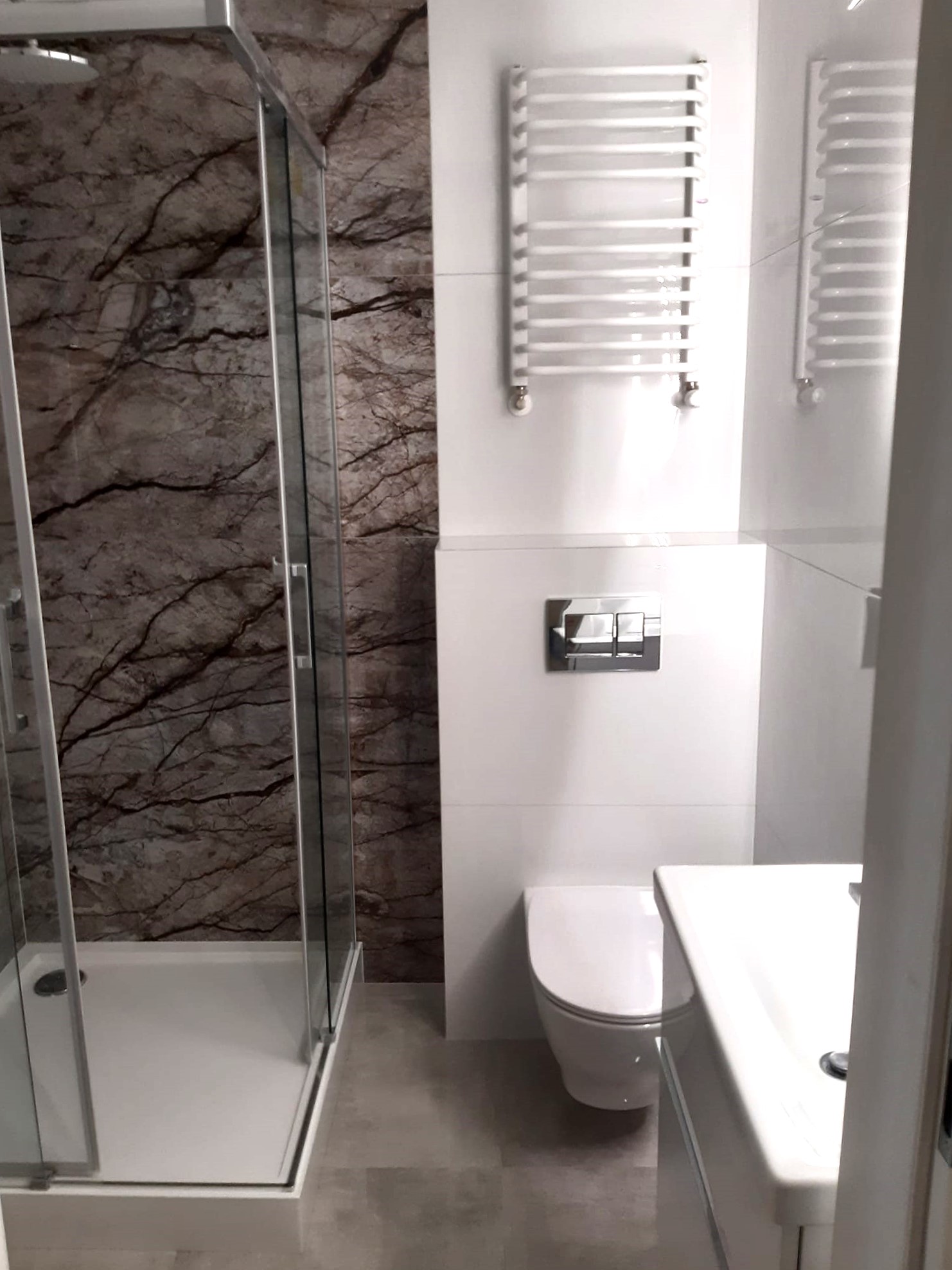
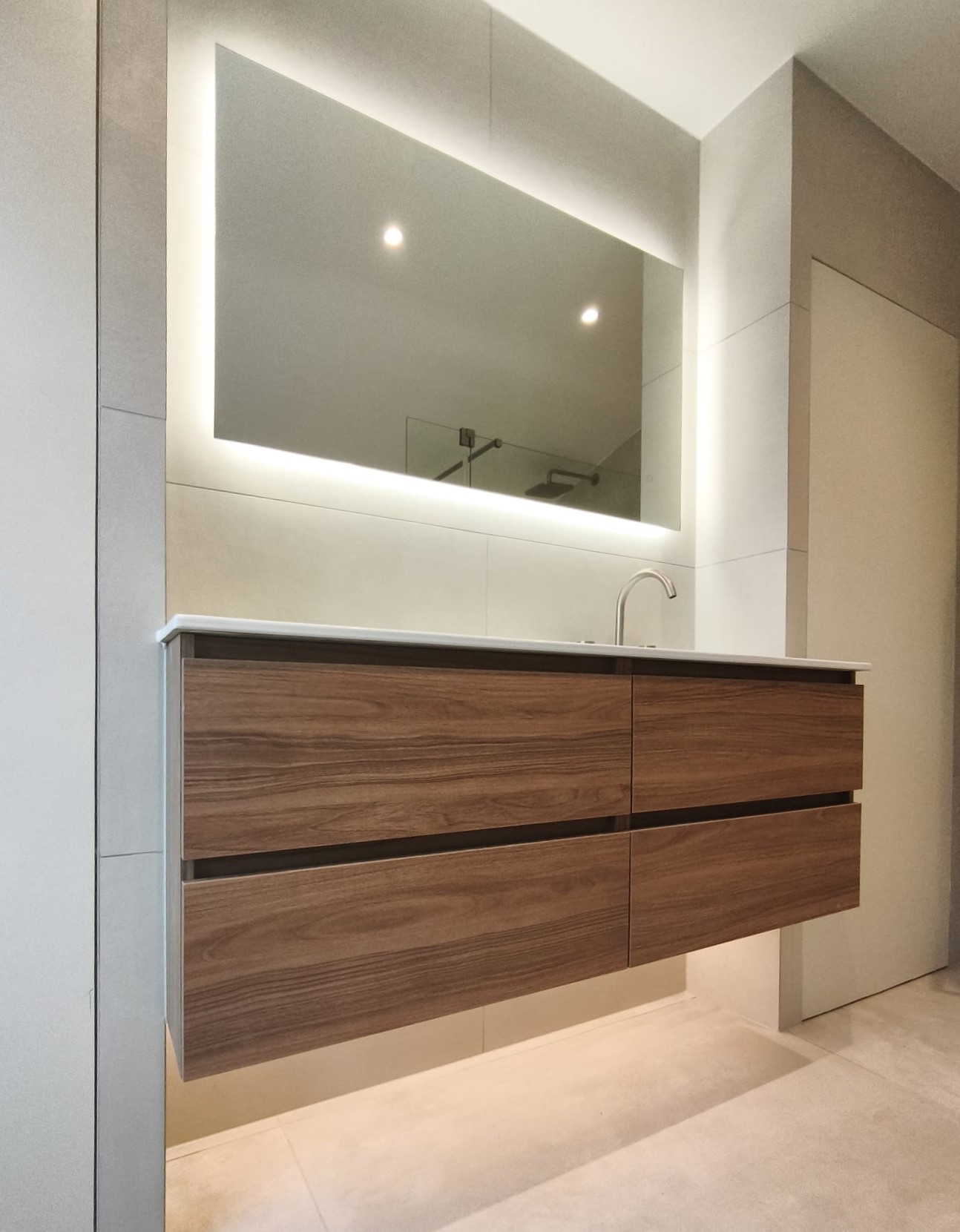
Lighting should not be treated as a decorative afterthought. Mirror lighting, ceiling lighting and any softer ambient support need to work with the vanity position, the mirror size, the room proportions and the finish palette. If those relationships are not checked early, lighting points often end up compromised.
It is much easier to get this right before the electrician arrives than after the tiling plan and mirror choice have already narrowed the options.
The best supporting reads here are Bathroom Lighting Ideas and Bathroom Lighting Positions.
5. Think about waterproofing before you think about styling details
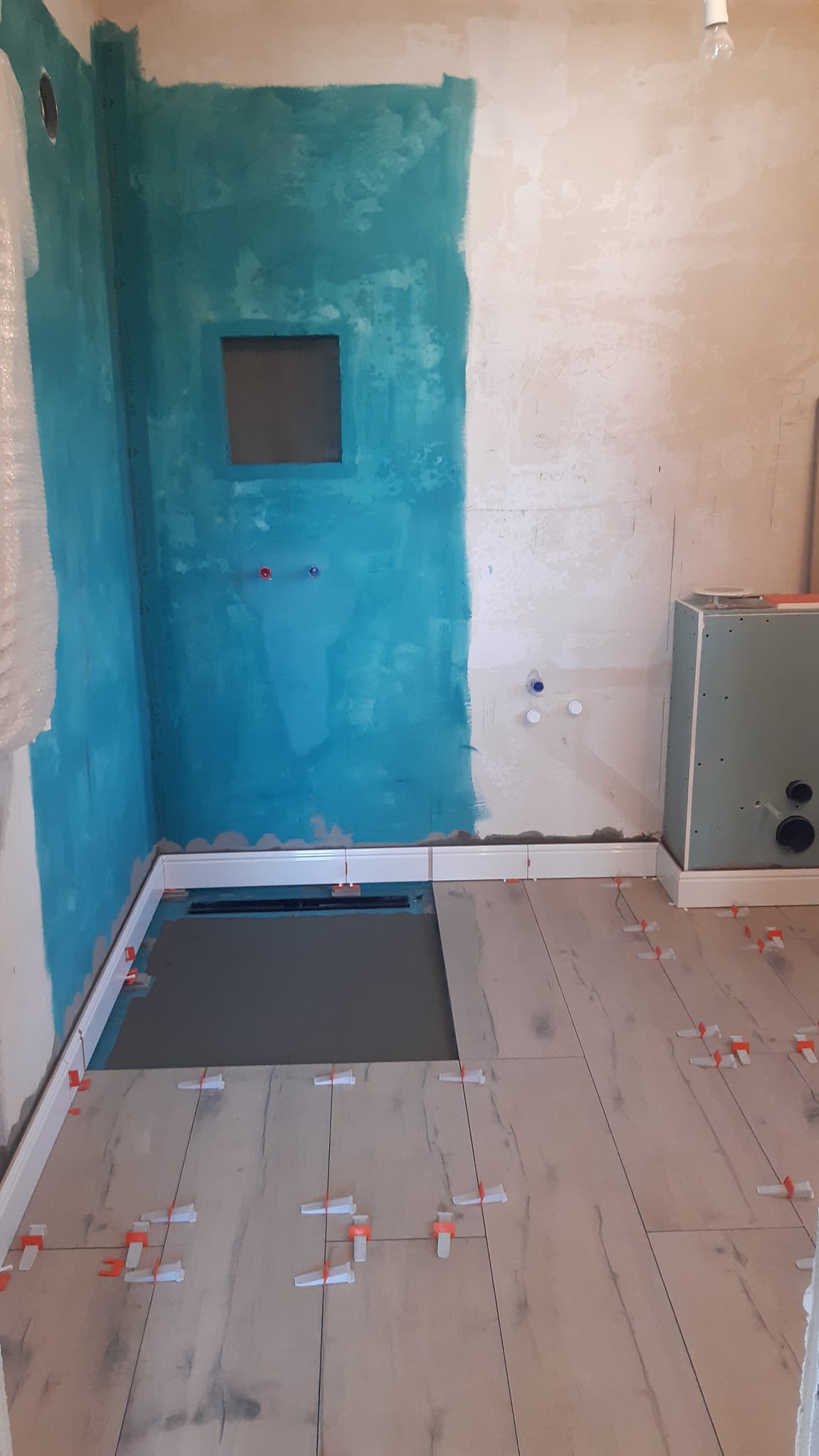
Shower niches, wet areas, bath-shower transitions and open shower layouts all depend on proper waterproofing strategy. This is one of the most important early planning areas because once the room moves into visible finish decisions, it becomes harder to step back and correct anything properly.
Good waterproofing planning is not glamorous, but it has a major effect on whether the bathroom performs well over time. It should be treated as part of the room design, not as something purely hidden and technical.
For that topic specifically, read Bathroom Waterproofing: What Needs Thinking About Early?.
6. Decide early on storage, niches and integrated details
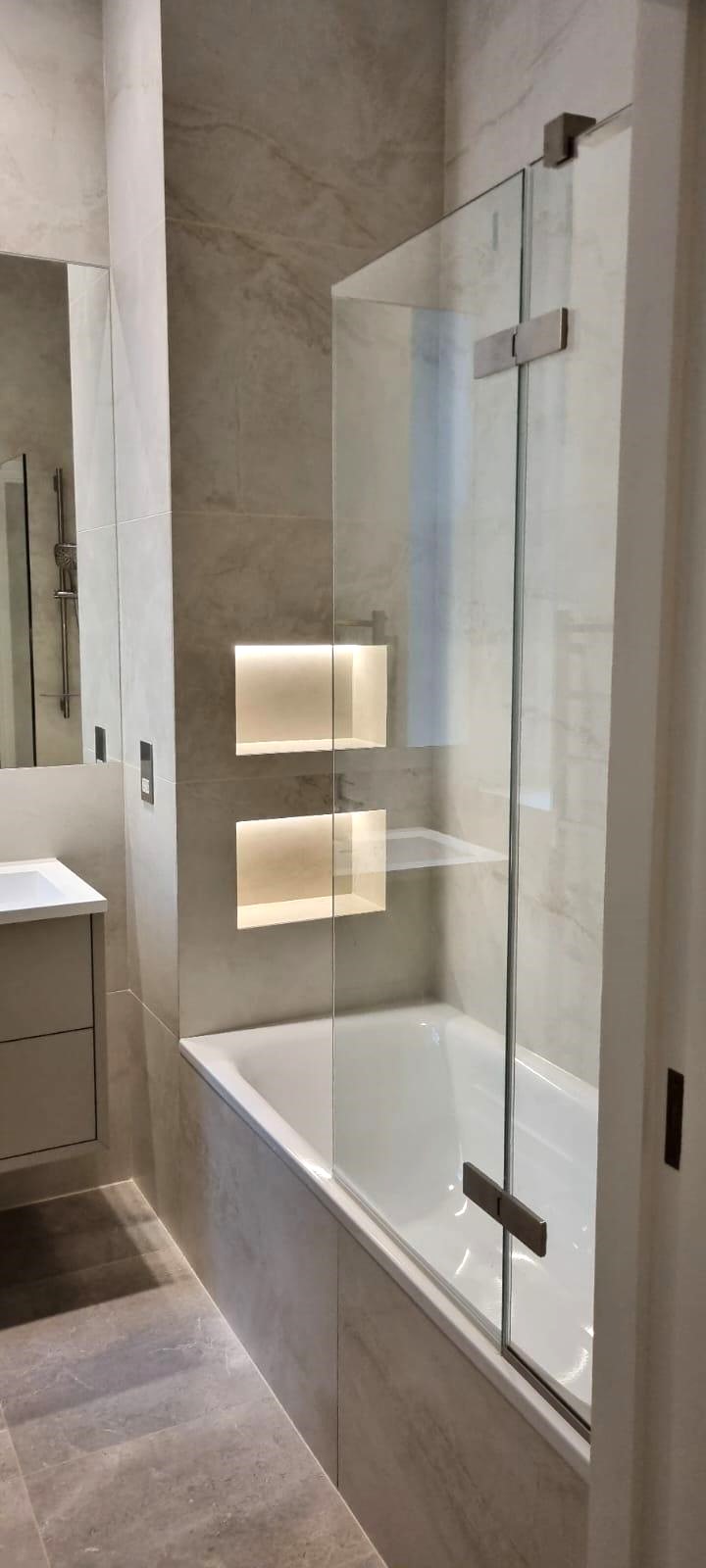
Built-in details such as shower niches, recessed shelving, mirror cabinets and certain storage solutions often look best when they are planned before the room is already being fitted. If they are added late, they can interrupt tile lines, feel awkwardly placed or look like afterthoughts.
This is especially true in more premium bathrooms, where integrated details often make the room feel calmer and more resolved. The smaller details matter more than people think.
For that layer, continue with Shower Niche vs Shelf and Bathroom Storage Ideas That Improve Everyday Use.
7. Confirm the finish direction before selecting individual products
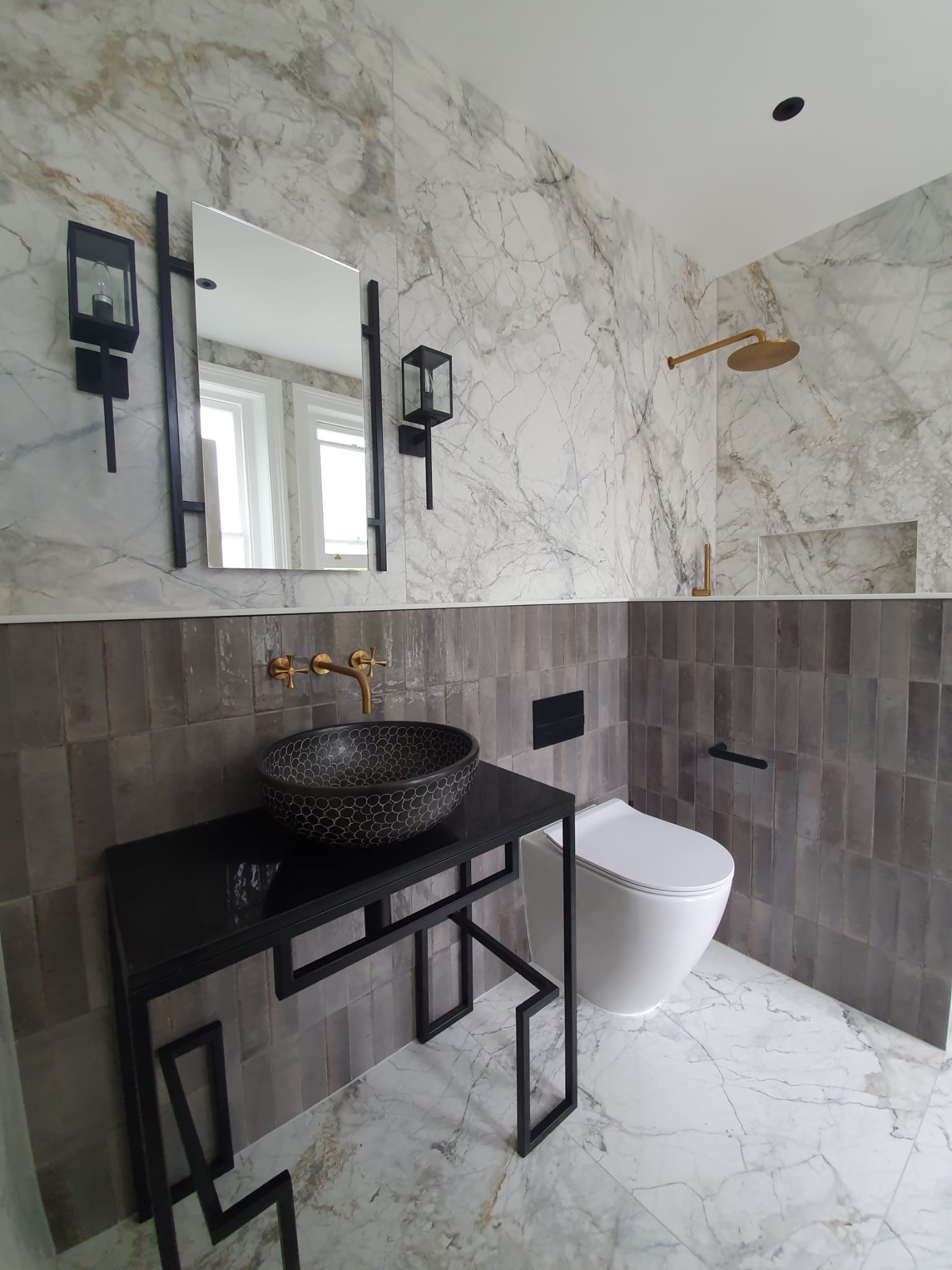
One of the most common planning mistakes is choosing products piece by piece without a clear finish direction. Tiles, brassware, vanity materials, mirror style and lighting then start to compete with each other instead of working together. A better approach is to define the overall finish language first, then choose the components that support it.
This usually leads to a calmer and more premium result with fewer design clashes later in the process.
For the finish side, continue with Bathroom Tile Ideas and Tiles & Finishes.
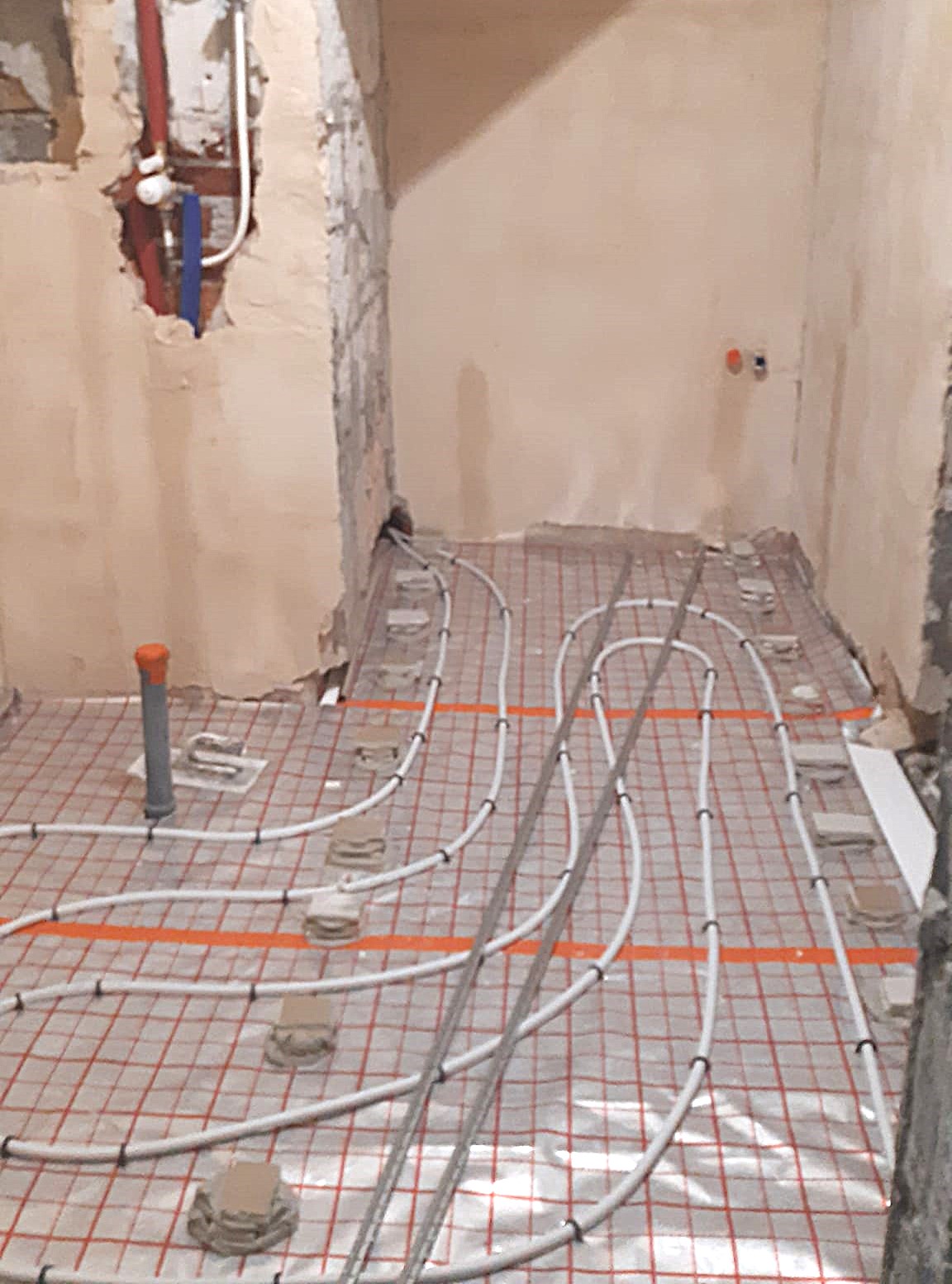
8. Check whether underfloor heating and ventilation should be part of the plan
Heating and ventilation are the kinds of technical decisions that are easy to overlook because they sit behind the more visible choices. But they still affect comfort, moisture control and the long-term performance of the bathroom.
Underfloor heating may be worth planning if comfort and floor build-up make sense for the project. Better extraction may be just as important, particularly in bathrooms with heavier moisture demand or more enclosed layouts.
If those topics matter in your project, read Bathroom Underfloor Heating: Is It Worth It? and Bathroom Ventilation: What Homeowners Often Miss.
9. Finalise the sequence of decisions before the install starts
Good bathroom planning is not only about what you decide. It is also about when you decide it. The strongest projects usually follow a simple order: how the room needs to work, the layout, the shower or bath setup, the technical implications, the lighting positions, the finish direction and then the more refined details.
When the order becomes chaotic, the project usually becomes more expensive and more compromised too. When the order is clear, the room tends to come together much more naturally.
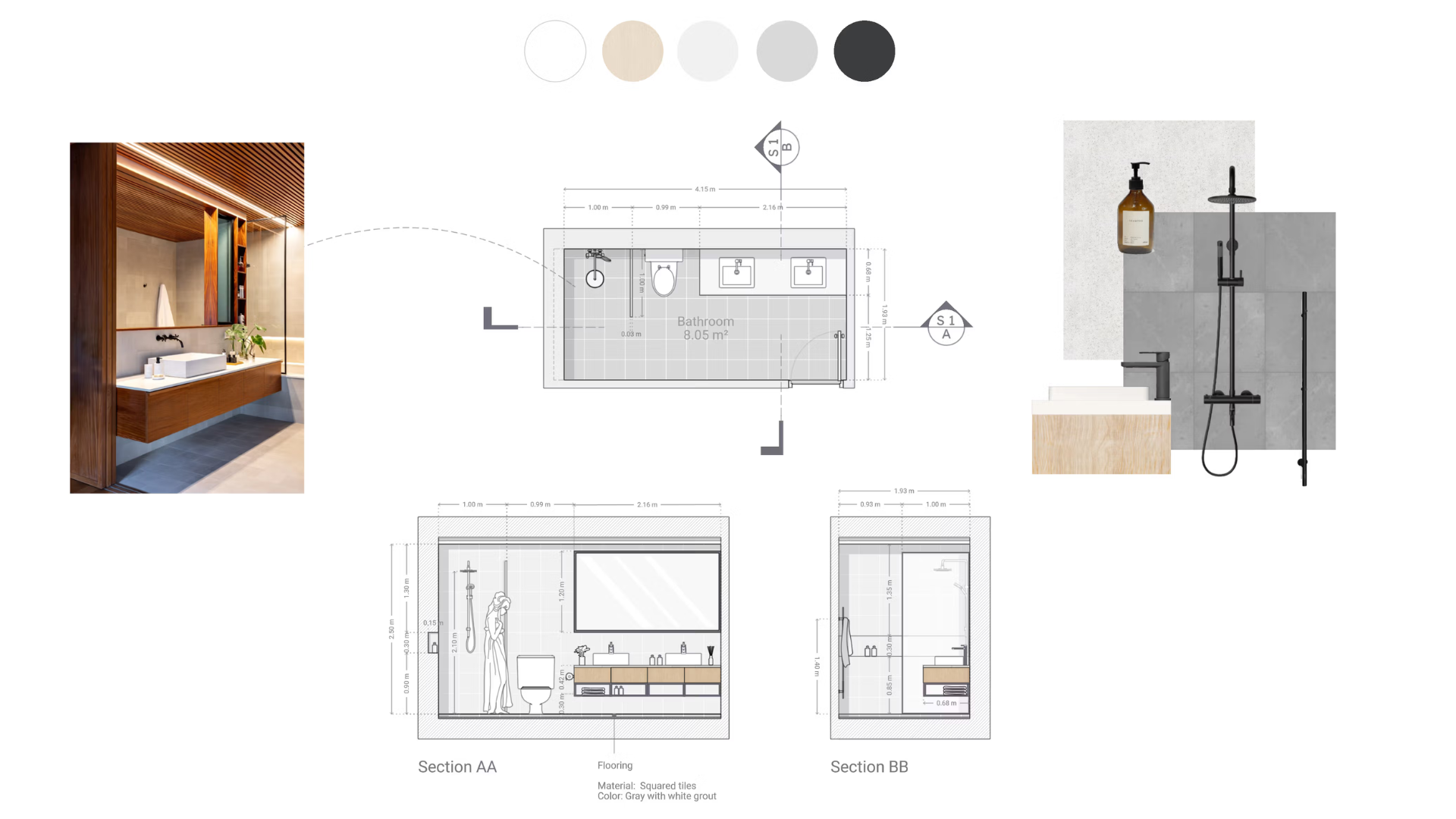
What to plan before the renovation starts
- What the bathroom needs to do better than it does now.
- Whether the existing layout stays or changes.
- Bath, shower, shower room or wet room direction.
- Any plumbing changes worth making.
- Lighting positions and mirror strategy.
- Waterproofing, drainage and wet-zone implications.
- Storage, niches and built-in details.
- Finish direction for tiles, colours and materials.
- Whether heating and ventilation need upgrading.
Common planning mistakes before a bathroom renovation
- Choosing products before the layout is properly resolved.
- Leaving the shower setup vague until too late.
- Planning lighting after mirrors, tiles and vanity placement are already decided.
- Ignoring waterproofing implications until the build is underway.
- Adding storage and niches late without checking tile alignment.
- Treating heating and ventilation as optional afterthoughts.
Need clearer next steps before your bathroom renovation starts?
Answer a few quick questions about your room, goals and priorities to get a free bathroom planning report with more tailored guidance.
Get Your Free Bathroom Planning ReportRelated planning guides

Smarter bathroom planning, design inspiration and fitting guidance for London homeowners.
© Copyright 2026 Bathroom Converter. All rights reserved