2 March slots left • April diary now open
Bath vs Shower: Which Makes More Sense for Your Bathroom?
Choosing between a bath and a shower is one of the biggest decisions in any bathroom remodel. The right answer depends on how the room is used, how much space you have, what level of comfort matters most and whether the layout genuinely improves with one option over the other. A bath can feel relaxing and flexible, while a shower often makes the room easier to use and plan day to day.
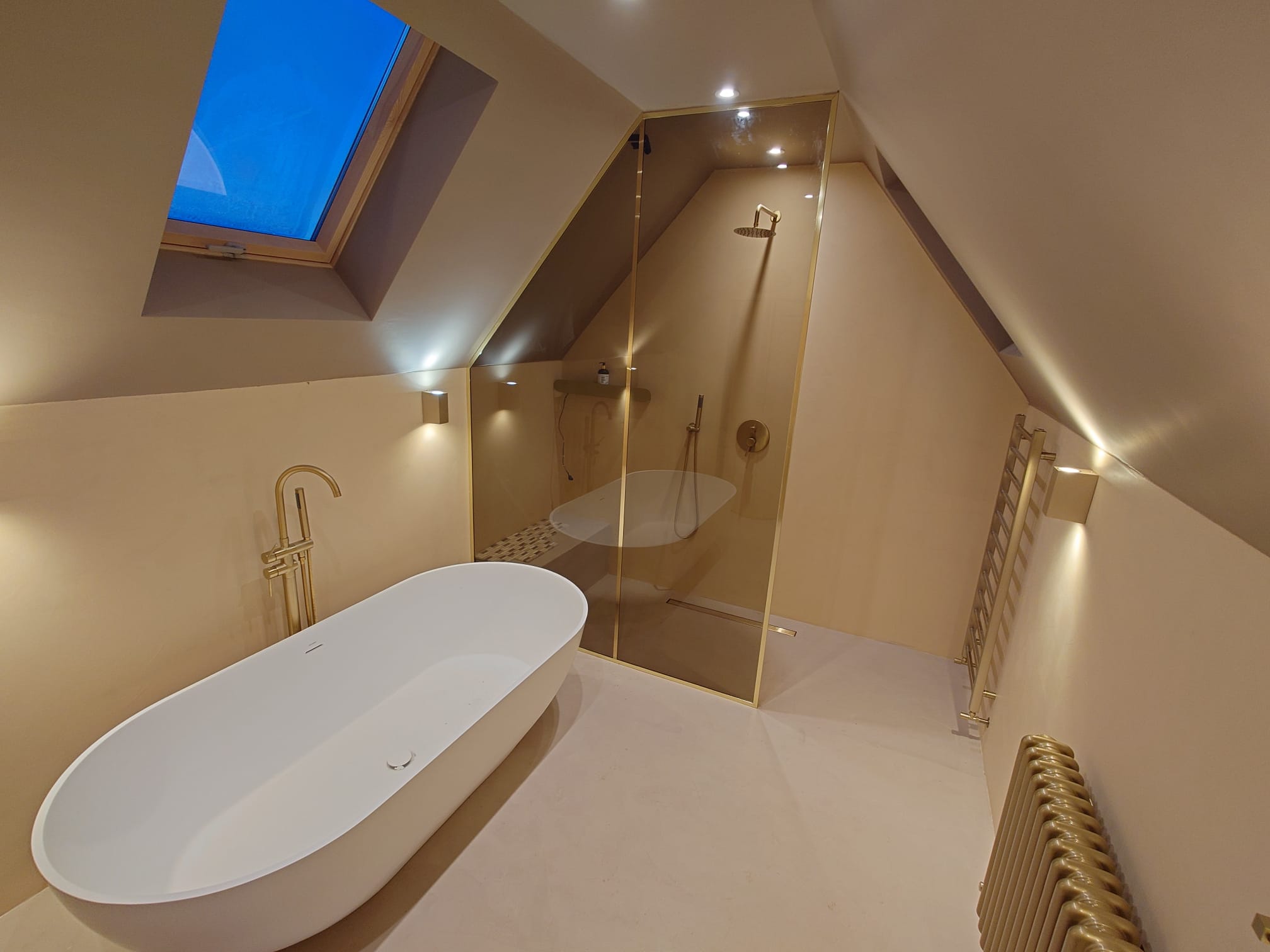
Many bathroom decisions become harder than they need to be because people start with habit instead of priority. Some assume every home should keep a bath. Others remove it immediately because a shower feels more modern. In reality, the best choice is usually the one that supports the room properly and fits how you actually live.
A bath can still be the right choice when comfort, family use or occasional soaking really matter. A shower often makes more sense when daily practicality, easier access and cleaner layouts are the priority. The goal is not to follow a rule. The goal is to understand what each option gives you — and what it takes away.
Key takeaways before choosing
- A shower often improves layout efficiency, especially in smaller bathrooms.
- A bath still makes sense when comfort, family use or resale expectations genuinely matter.
- The best option depends on space, routine, accessibility and what the room needs to do well.
- Replacing a bath with a shower can be a strong move, but only if the overall room improves.
- The right choice should be judged by daily use, not just by appearance.
1. Start with how the bathroom is really used
Before comparing aesthetics, start with behaviour. Does the bathroom mainly support quick weekday routines? Is it used by a family with younger children? Is it more of a private retreat space where a bath is genuinely enjoyed? These questions matter more than generic rules about what bathrooms “should” have.
A shower usually wins when efficiency and daily convenience matter most. A bath has more value when the household actually uses it regularly, not when it remains in place simply out of habit.
If you are planning a compact room in particular, it helps to read Bath or Shower in a Small Bathroom? and How to Design a Small Bathroom With a Shower.
2. A shower usually gives you more usable space
One of the strongest arguments for a shower is spatial efficiency. In many bathrooms, especially smaller ones, a shower frees up floor area, improves movement and reduces visual bulk. That can make the whole room feel easier, lighter and more comfortable.
This does not mean every shower layout is automatically better. The room still needs a sensible plan, the right screen format and finishes that support openness. But where space is limited, a shower often gives you more flexibility overall.
For the wider small-space picture, continue with Small Bathroom Design Ideas.
3. A bath still has strengths that matter in the right home
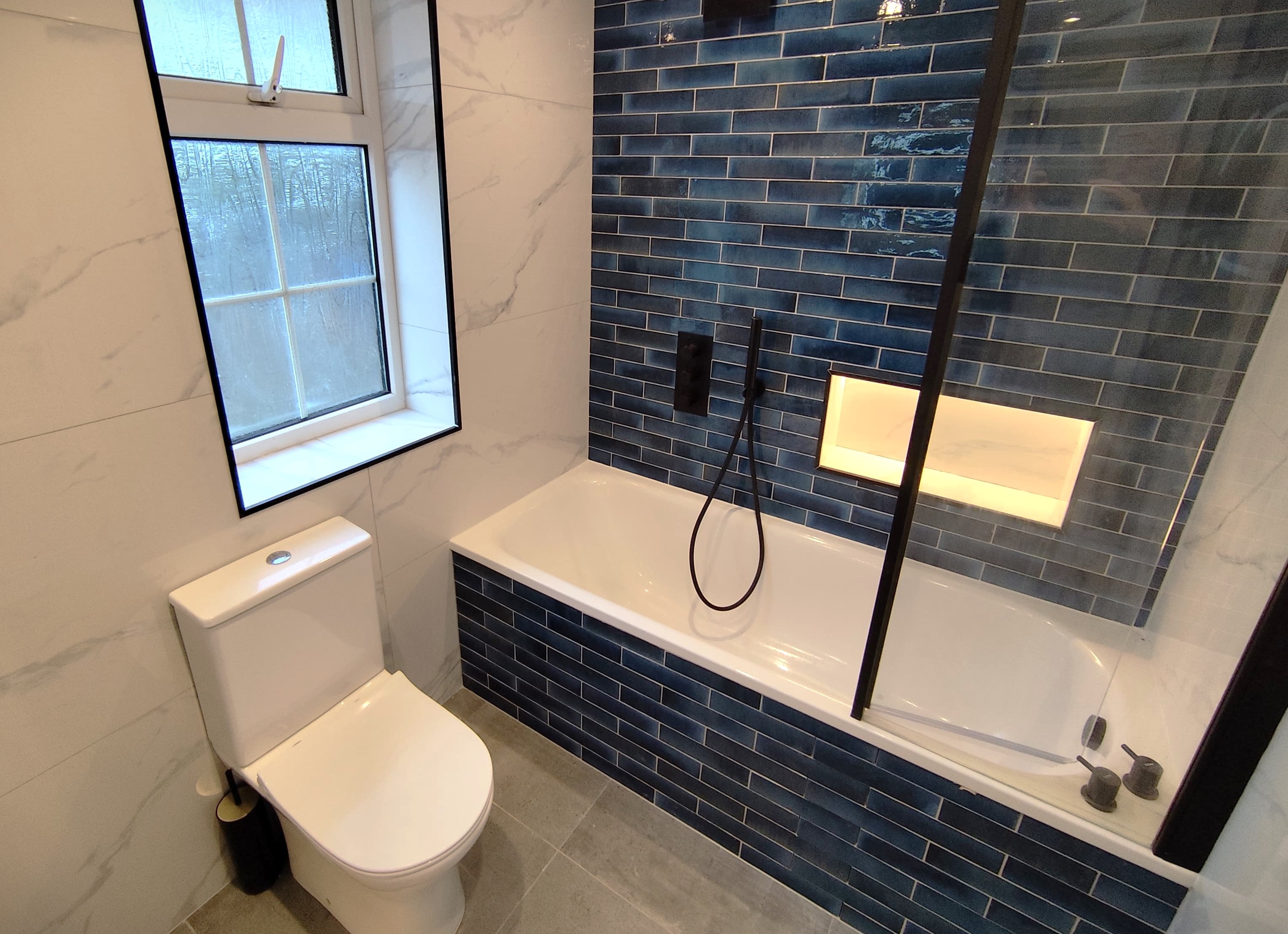
Baths continue to make sense in many homes for good reasons. They can provide relaxation, flexibility for family routines and a different kind of bathroom experience altogether. In some layouts, a bath can also help the room feel grounded and more traditional if that suits the design direction.
The problem is not the bath itself. The problem is keeping a bath when it forces too many compromises in a room that would work much better with a shower. If a bath is rarely used and takes up valuable layout space, its emotional value may not be enough to justify it.
4. Think about accessibility and long-term use
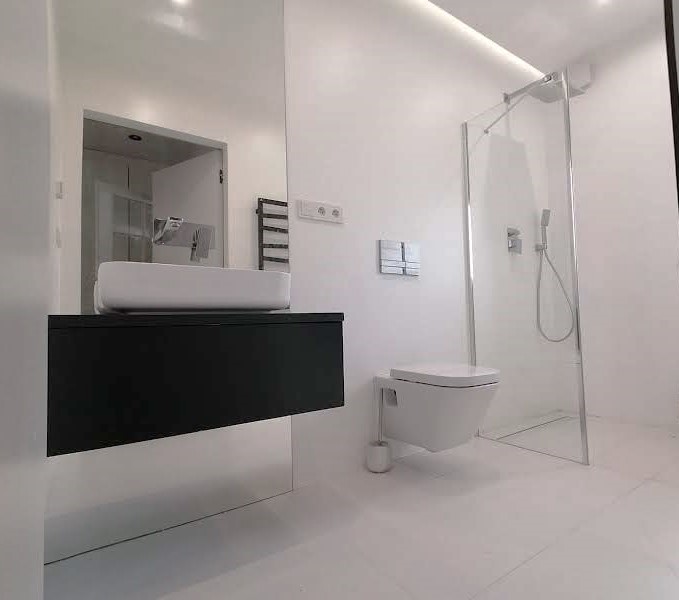
For many homeowners, a shower becomes the stronger option because it is simpler to access and easier to use over time. Step-in ease, less climbing in and out, easier cleaning and better long-term practicality can all shift the balance in favour of a shower.
This is especially relevant if the bathroom is meant to work well not just now, but several years from now. A well-designed shower often supports comfort and confidence more effectively than a bath once accessibility becomes part of the equation.
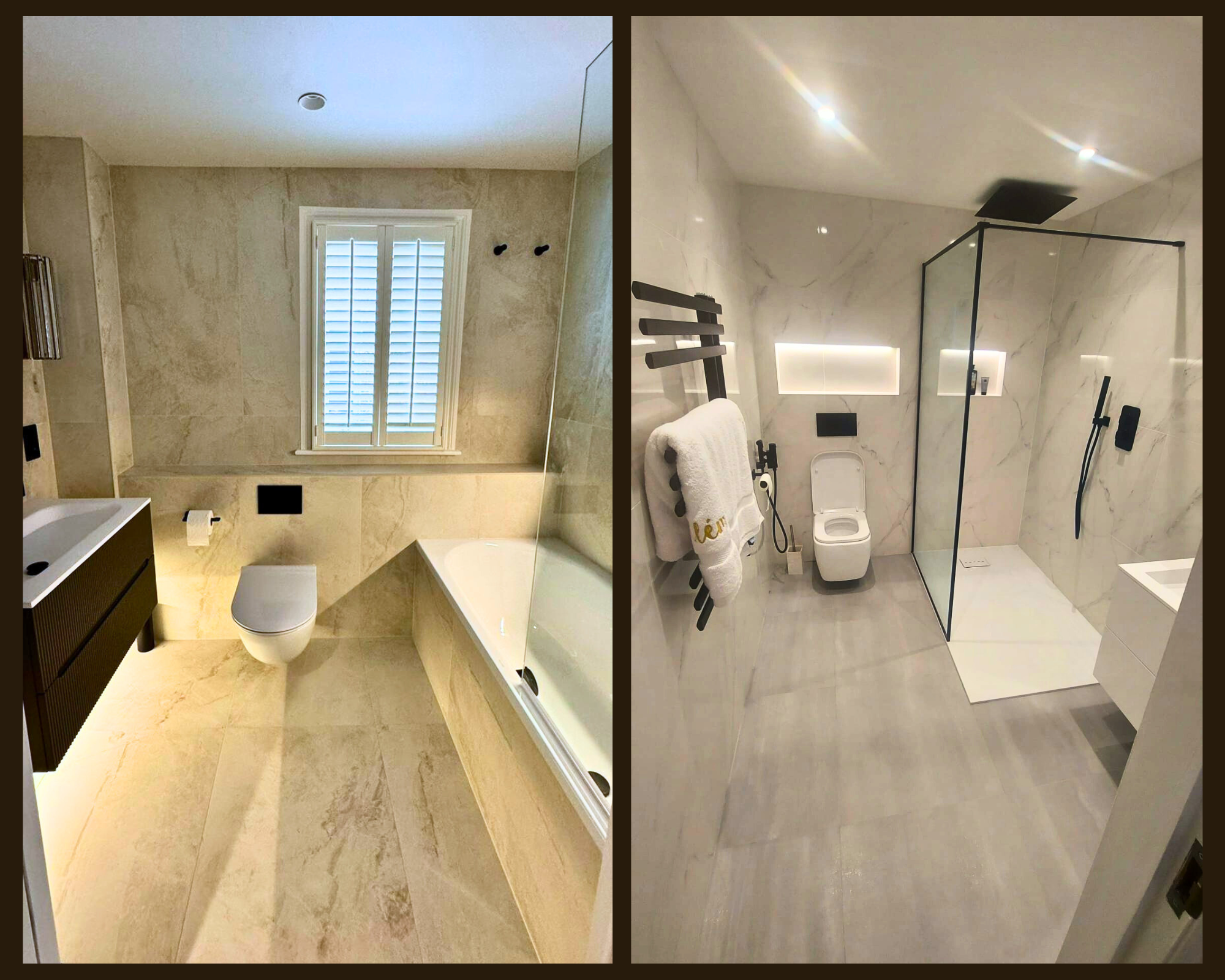
5. Ask whether the room gets better, not just different
The best way to judge bath vs shower is not to ask which is more popular. Ask whether the room actually gets better with one option over the other. Does circulation improve? Does storage become easier to plan? Does the bathroom feel calmer and less compromised? Does the room support your routine more effectively?
If replacing the bath with a shower creates a much better bathroom overall, that is often the strongest sign. If the bath still fits naturally and supports the way the room is used, it may remain the right choice.
If you are leaning toward removing the bath, the best next read is Should You Replace a Bath With a Shower?.
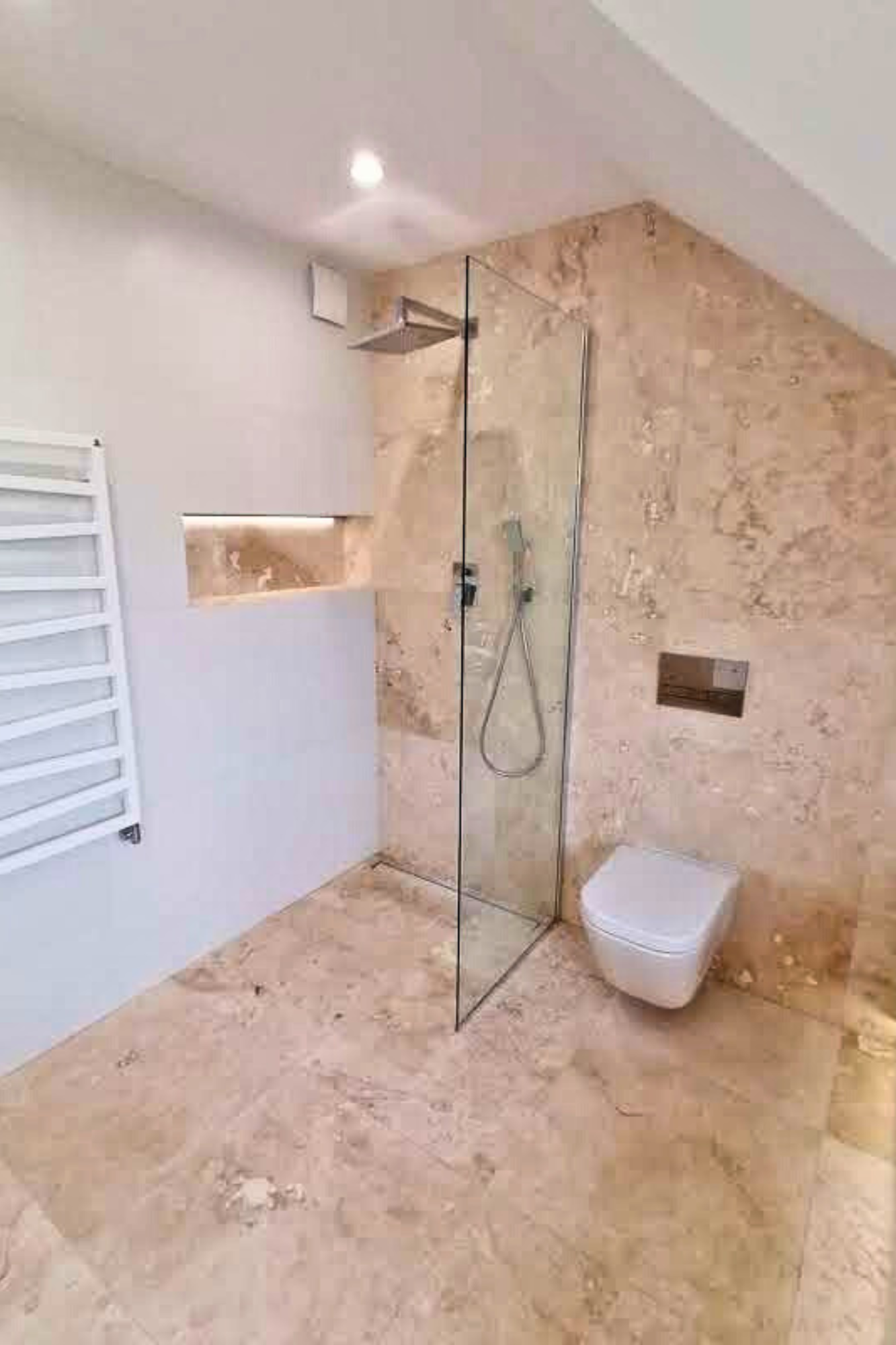
6. Showers often support a more modern planning direction
In many bathrooms, a shower aligns more naturally with a clean, modern layout. It can make the room feel more open, reduce the visual dominance of one large fixture and allow other features such as better vanity placement, storage or cleaner tile strategy to work more effectively.
This is one reason showers are often chosen in premium smaller bathrooms. They make it easier to create a room that feels more spacious and design-led without forcing a feature that the layout cannot comfortably support.
7. Baths can still suit larger or more flexible bathroom layouts
In a room with enough size, keeping a bath may involve fewer compromises. A larger bathroom can often support a bath properly while still leaving enough space for comfortable movement, storage and strong finish choices. In those cases, the bath does not feel like a burden on the room.
The difficulty usually comes in more limited layouts where the bath becomes the dominant feature and everything else is forced to work around it.
8. The technical implications matter too
Bath vs shower is not only a style decision. It can also affect plumbing, waterproofing, floor build-up, shower screens, drainage and lighting placement. That is especially true if changing from one setup to the other also changes how the room is arranged.
Some changes are well worth making. Others add cost without improving the room enough to justify them. That is why the decision works best when it is tied to the whole bathroom plan rather than judged as one isolated switch.
For the pre-build side, continue with What to Plan Before a Bathroom Renovation Starts and When Are Plumbing Changes Worth It?.
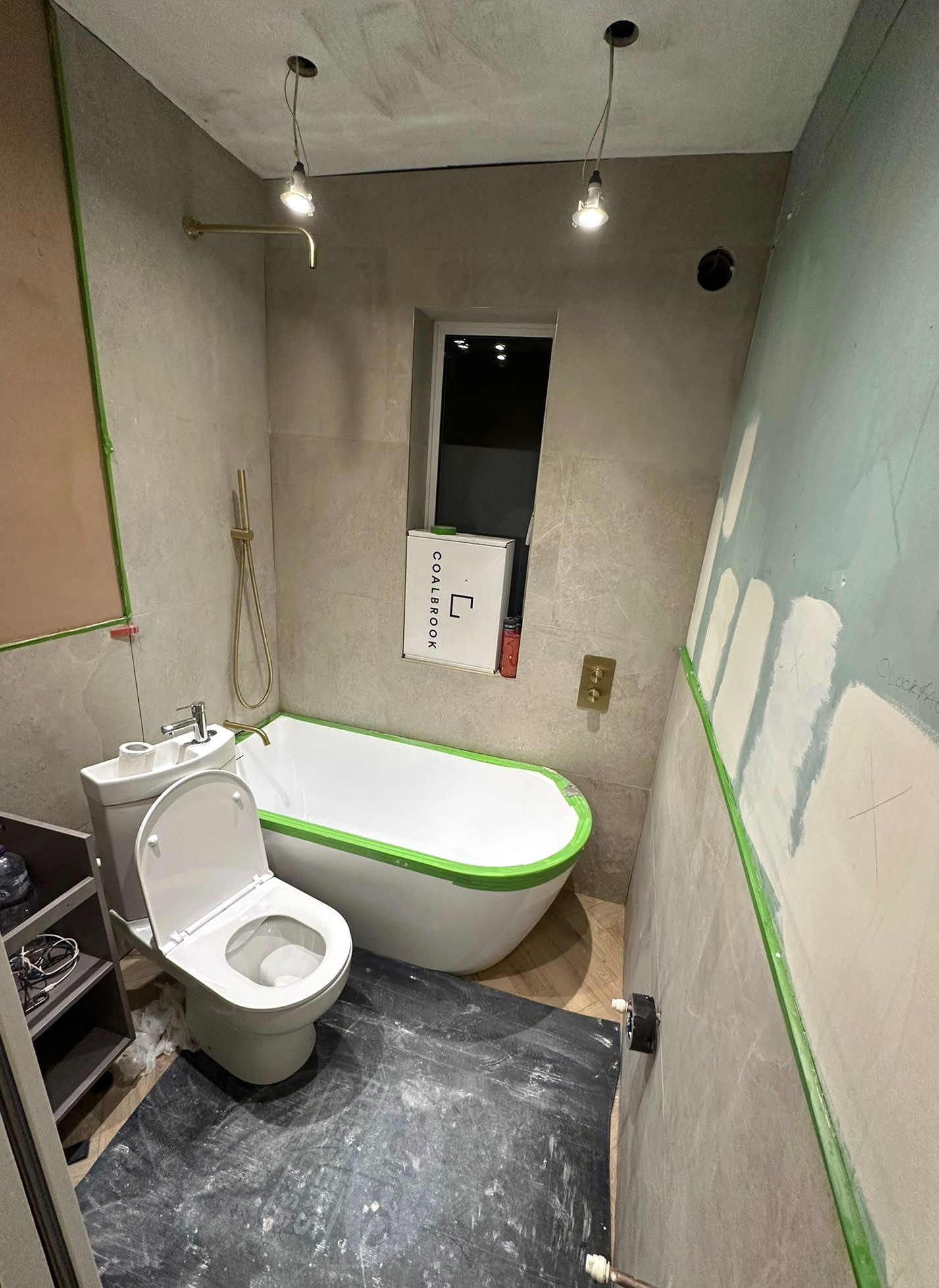
Bath vs shower at a glance
- Bath is usually best for: comfort, soaking, family flexibility and larger bathroom layouts.
- Shower is usually best for: practical daily use, smaller bathrooms, cleaner circulation and easier access.
- Bath can be weaker when: it is rarely used but still dominates the room.
- Shower can be weaker when: the household genuinely relies on a bath and the room does not improve much without it.
Common mistakes when deciding between a bath and a shower
- Keeping a bath purely out of habit without checking if the room still benefits from it.
- Replacing a bath with a shower without improving the overall layout properly.
- Ignoring how accessibility or long-term use may change the right choice.
- Judging the decision only by trend instead of daily routine.
- Forgetting that technical and plumbing implications may affect cost and feasibility.
Need help deciding what suits your bathroom best?
Answer a few quick questions about your space, routine and priorities to get a free bathroom planning report with more tailored guidance.
Get Your Free Bathroom Planning ReportRelated planning guides
Smarter bathroom planning, design inspiration and fitting guidance for London homeowners.
© Copyright 2026 Bathroom Converter. All rights reserved