2 March slots left • April diary now open
Bathroom Storage Ideas That Improve Everyday Use
Bathroom storage works best when daily-use items sit near the task they support, while towels, spare products and cleaning supplies have separate homes. Start with an inventory, then choose vanity drawers, mirror cabinets, shelves or tall storage that fit both the contents and the room.
Plan the contents before choosing the cabinet
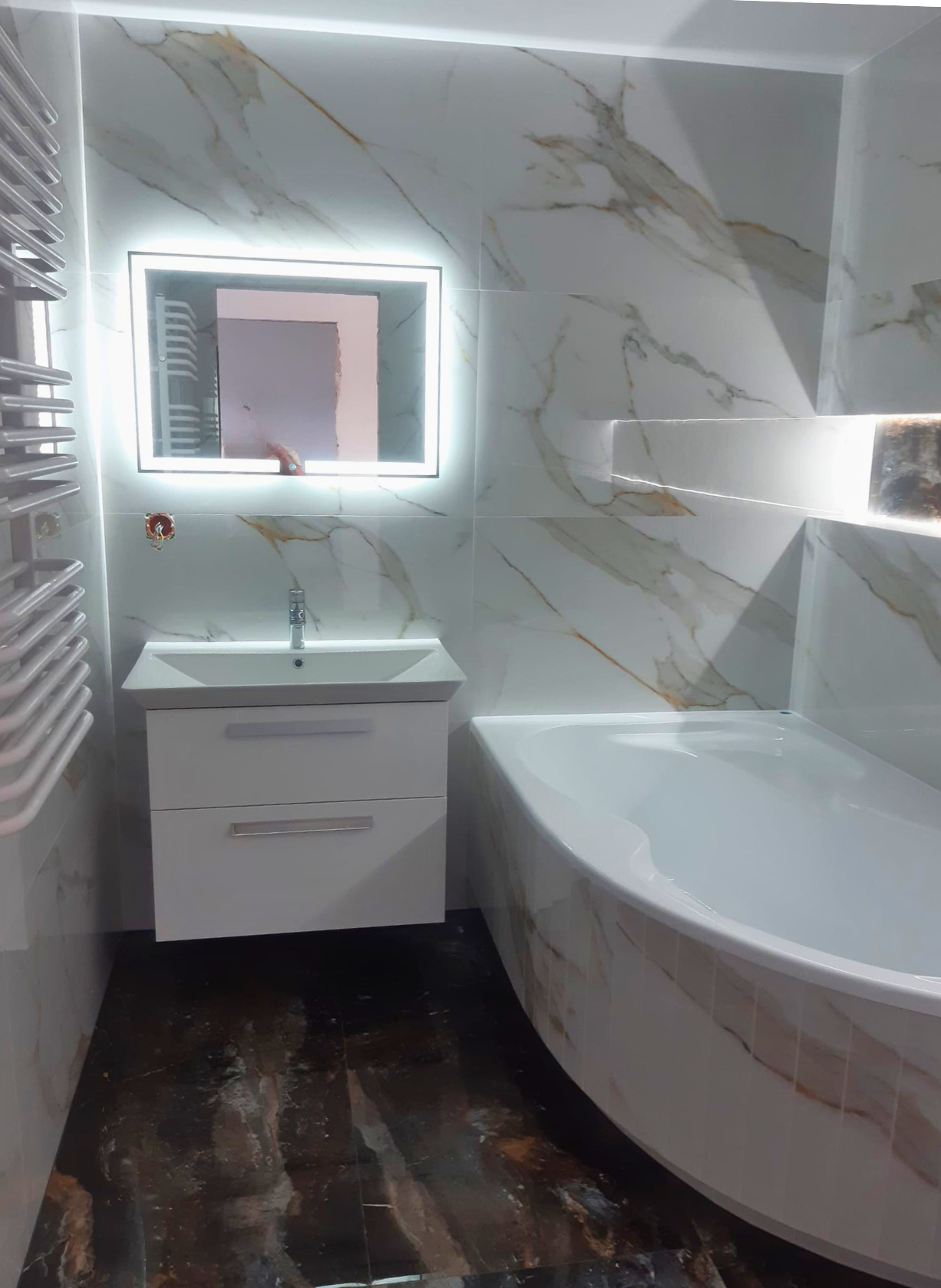
Empty the bathroom storage and sort what you actually use. Separate the products needed every morning from spare bottles and items used only occasionally. Measure the tallest bottle, the folded towel stack and any organisers you intend to keep; cabinet outside dimensions do not tell you its usable capacity.
Keep a small daily-use set close to the basin or shower, and decide what can live elsewhere. This prevents a new vanity from filling immediately with stock that does not need to be in the bathroom.
What needs to live where?
These are starting points, not a rule that every bathroom needs every type of storage. Adjust for who uses the room and what they can comfortably reach.
| Item type | Useful storage zone | Why and what to check |
|---|---|---|
| Daily toiletries | Vanity drawer or mirror cabinet near the basin | Quick access without covering the basin edge. Check bottle height, shelf adjustment and door movement. |
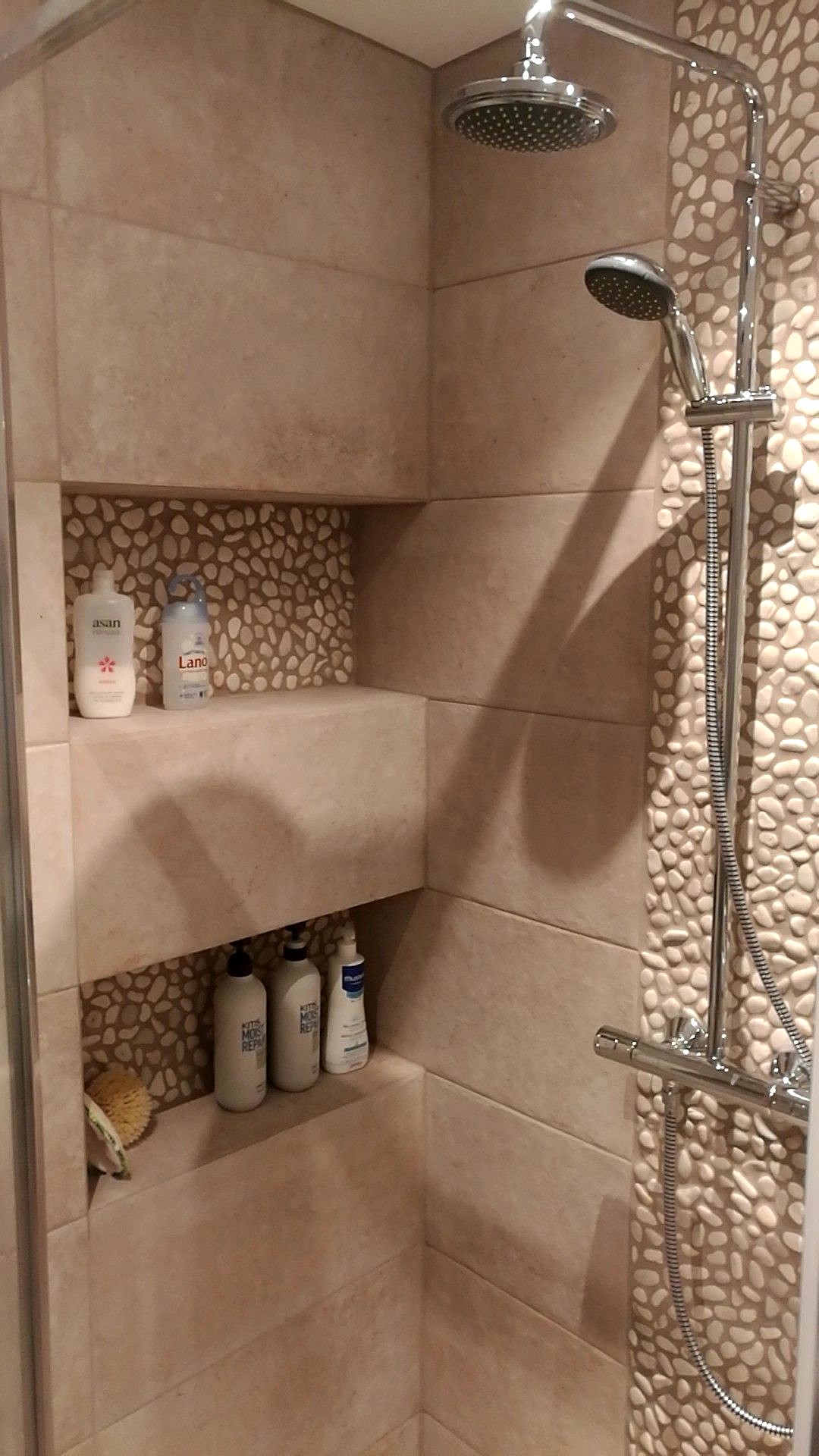
| Shower products | Shelf or niche reachable inside the shower | Keep the bottles used in that shower together; check reach without leaning over controls. |
| Clean towels | Dry closed storage or a suitable tall cabinet | Separate spare dry towels from the used towel hanging to dry; check shelf depth and room ventilation. |
| Backup supplies | Less-used cupboard or storage outside the bathroom | Bulk stock need not occupy the easiest-to-reach space. Keep enough locally for the routine. |
| Cleaning products | Secure storage suitable for the products | Keep away from toiletries and children; retain labelled containers and follow storage instructions. |
| Grooming items | Dry organised storage, with electrical use considered separately | A place to store an item is not permission to use or charge it there. Follow appliance instructions and confirm any bathroom electrical provision with an electrician. |
1. Start with what needs storing in real life
Before choosing storage products, think honestly about what the bathroom actually needs to hold. Everyday toiletries, cleaning products, backup supplies, towels, grooming items and shower products all need different kinds of storage. If this is not thought through early, it becomes very easy to buy storage that looks neat but does not really solve anything.
The strongest storage planning begins with routine, not just appearance. Ask what stays visible every day, what should stay hidden and which items need quick access rather than deep storage.
2. Vanity storage often does the most work
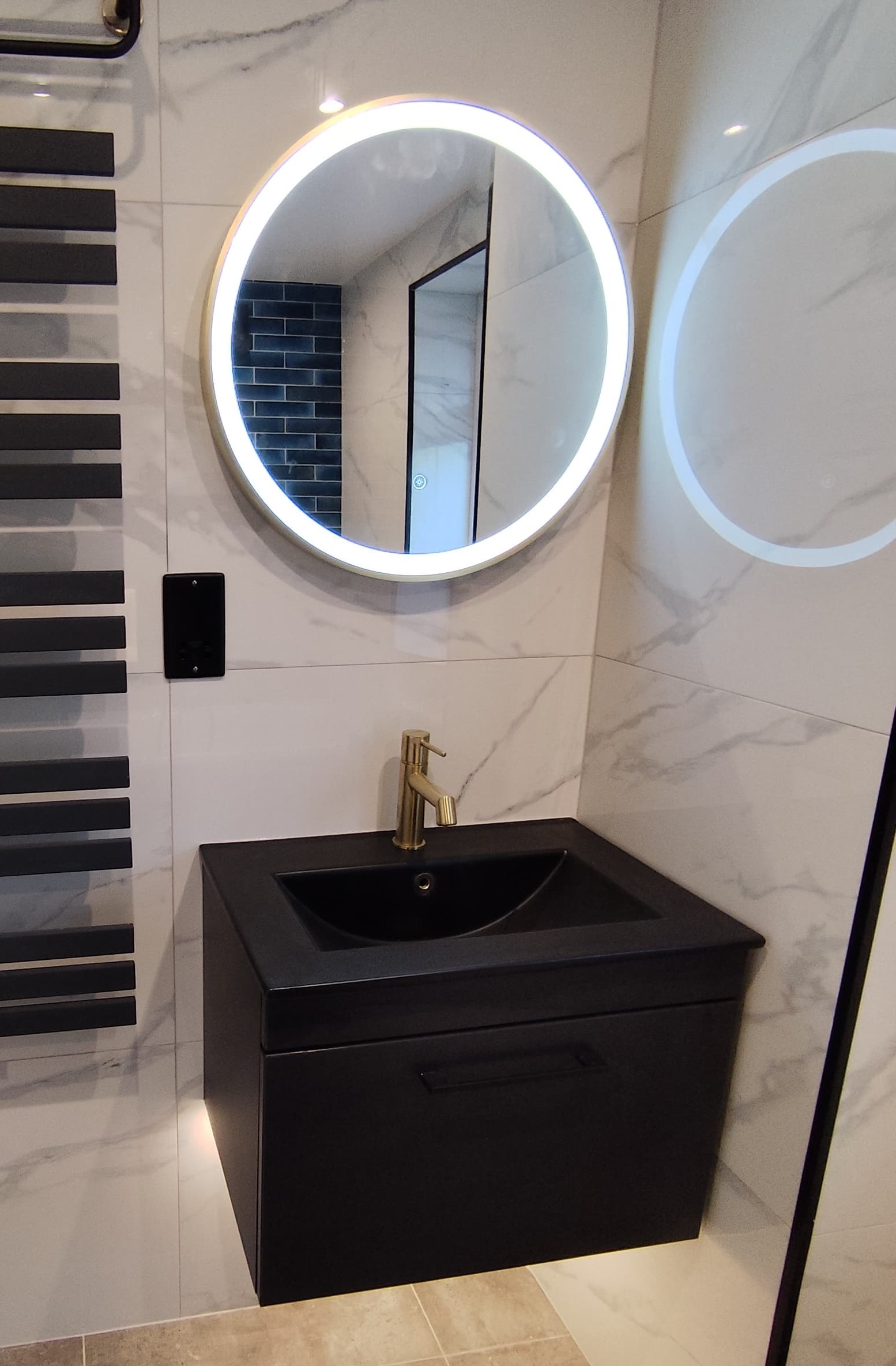
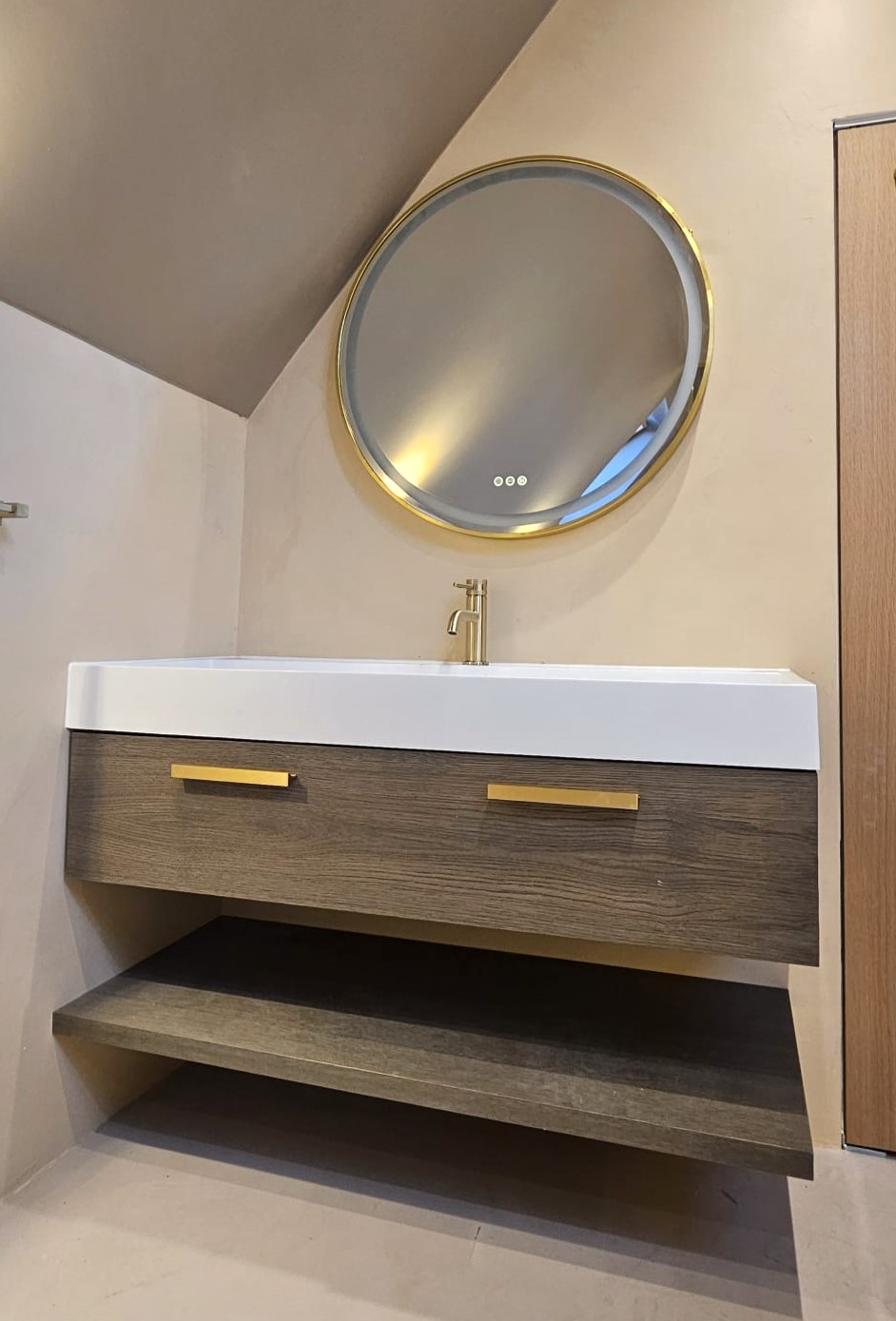
In many bathrooms, the vanity is the most important storage element in the room. A well-designed vanity can hide everyday products, reduce clutter around the basin and make the bathroom feel cleaner immediately. This is one reason vanity choice matters so much in both practical and visual terms.
Check the usable drawer space around the basin waste and pipework, not just the vanity width. A shallow top drawer may suit small daily items while deeper storage holds taller bottles. Open a drawer and cabinet door on the proposed plan: access should not trap the user against the WC or door.
3. Closed storage usually creates more visual calm
Open storage can work, but closed storage often makes the bathroom feel calmer and more premium because it reduces what the eye has to process. In smaller bathrooms especially, too many visible products and stacked surfaces can quickly make the room feel busier than it really is.
This does not mean everything must be hidden. It means the room should be selective about what remains visible. Closed cabinetry, drawers and integrated mirror storage often help the bathroom feel simpler and more intentional.
If your room is compact, this ties closely into Small Bathroom Storage Ideas and Small Bathroom Design Ideas.
4. Shower storage should be planned before tiling starts
Shower storage is often left too late, and that is where many bathrooms start to feel compromised. If the shower has nowhere sensible for products to go, clutter appears almost immediately. Bottles gather on the tray edge, on the floor or in awkward wire accessories that weaken the overall finish of the room.
Good shower storage works best when it is planned as part of the shower design itself. That may mean a niche, a built-in shelf or a simpler solution that still feels deliberate and well positioned.
The best supporting reads here are Shower Niche vs Shelf and Built-In Shower Shelves.
5. Mirror cabinets are often more useful than people expect
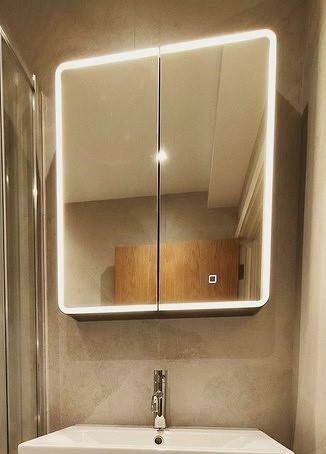
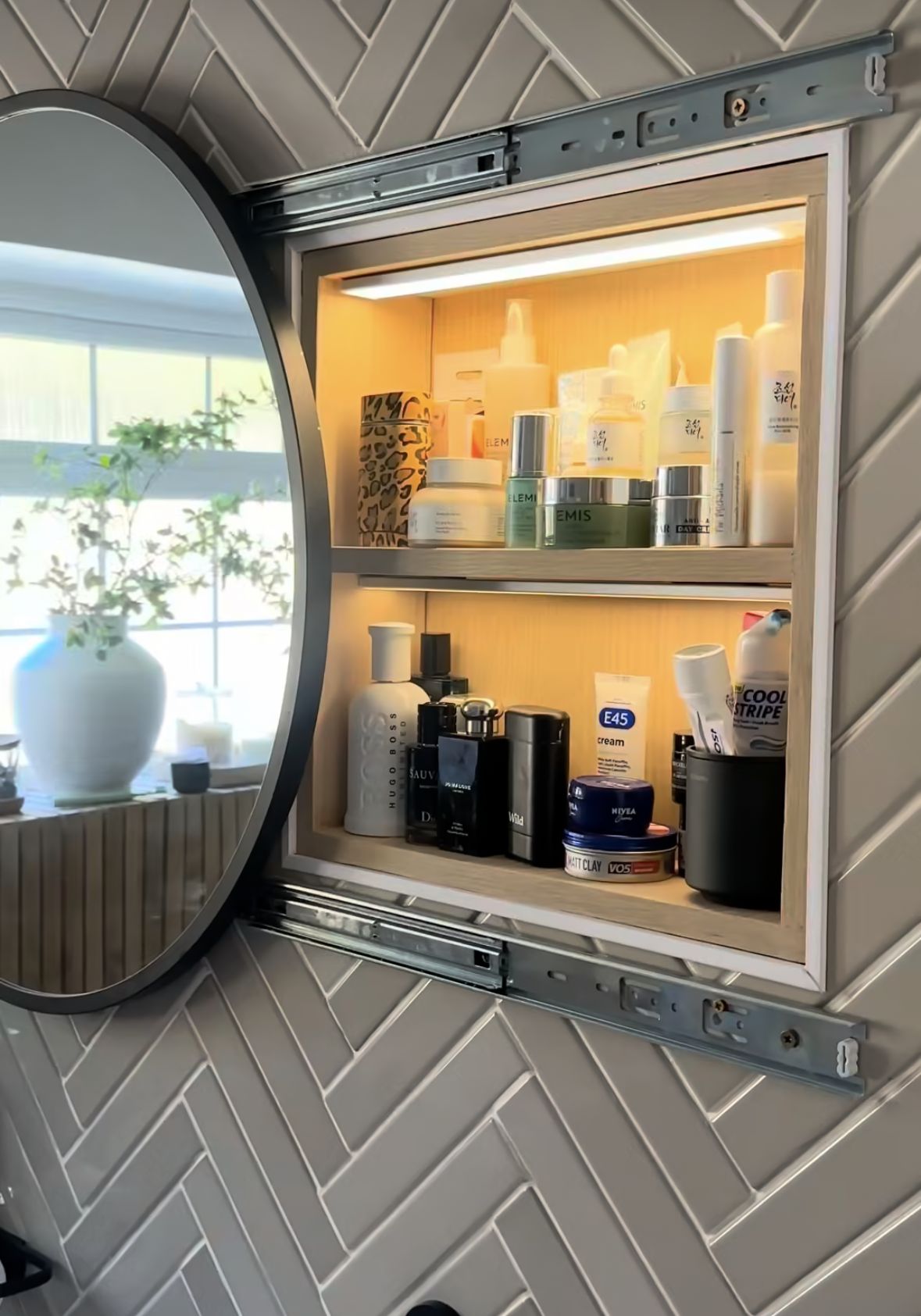
A good mirror cabinet can be one of the smartest storage choices in a bathroom because it combines two necessary functions without taking up extra visual space. In many rooms, that makes it a very efficient upgrade. It stores frequently used items while keeping the wall composition cleaner than additional shelving or units might.
Confirm how far the mirror cabinet projects and whether its doors clear adjacent lights and walls. Recessing it may need wall and service checks. If lighting or charging is integrated, have the product suitability and electrical arrangement confirmed before ordering.
For the mirror zone more broadly, continue with Mirror Lighting Ideas.
6. Storage should support the room layout, not interrupt it
Bathroom storage works best when it respects circulation and visual balance. Oversized cabinets, badly placed shelves or bulky freestanding units can make the room feel narrower and more awkward to use. The best storage ideas do not just increase capacity. They support the way the room moves and reads.
This is one reason wall-hung elements often work well in more compact rooms. They can make the room feel lighter and easier to read while still offering real usefulness.
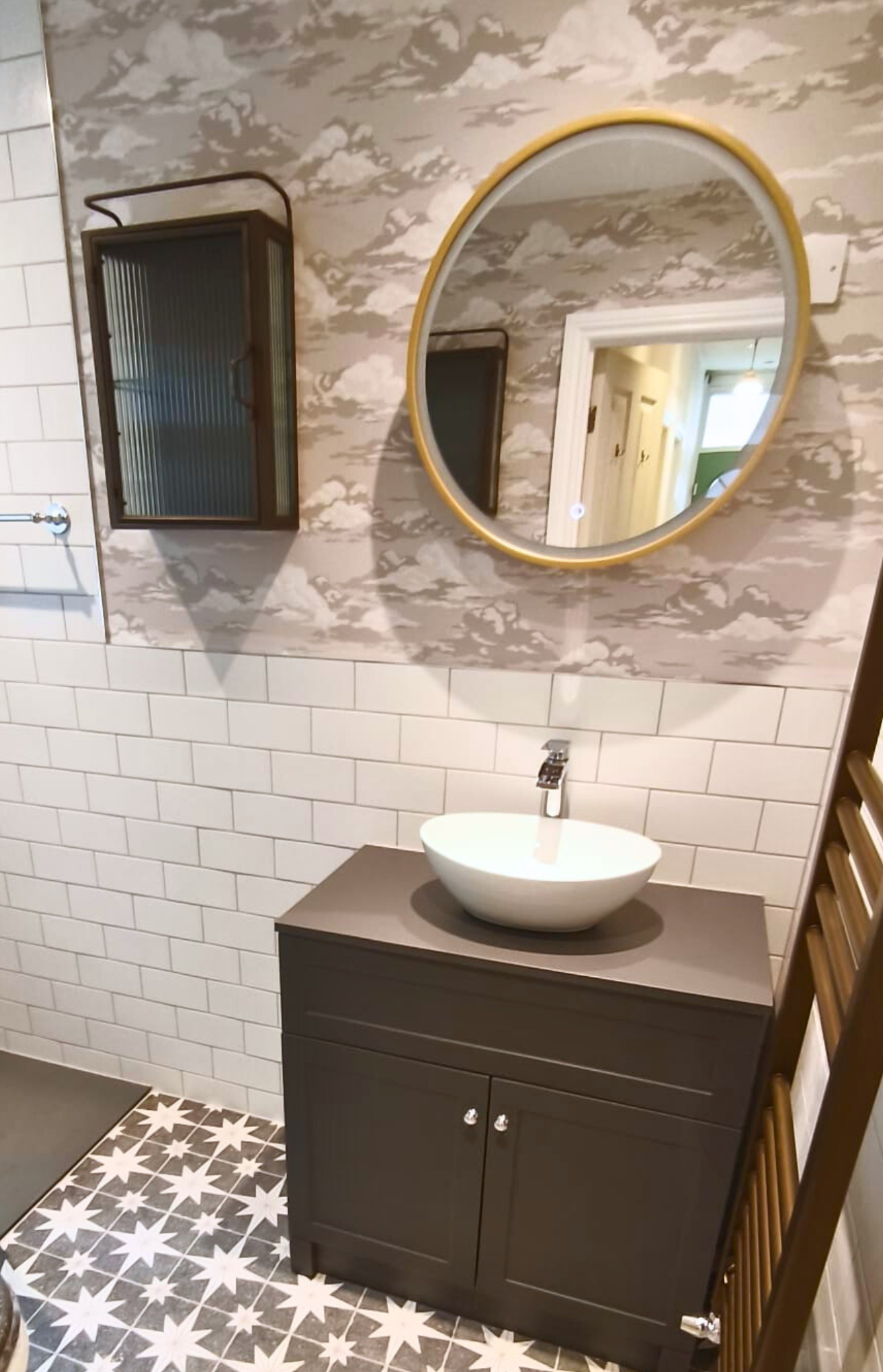
7. Small bathrooms need smarter storage, not more storage everywhere
In a compact bathroom, the answer is rarely to add more and more storage pieces. That often makes the room feel heavier and more cluttered. The stronger move is usually to reduce visible clutter through better-planned, more efficient storage in fewer places.
One integrated vanity, one good mirror cabinet and one properly planned shower storage solution can often outperform a room full of smaller add-ons that fight for attention.
If this is your situation, the next best read is Small Bathroom Storage Ideas That Do Not Add Visual Clutter.
8. Towels, backup products and cleaning items need different solutions
Not all storage serves the same purpose. Daily-use items often need easy access near the mirror or basin. Towels may need quick grab space or better hidden storage depending on the bathroom size. Backup products and cleaning supplies usually work better when they are stored more discreetly so they do not interfere with the room visually.
Try allocating one drawer or shelf to each group before buying additional units. Keep only the products regularly used here in the wet zone, place spare towels where they stay dry, and give cleaning products a separate secure home. A tall unit earns its place when it holds a genuine inventory rather than creating unused high shelves.
9. The best storage ideas make the bathroom feel quieter
This is often the clearest test. Good storage should reduce friction, reduce clutter and make the room easier to maintain. If a storage decision adds visual weight, creates awkward access or makes the room feel more complicated, it is probably the wrong solution, even if it looked good in theory.
The best bathroom storage ideas are often the ones you barely notice once the room is finished. They simply make the bathroom work better.
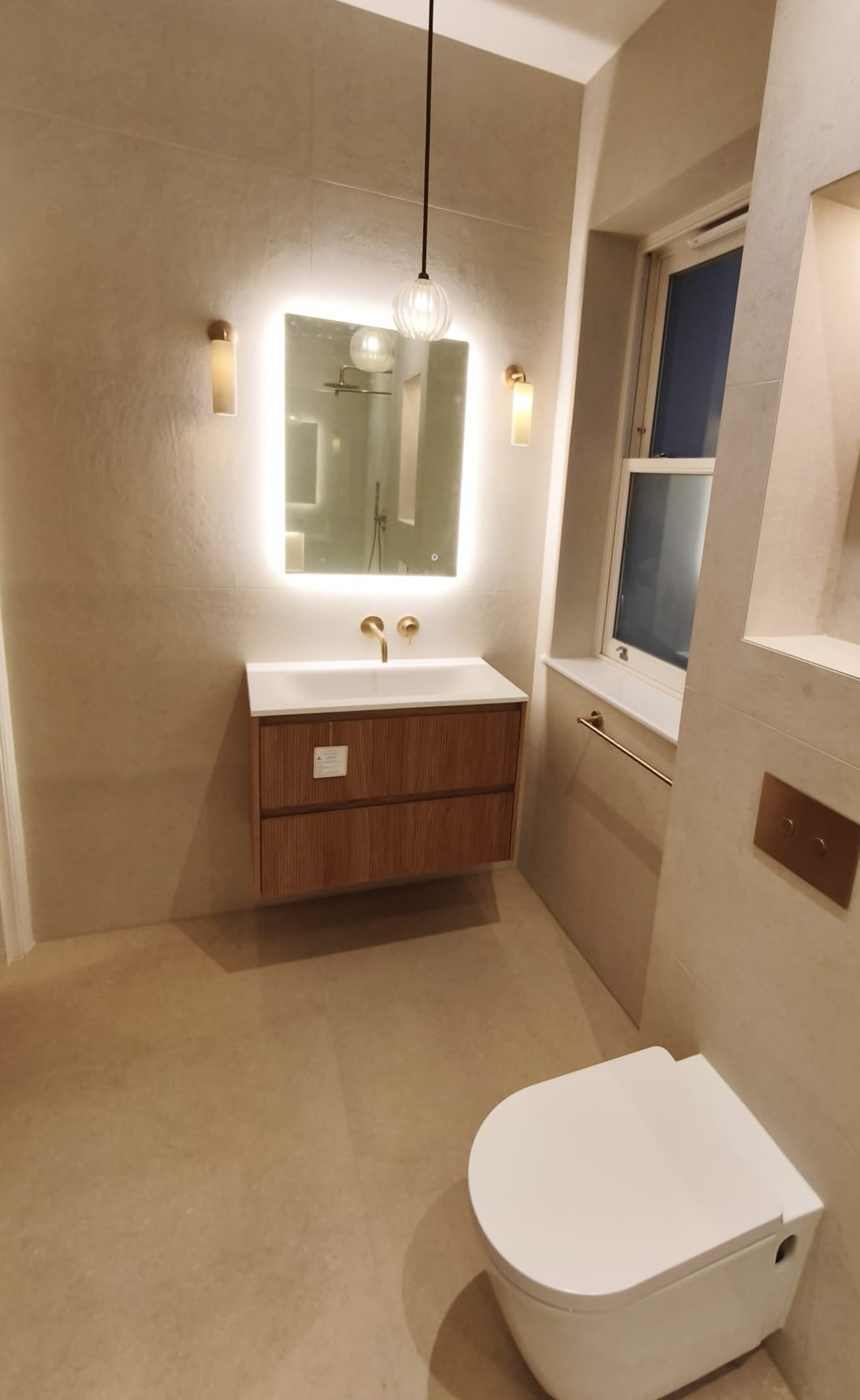
Bathroom storage ideas that usually work well
- Vanity drawers: useful for everyday bathroom products and keeping surfaces cleaner.
- Mirror cabinets: excellent for combining mirror function with hidden storage.
- Integrated shower niches: often the cleanest way to handle shower products when planned early.
- Built-in shelving: useful when integrated into the room rather than obviously added later.
- Wall-hung storage: often helps the room feel lighter, especially in smaller bathrooms.
Common bathroom storage mistakes
- Adding storage too late, after the layout and tiling decisions are already fixed.
- Using open shelves everywhere and making the room feel busy.
- Choosing units that are too bulky for the bathroom size.
- Ignoring shower storage until clutter becomes unavoidable.
- Planning storage by product type poorly, so everything ends up mixed together.
Need help planning a bathroom that works better day to day?
Plan storage alongside your basin, shower and door positions before ordering units. Answer a few questions about your room and priorities to get a free Bathroom Converter planning report and organise the choices you still need to confirm.
Get Your Free Bathroom Planning ReportRelated planning guides
Online bathroom planning for UK homeowners.
Planning guidance only. Specialist confirmation required before design, quoting or installation.
© Copyright 2026 Bathroom Converter. All rights reserved